The Helldiver – aka Son of a Bitch, Second Class
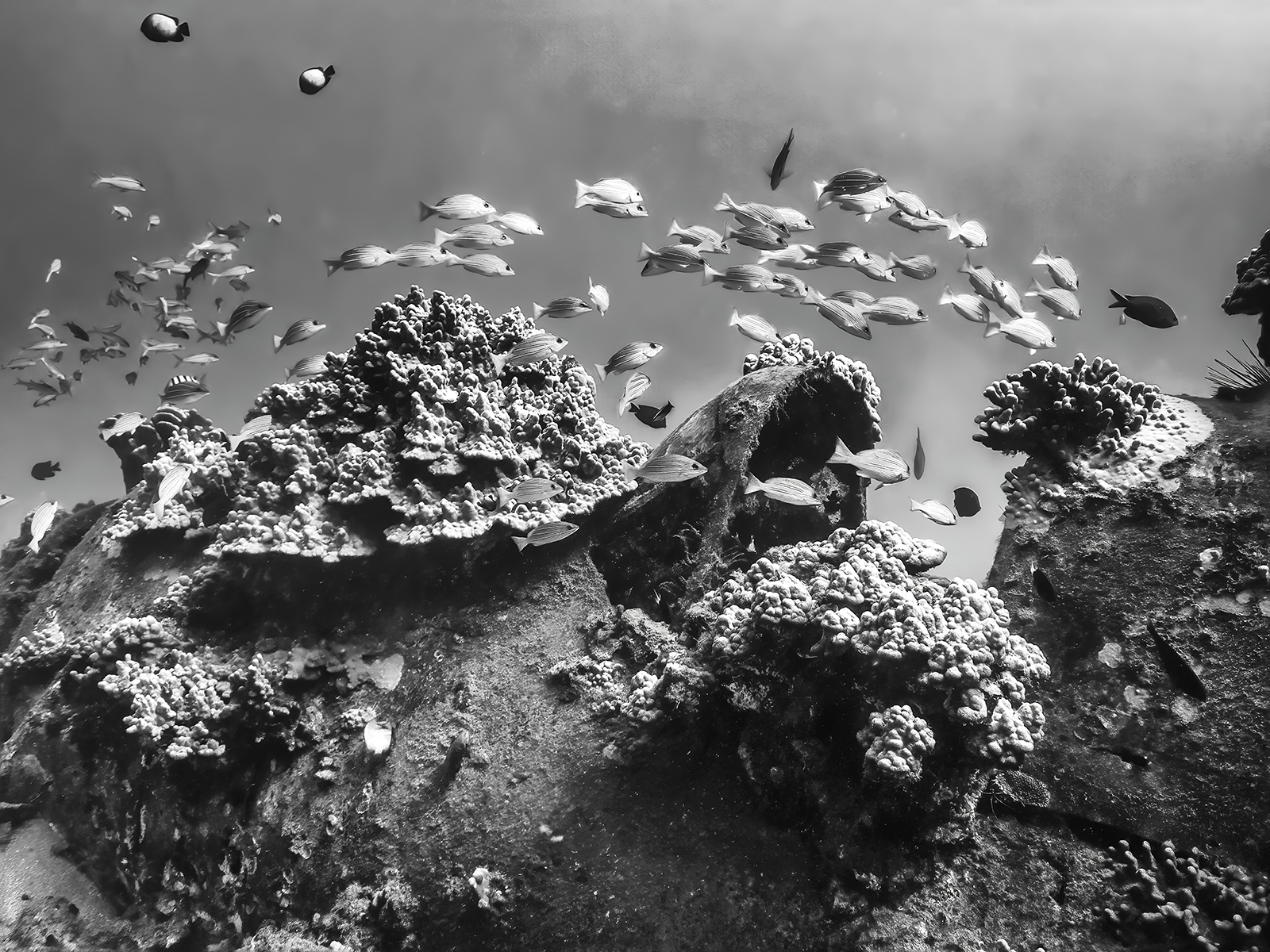
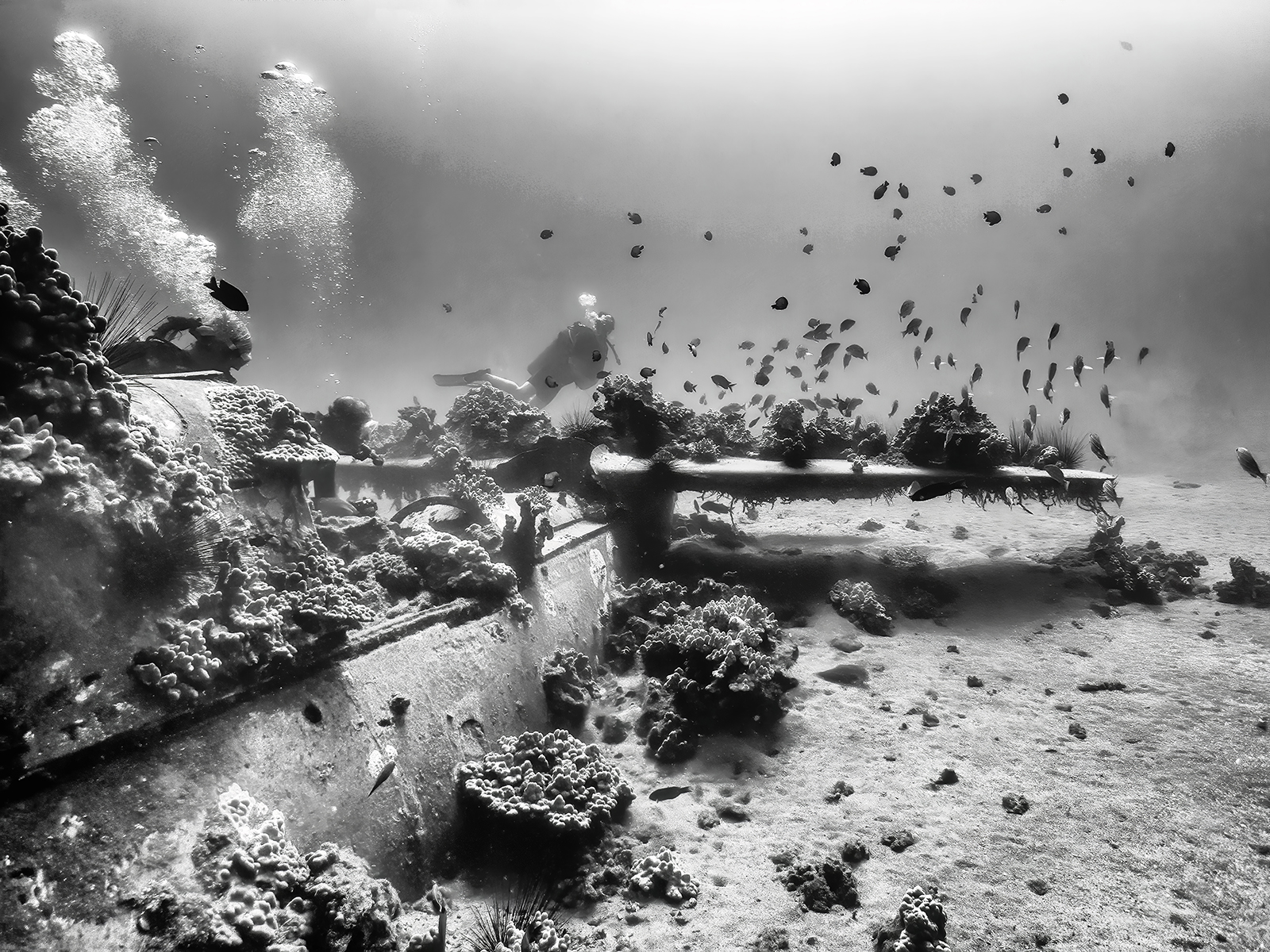
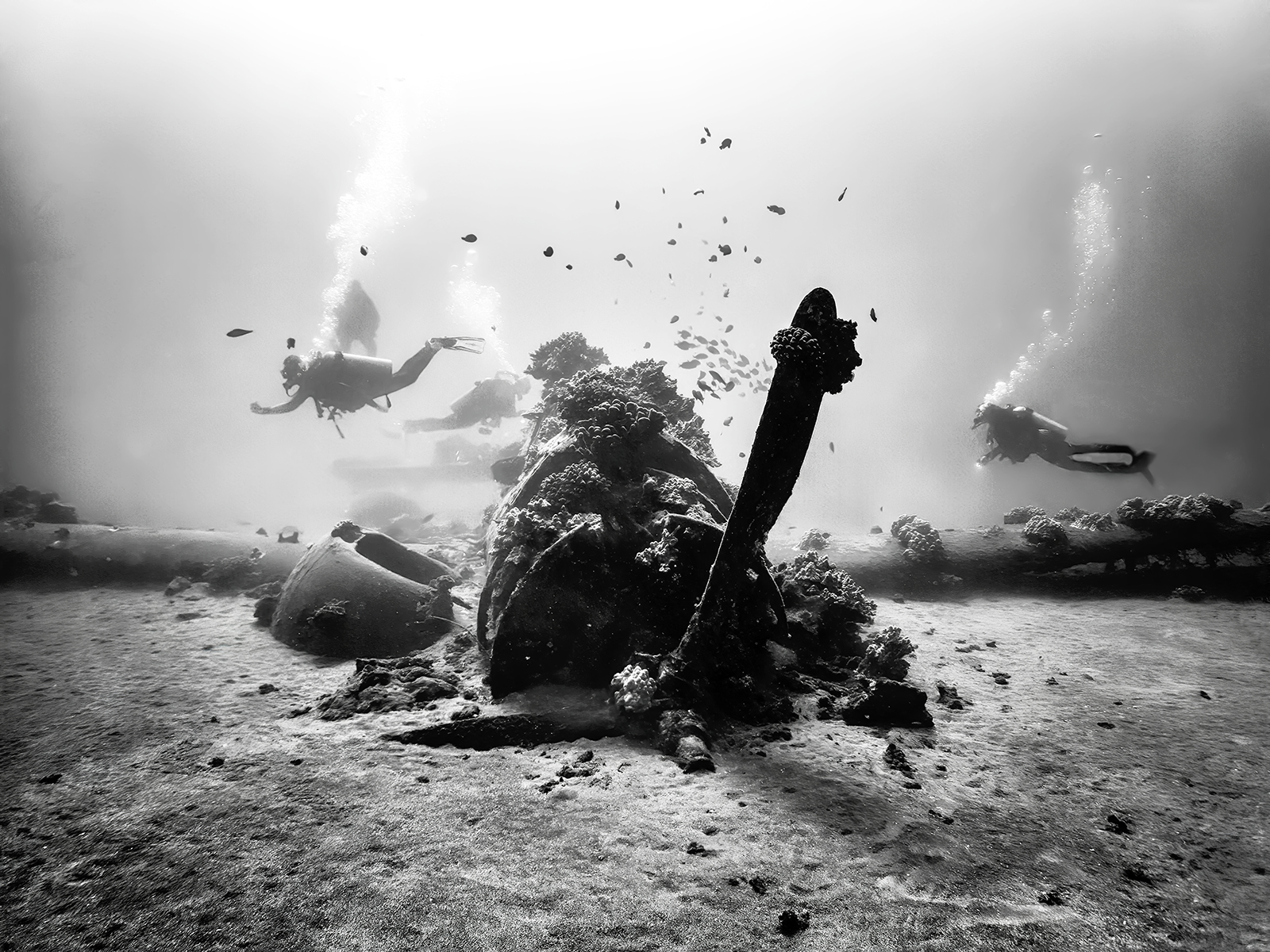
This mostly intact plane has been resting on the ocean floor since August 31, 1944. The aircraft is a Curtiss SB2C-1 Helldiver. These planes were often referred to as “Big-Tailed Beast” or just “Beast” and “Son-of-a-Bitch 2nd Class”, thanks to the aircraft’s reputation for having difficult handling.
On August 31, 1944, pilot William E. Dill and radioman Kenneth W. Jobe, patrol bomber squadron VB-4 members, conducted dive-bombing practice offshore of Maui with their squadron. After completing their second steep dive on the target and while doing high-speed evasive maneuvers, the entire tail assembly twisted to port, jamming the rudder controls. Lieutenant Dill, no longer able to safely control the aircraft, made a voluntary forced landing in the water a few miles south of Puunene Naval Air Station. The pilot and radioman were rescued; obviously, the plane was never recovered. It is known that Lt. Dill had to ditch another Helldiver in the Gulf of Leyte in the Philippines just months after the one he ditched in Maui; that plane has not yet been rediscovered, but once again, both occupants survived.
Fast forward to January 2010, when the story goes that a couple of fishermen tipped off a local dive shop owner that while fishing, their prey kept disappearing “beneath the wings.” This led Brad Varney of B&B Scuba to rediscover the Helldiver and be among the first to see her again.
In 1944, Hawaii was the primary supply, training, and repair base for the region’s Allies. The islands served as the springboard from which the U.S. Navy projected itself across the Pacific. During the war years, hundreds of young Navy pilots and crew members arrived in Maui and underwent weeks of combat practice. Between 1924 and 1952, the Navy recorded 1,484 submerged aircraft losses in the general vicinity of the Hawaiian Islands. We’ve only located about 40 of these lost aircraft so far.
Thanks to Maui Dreams Dive Co for the incredible dive and the background! Also, thanks to Hans Von Tilburg and Elizabeth Weinberg, NOAA Office of Marine Sanctuaries, for additional information.