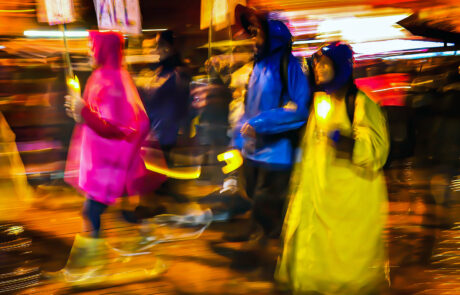
Aniwa Gathering of Indigenous Elders
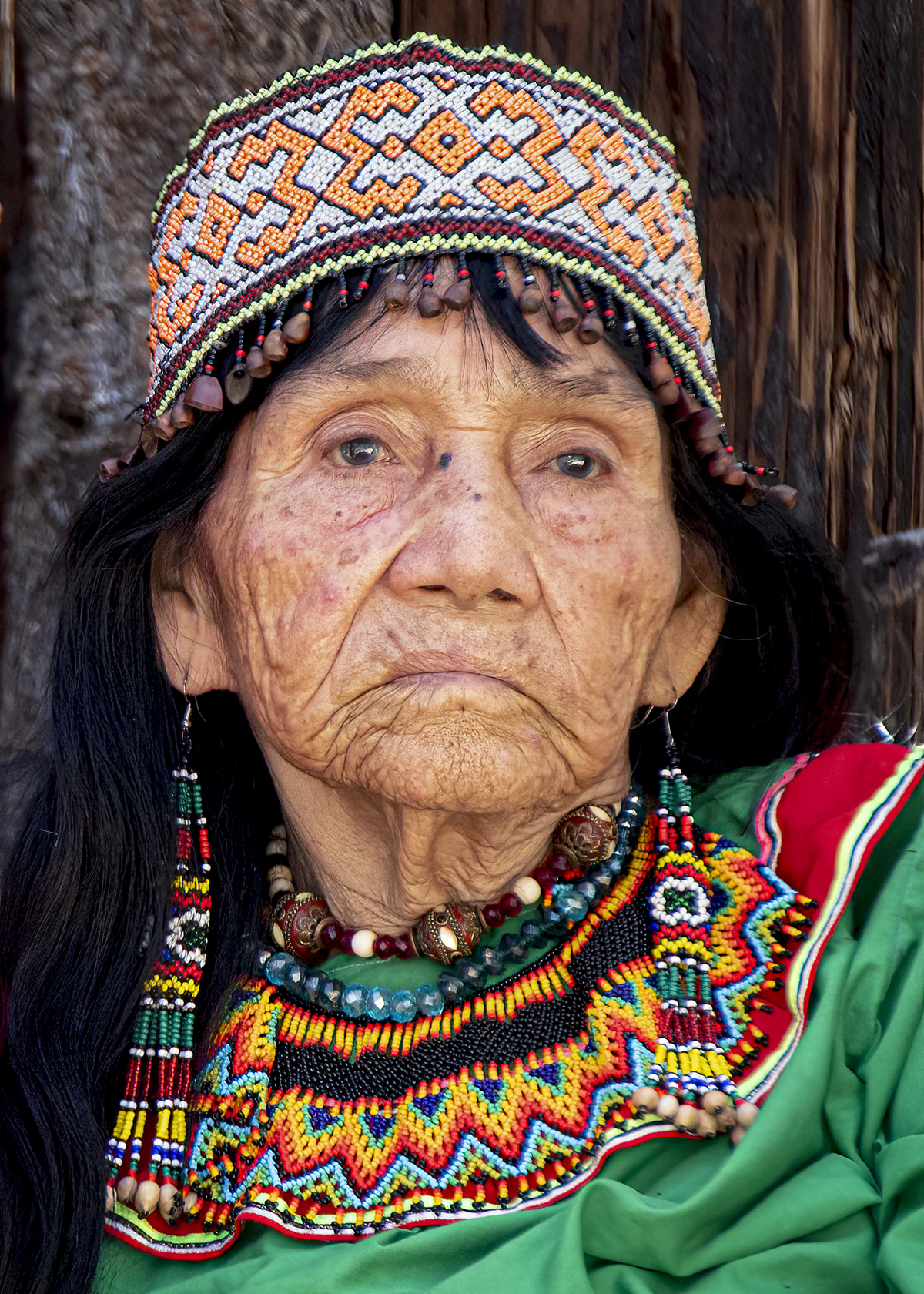
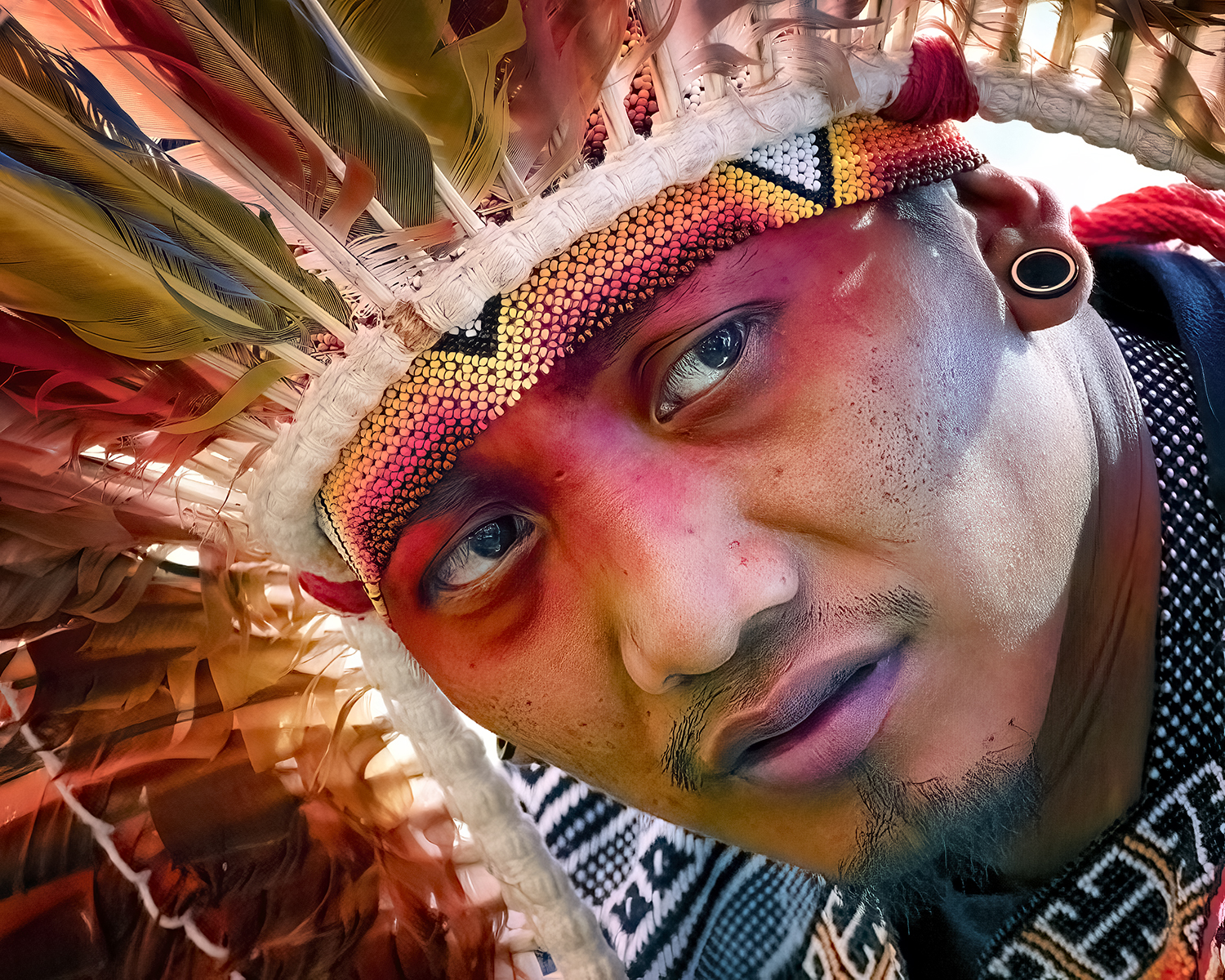
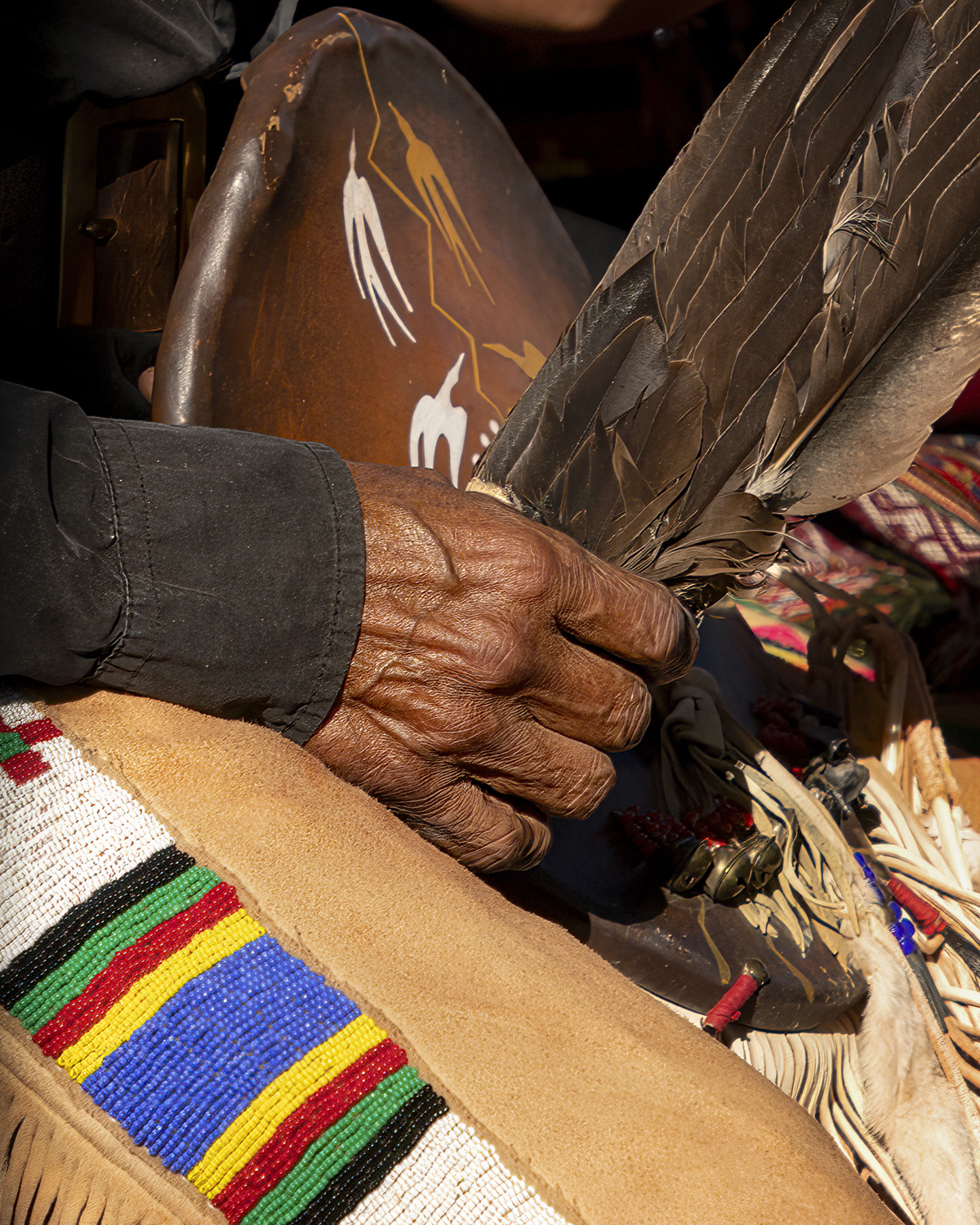
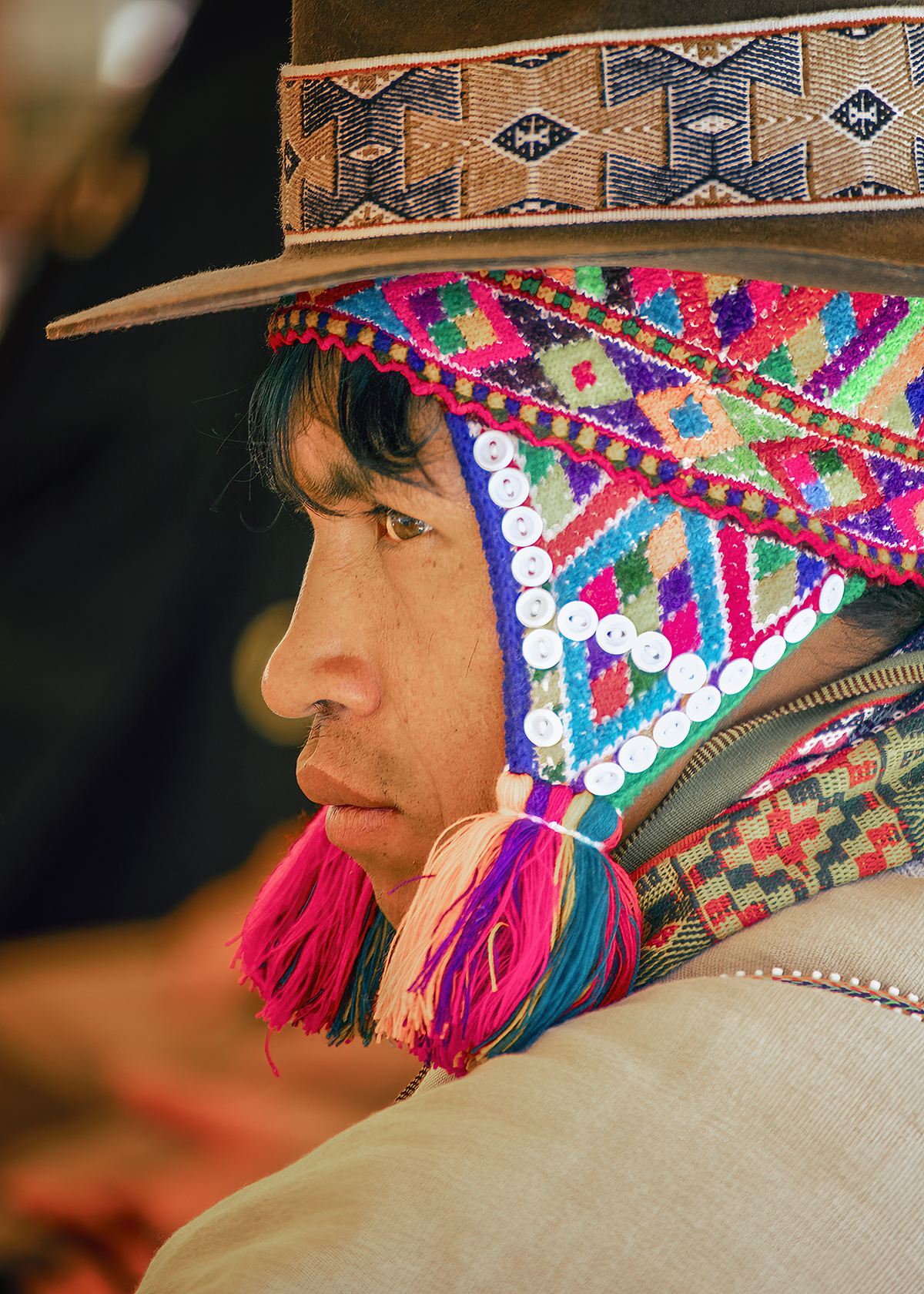
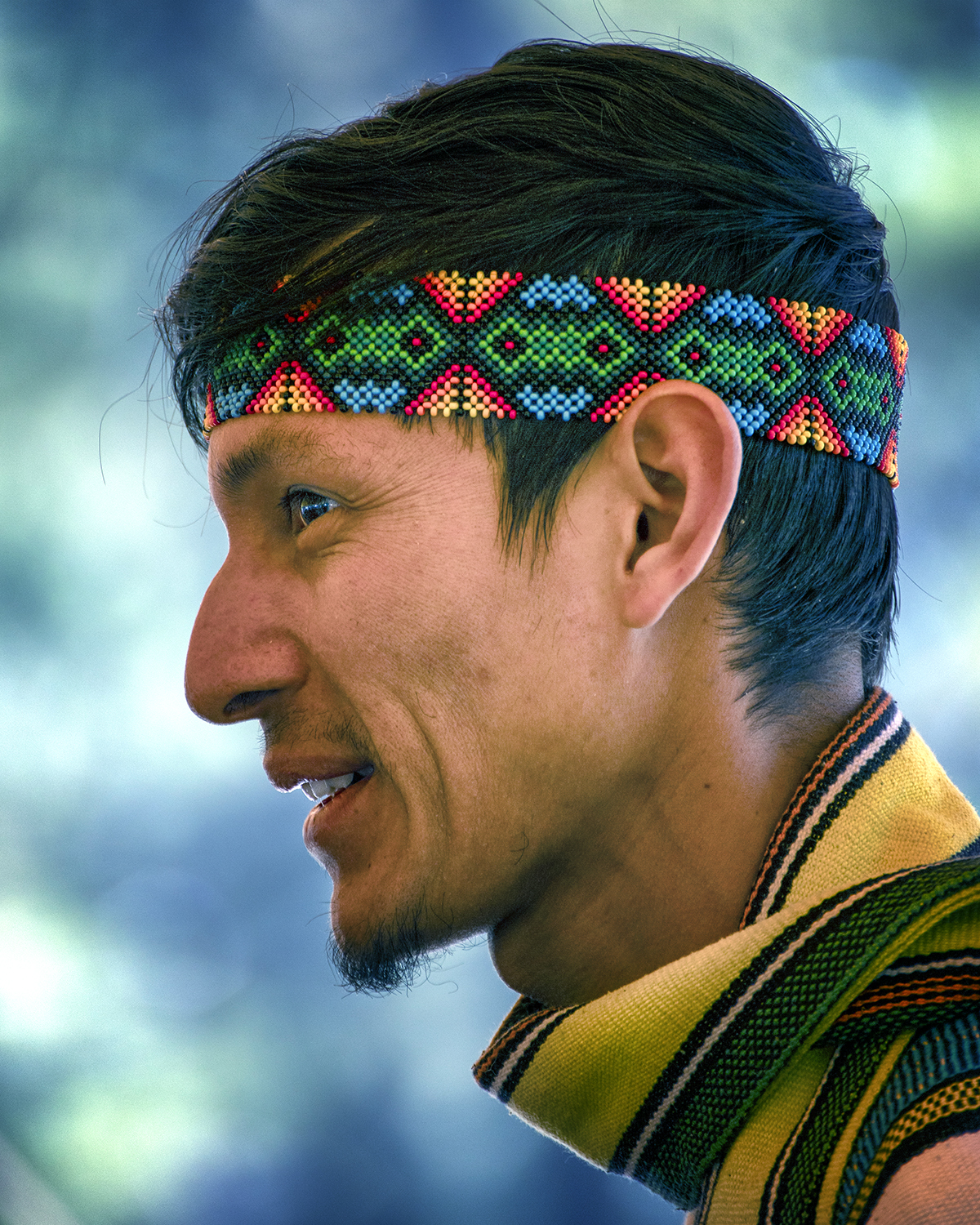
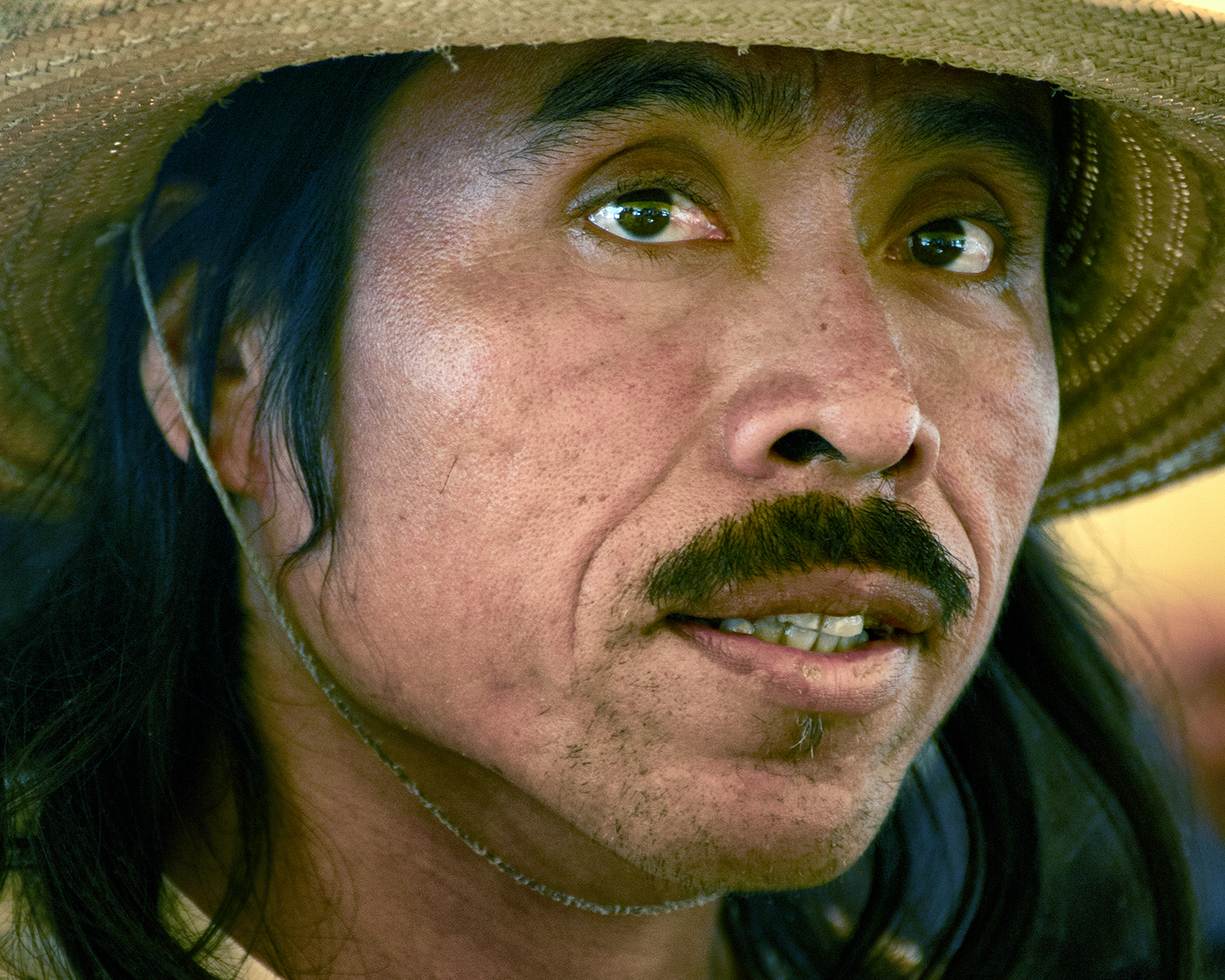
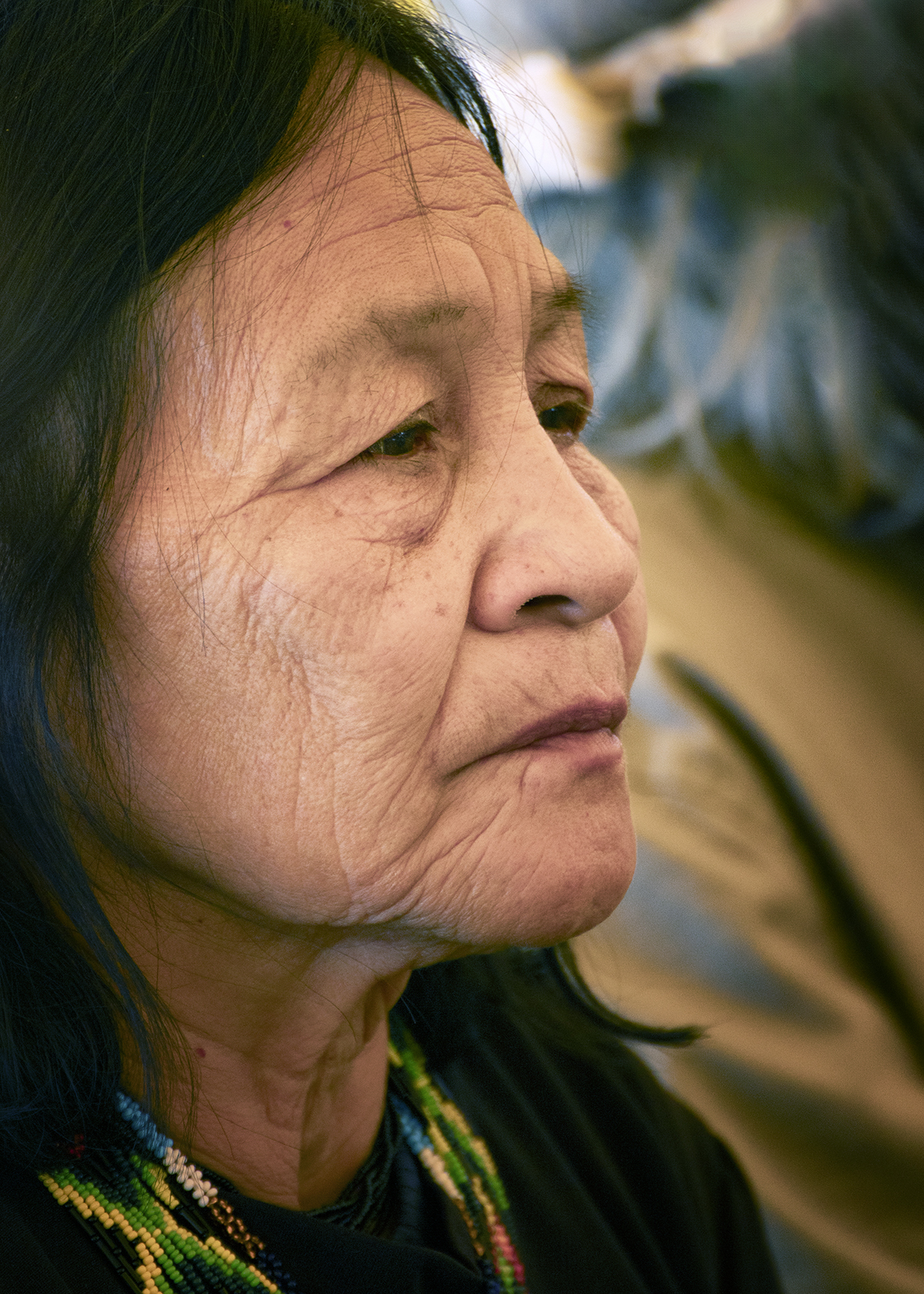
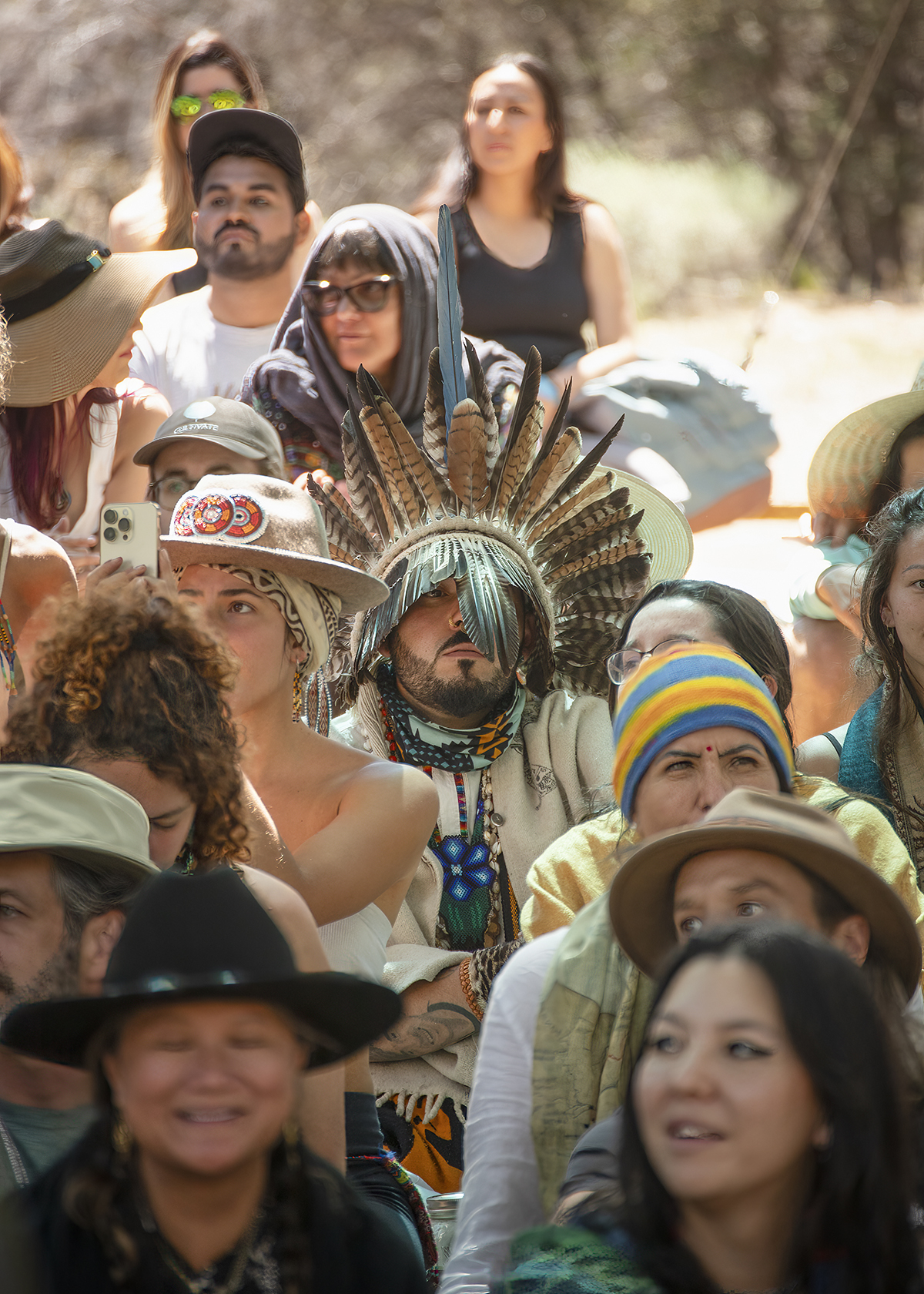
I recently had the honor of photographing the Aniwa Gathering, a multi-day event featuring 50 Indigenous elders from across the globe, in Big Bear, California. The experience was rich beyond anything I imagined.
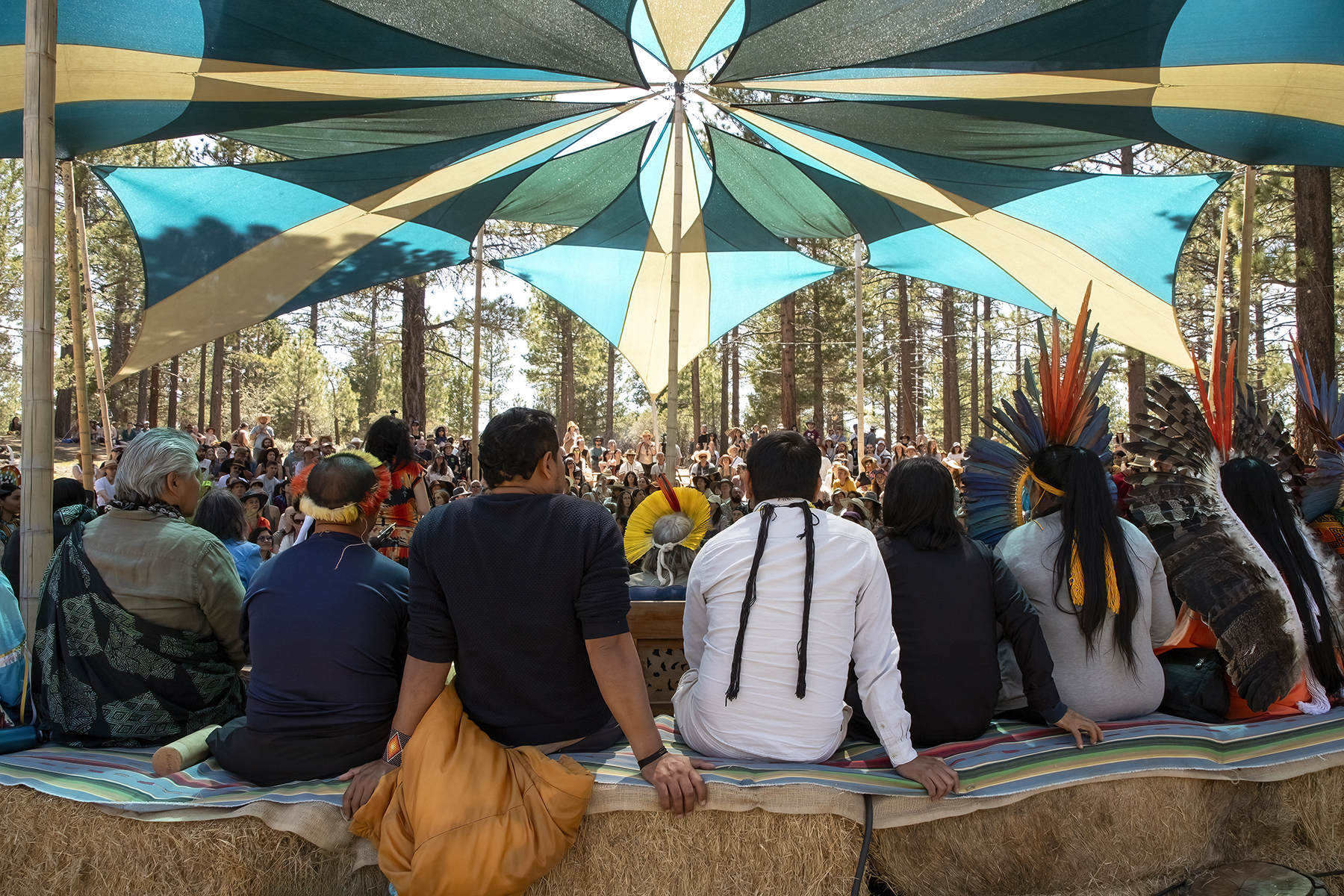
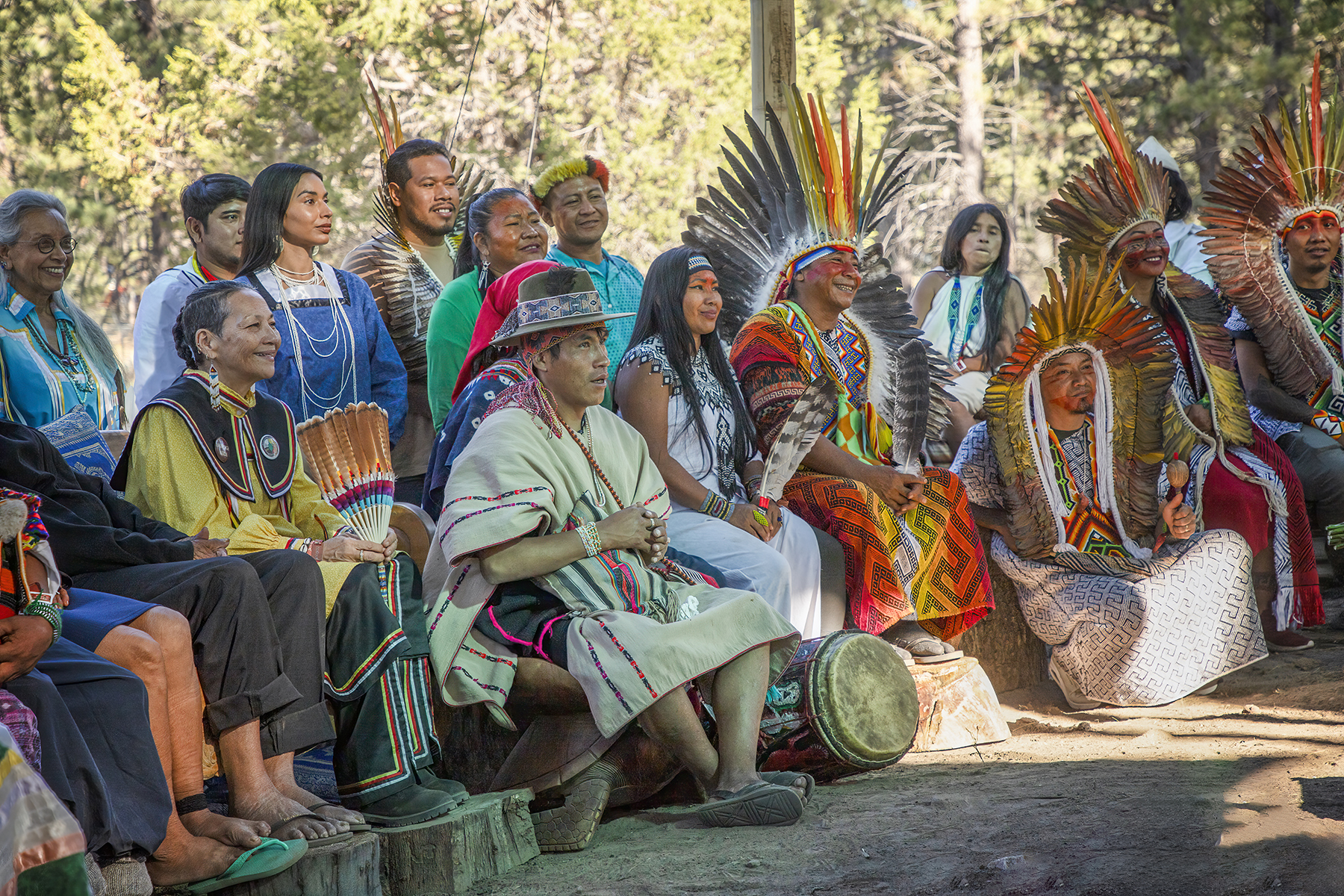
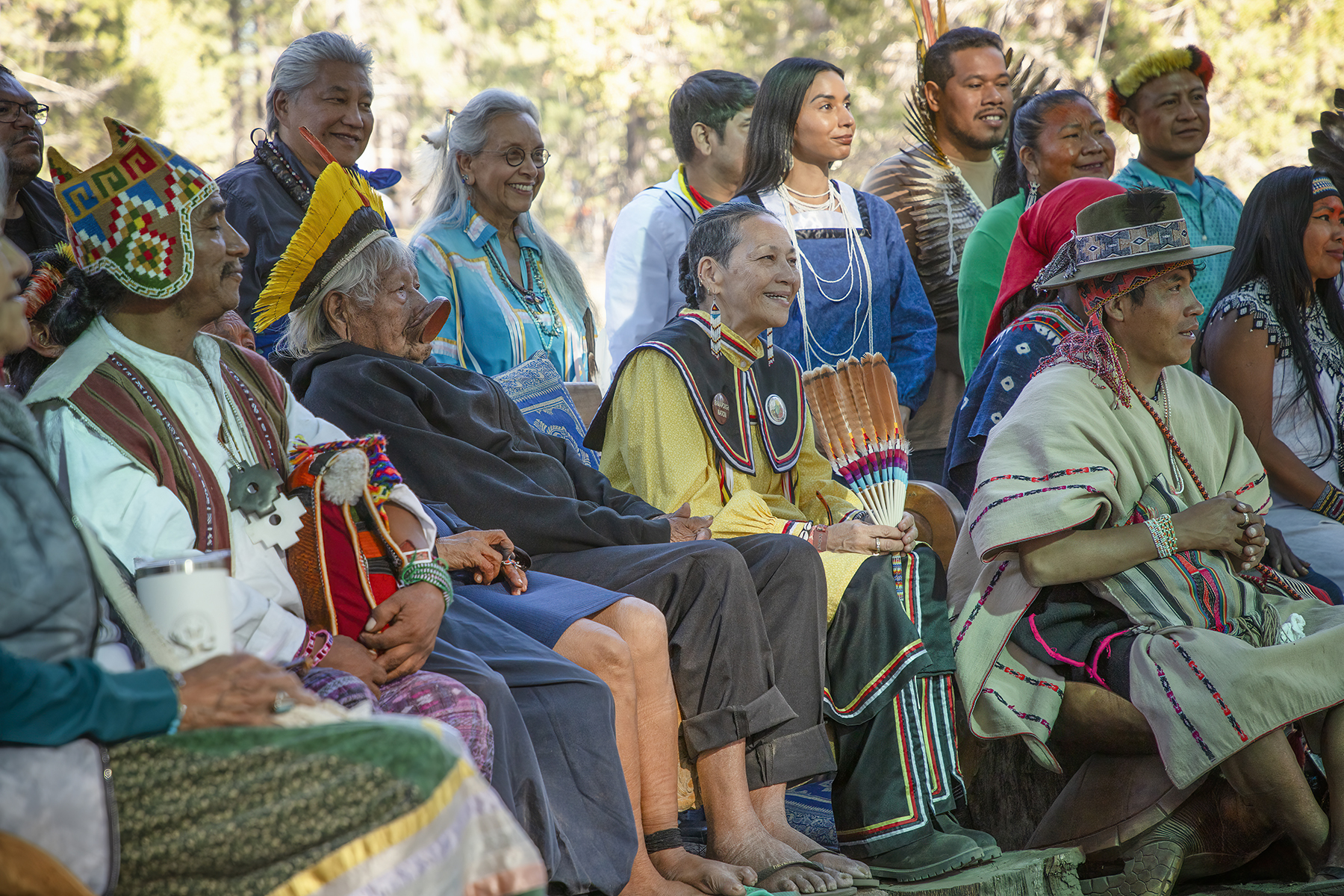
A little background. This group is sponsored by the Boa Foundation, which aims to bridge the gap between indigenous wisdom and modern life. They are about trust, wisdom, and reciprocity. I was deeply impressed by their sincere, pure hearts and endearing care of the elders. In their own words: “Aniwa Gathering is an event bringing together 50 of the world’s most respected Indigenous leaders and elders to share their wisdom over 4 days of ceremonies, healing, talks, cultural exchange, traditional music, and nature connection.” Aniwa.co
In the words of their sponsoring foundation, Theboafoundation.org:
“By building lasting relationships based on trust and reciprocity, the Boa Foundation serves as a bridge between Indigenous communities and the global north, weaving traditional wisdom and modern technology to create a world where wisdom and knowledge come together, bringing balance and lasting peace.
We facilitate a variety of learning and exchange opportunities for our sponsors and participants in Europe, the USA, and our Elders’ native lands. The purpose of these learning experiences is for people to be educated on indigenous cultures by indigenous leaders and elders. We believe the wisdom held by our indigenous communities is essential to building a future worthy for our children, grandchildren, and beyond.”
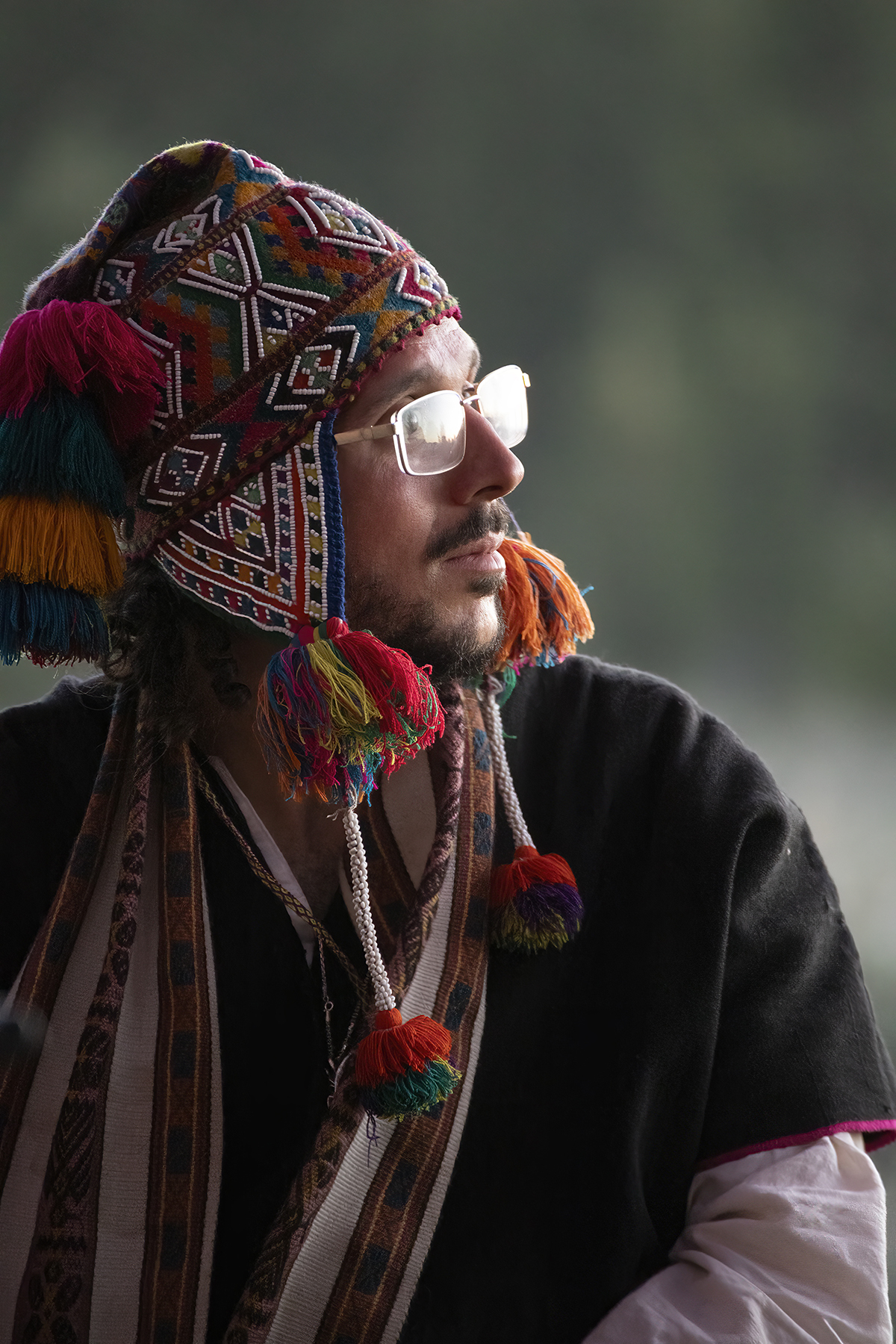
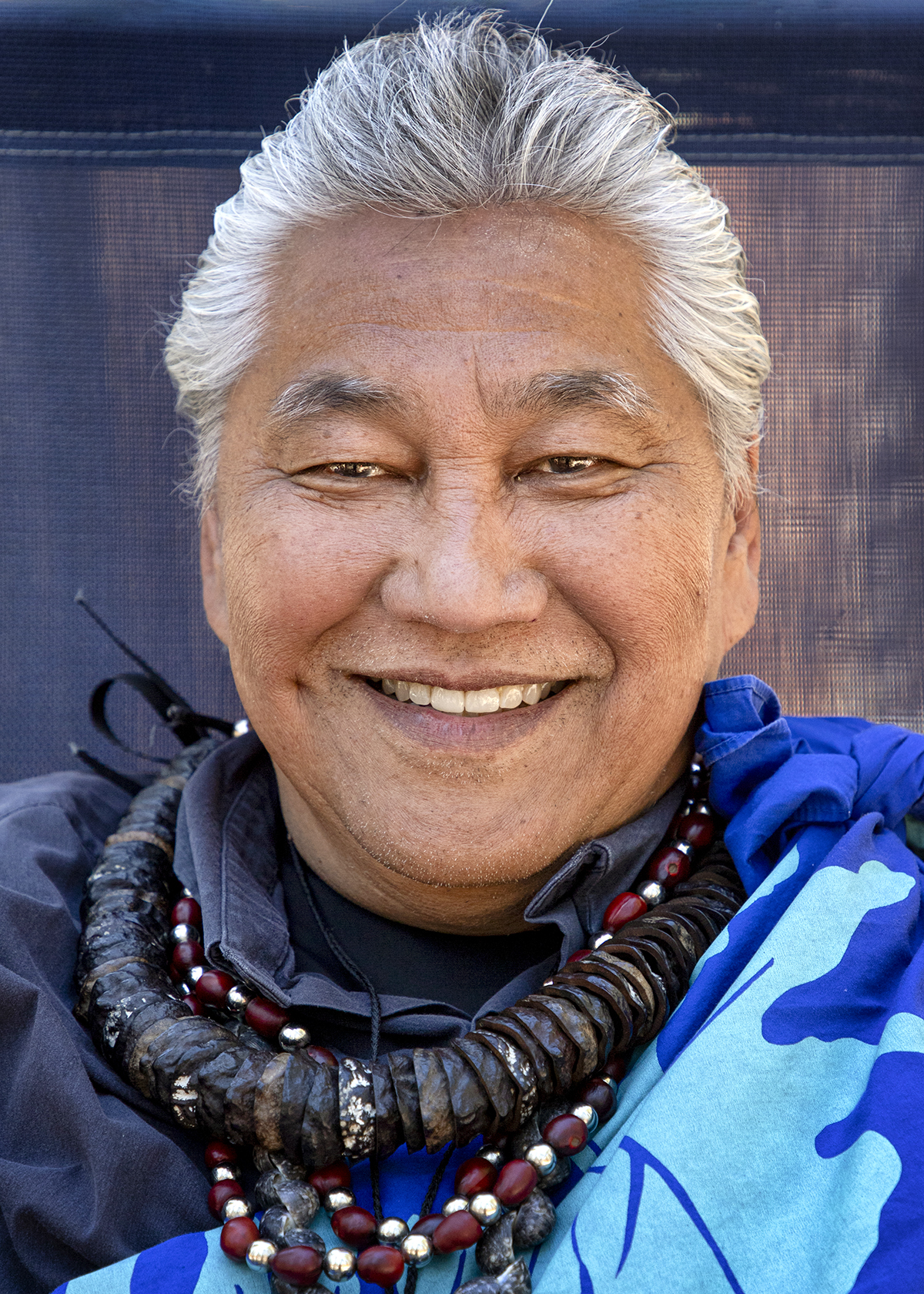
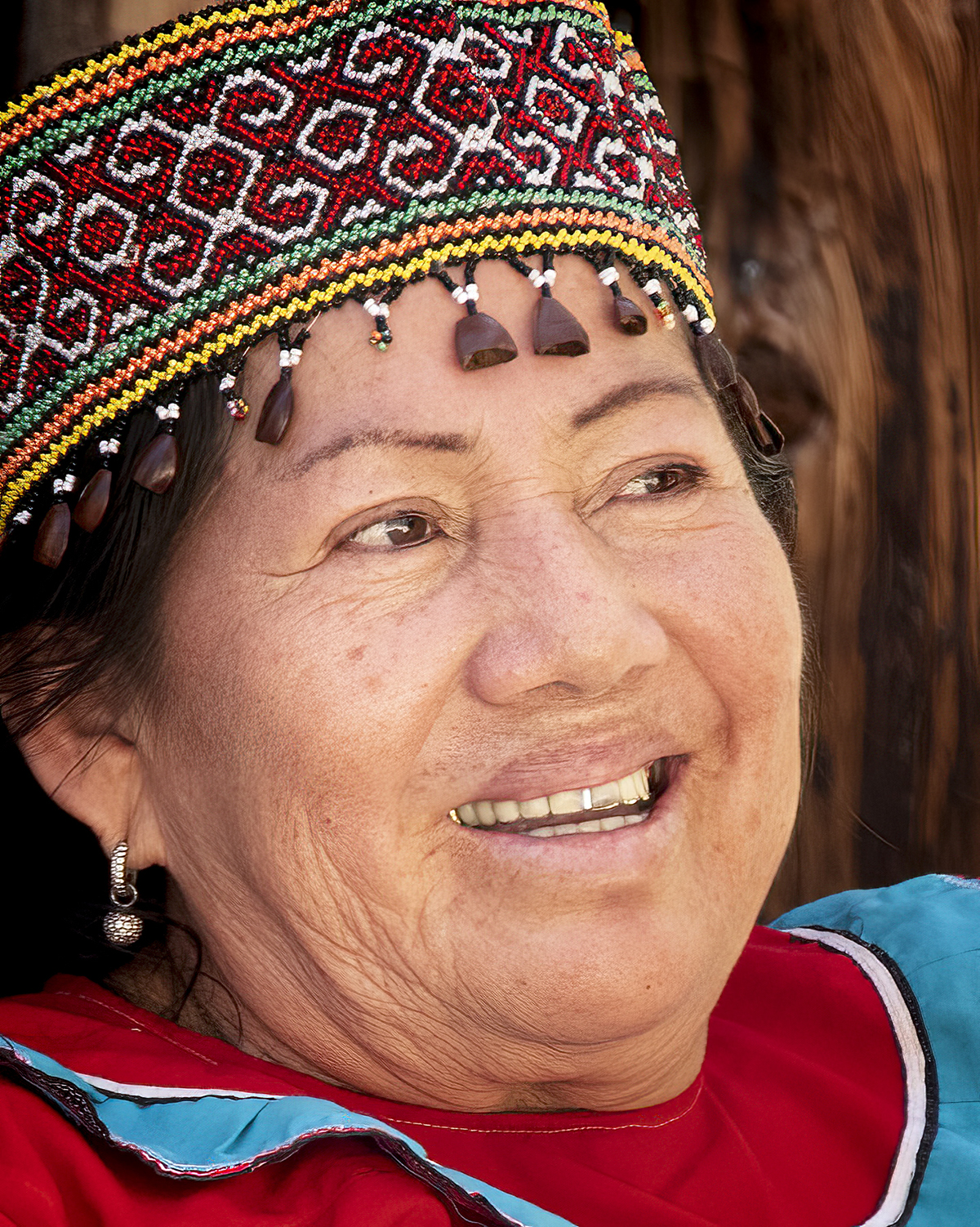
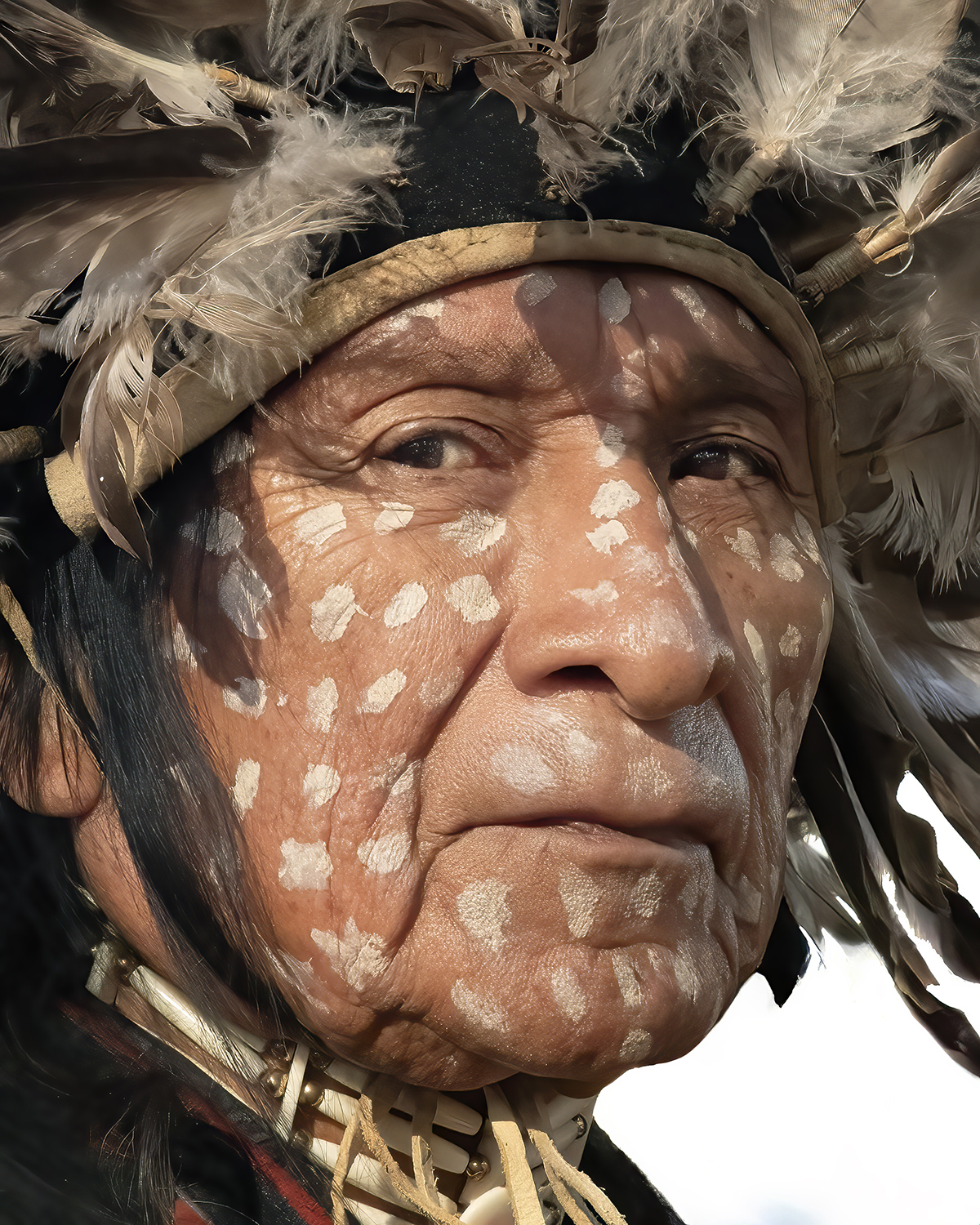
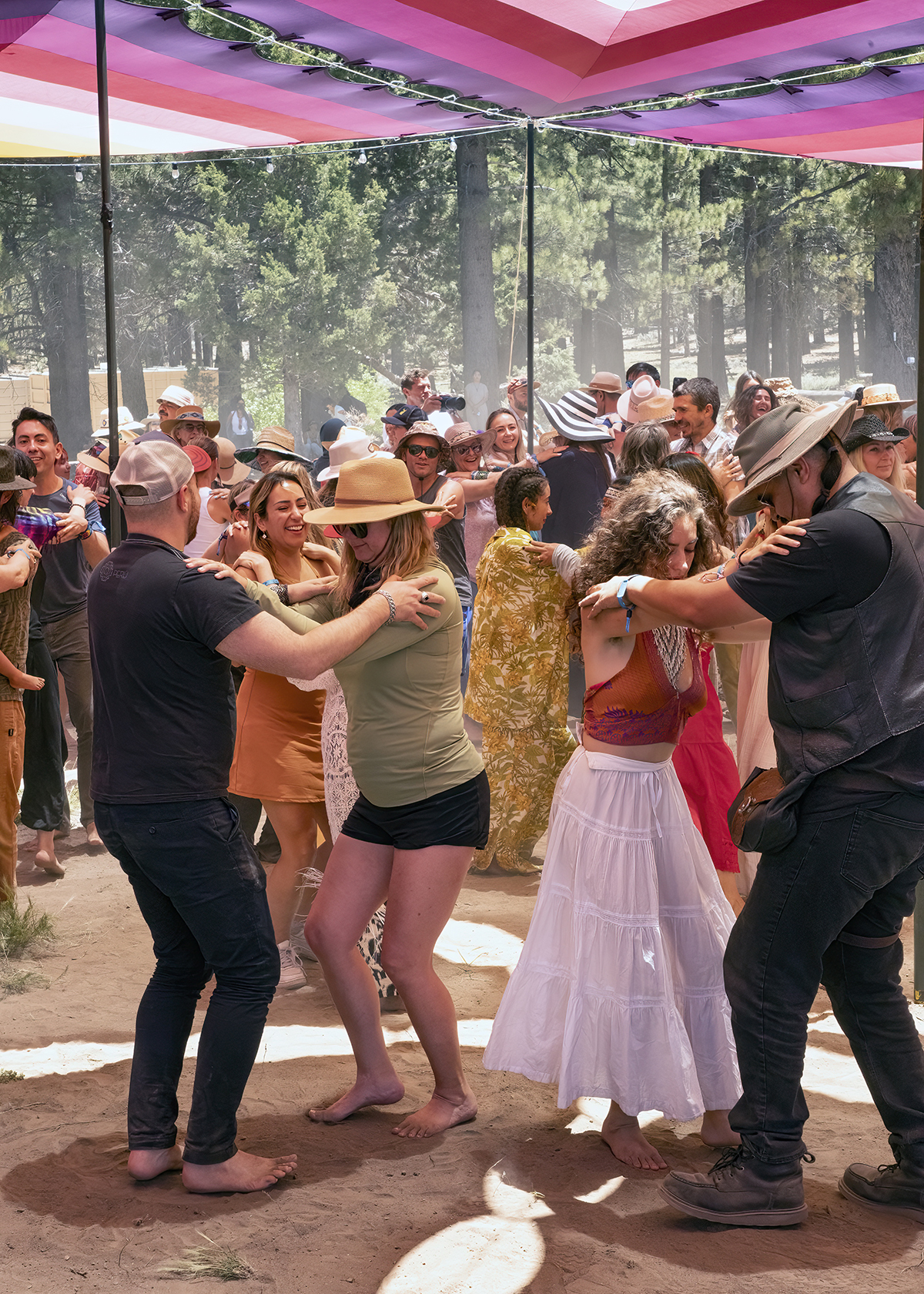
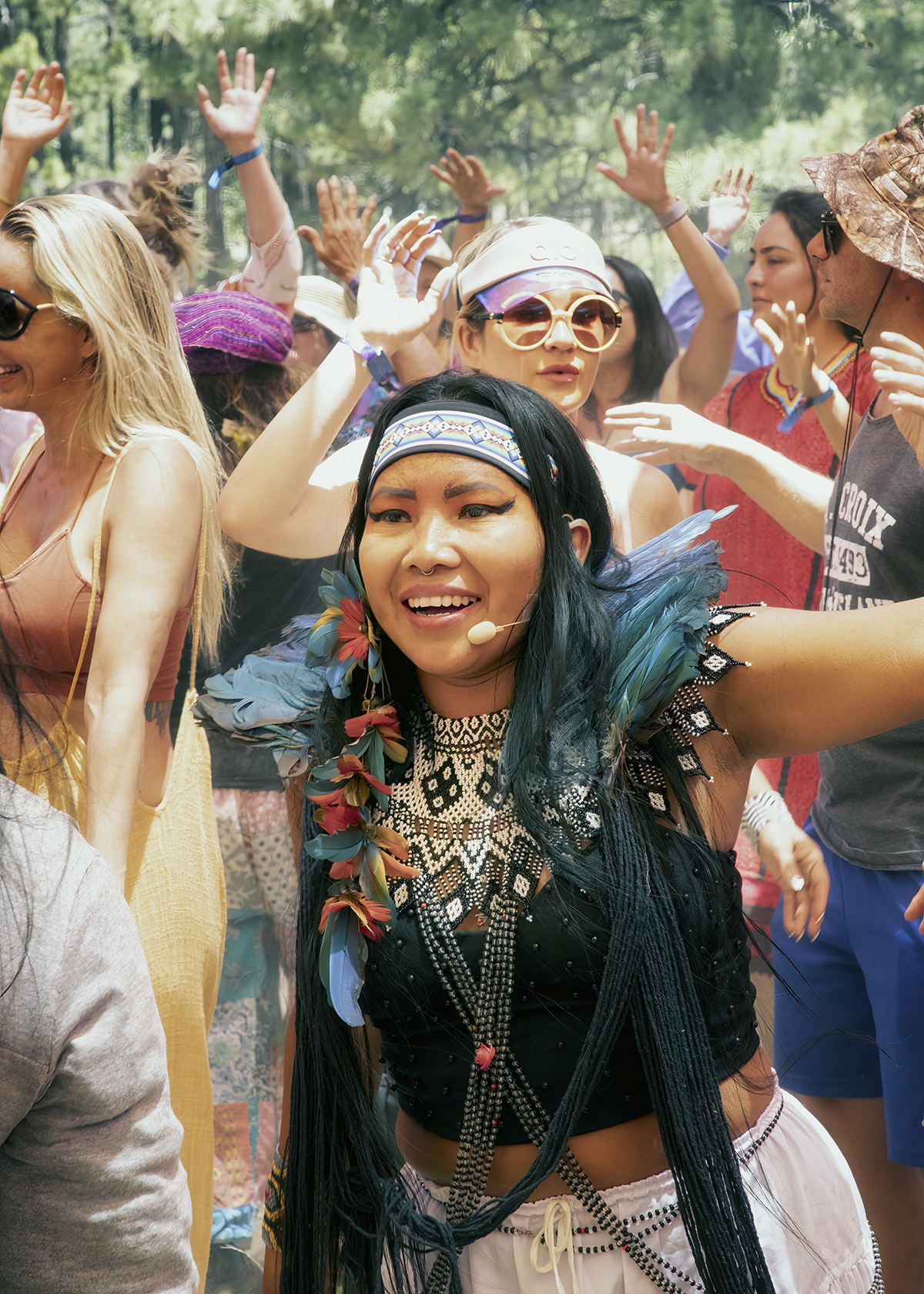
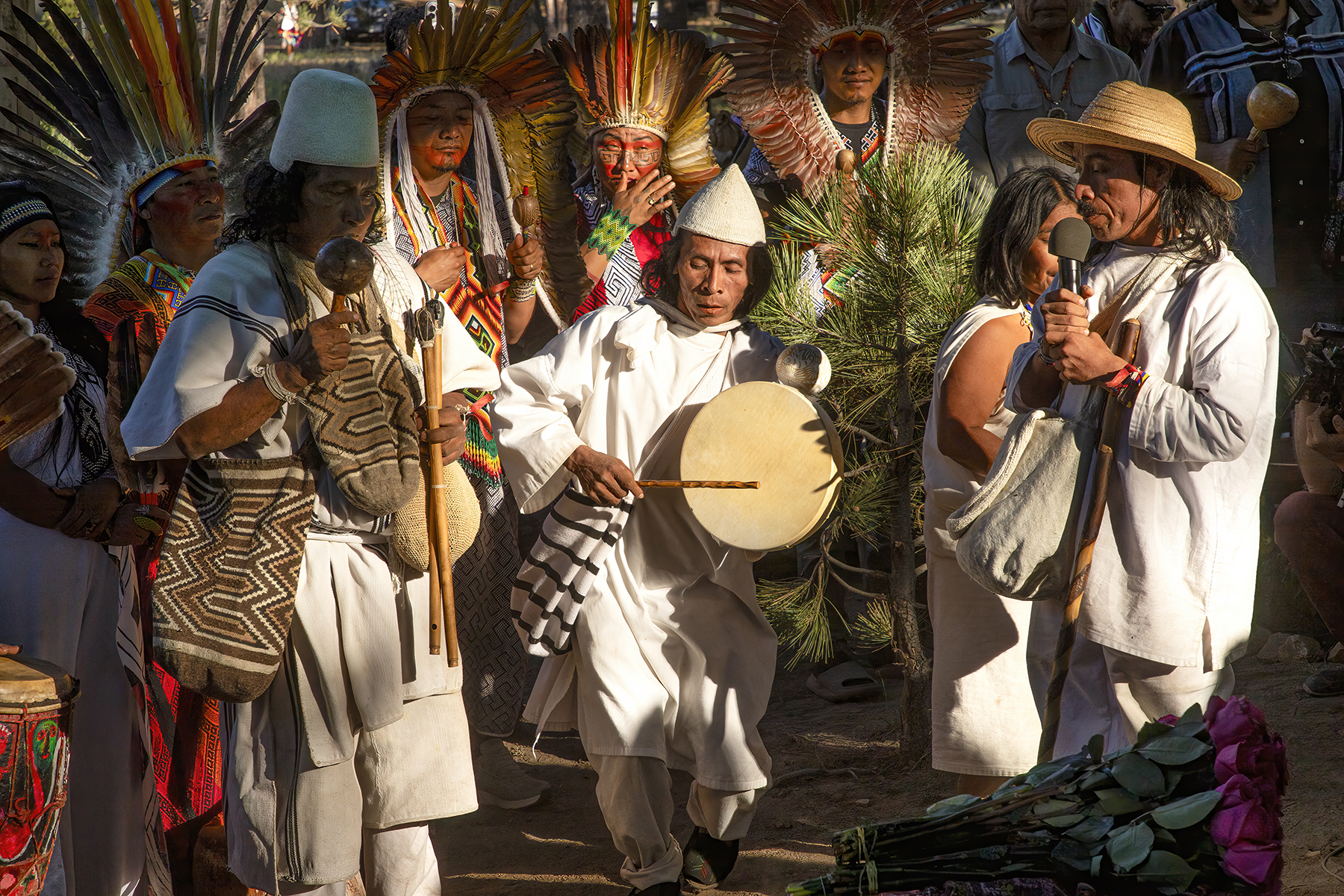
The event was held on a sprawling ranch among pine trees in Big Bear. There were 5 stages, plus a Marketplace, a firepit lounge area, a Children’s Camp, food trucks, and a sweat lodge. Pathways had lights hanging from trees, campfires burned, and music could almost always be heard coming from a far-off stage. The stages themselves had daily sessions scheduled from as early as 7:30 am (Qi Gong moving meditation and Ninja Mudras) to as late as 10 pm (Native American Church tobacco and cedar ceremony or sacred music concerts). The vibe was warm and friendly, with a sense of community; everyone was happy to be there and happy to know you.
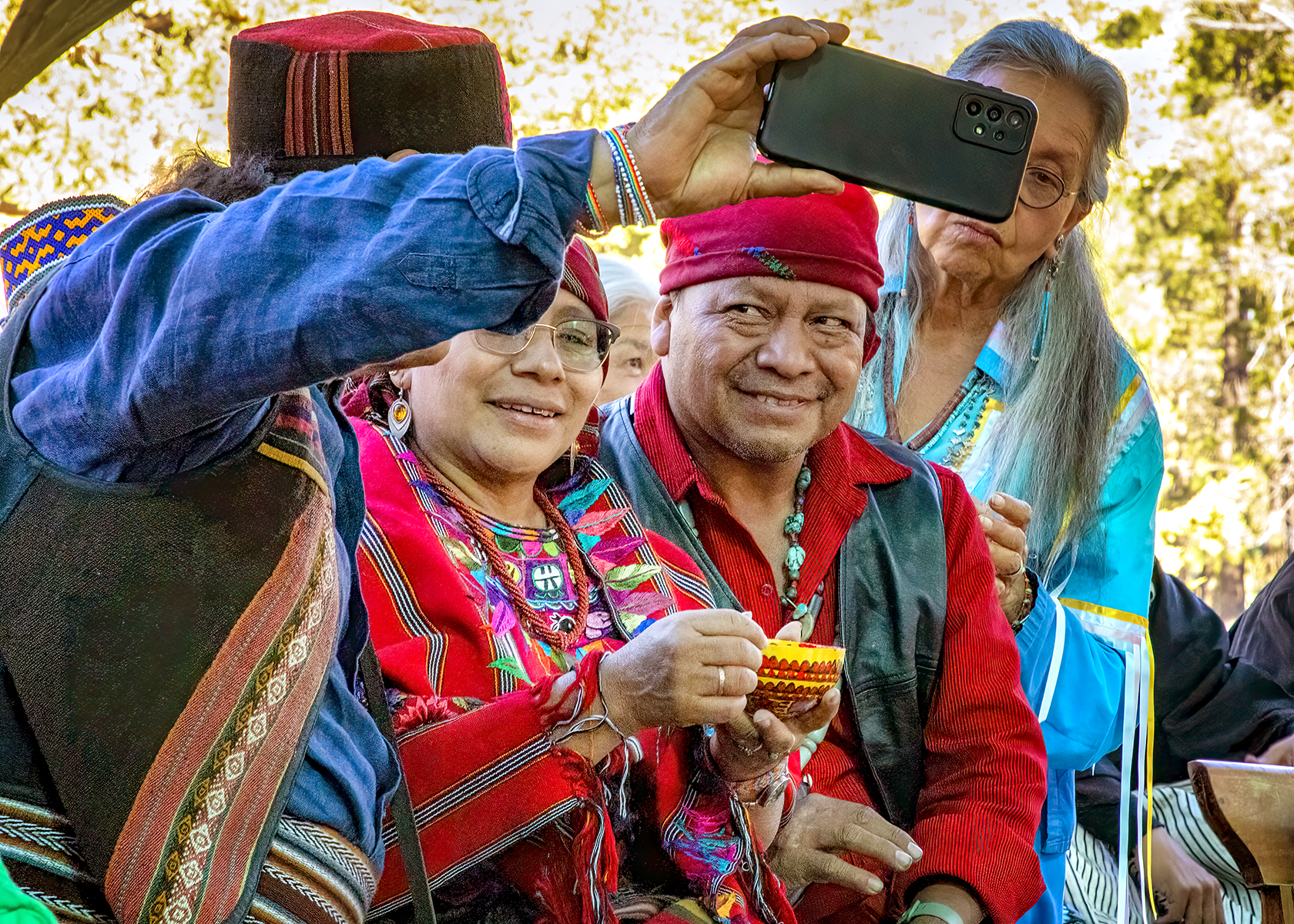
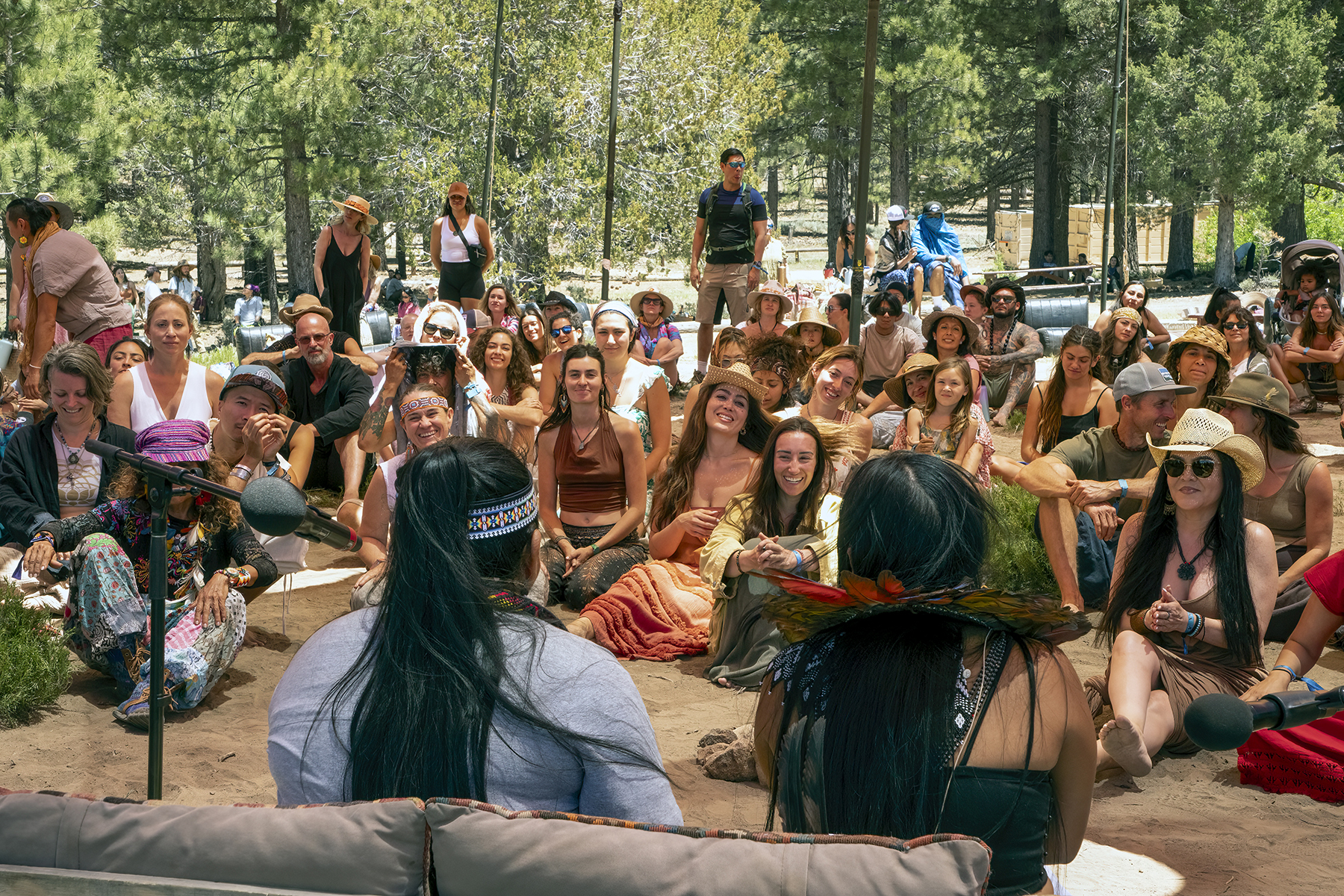
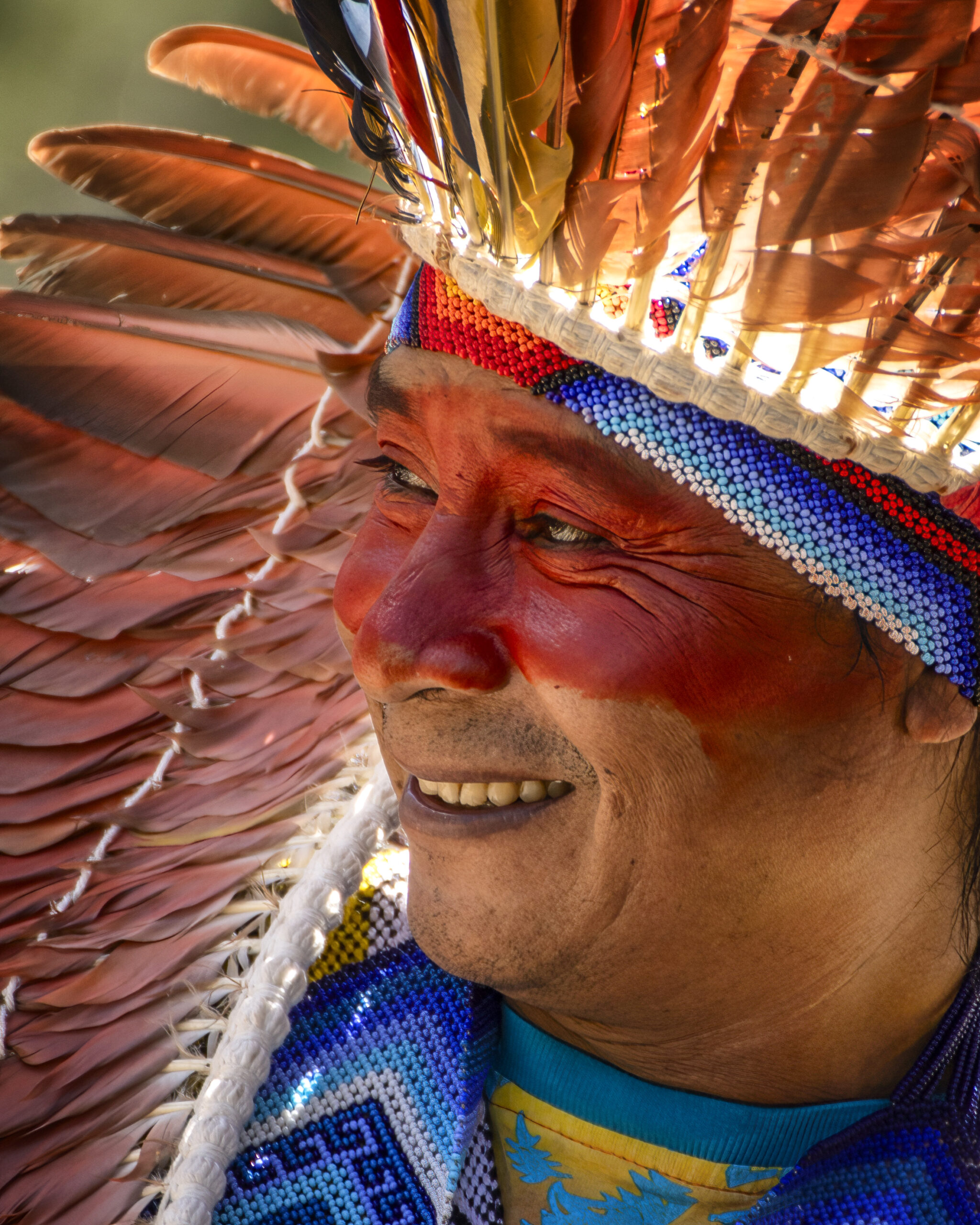
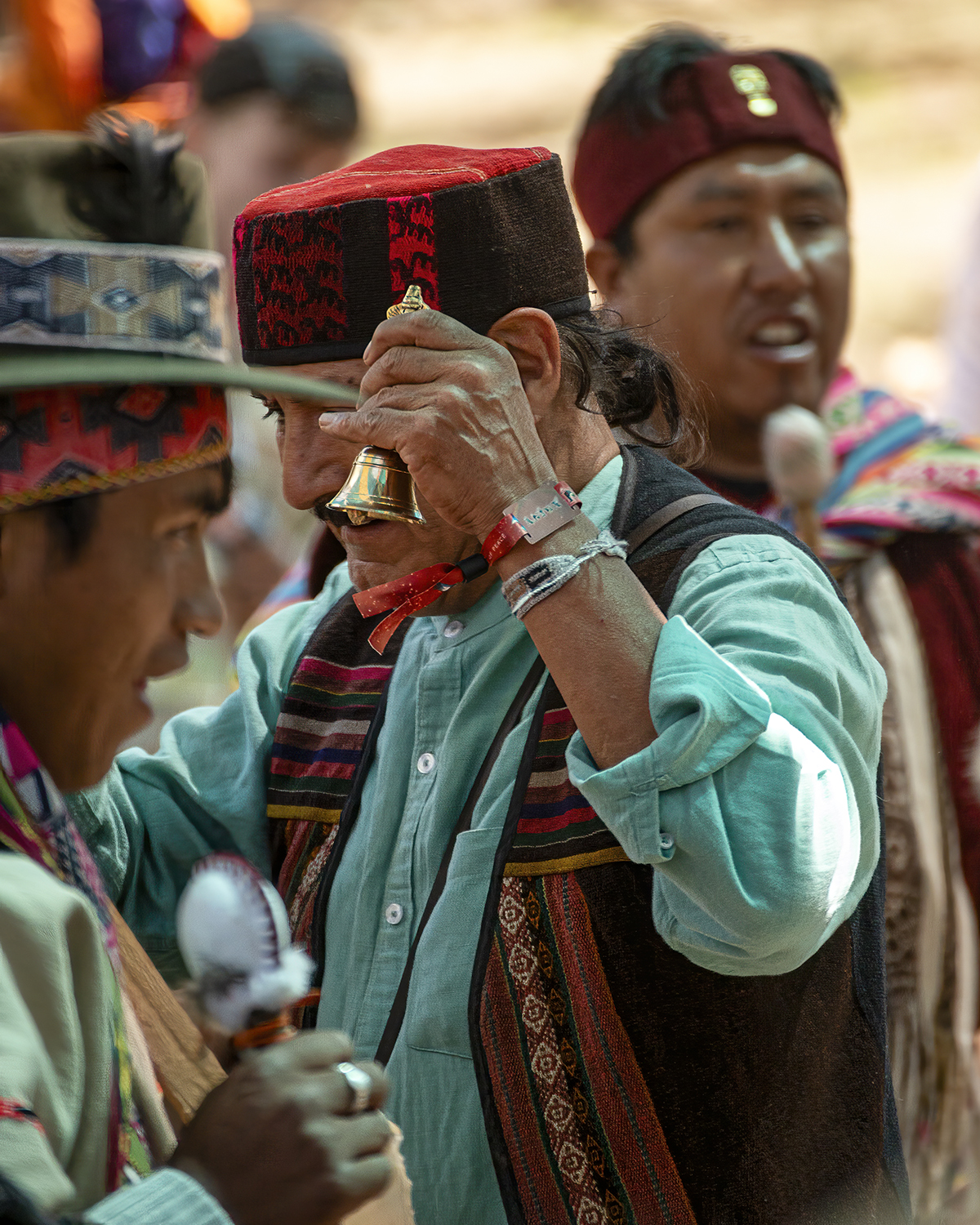
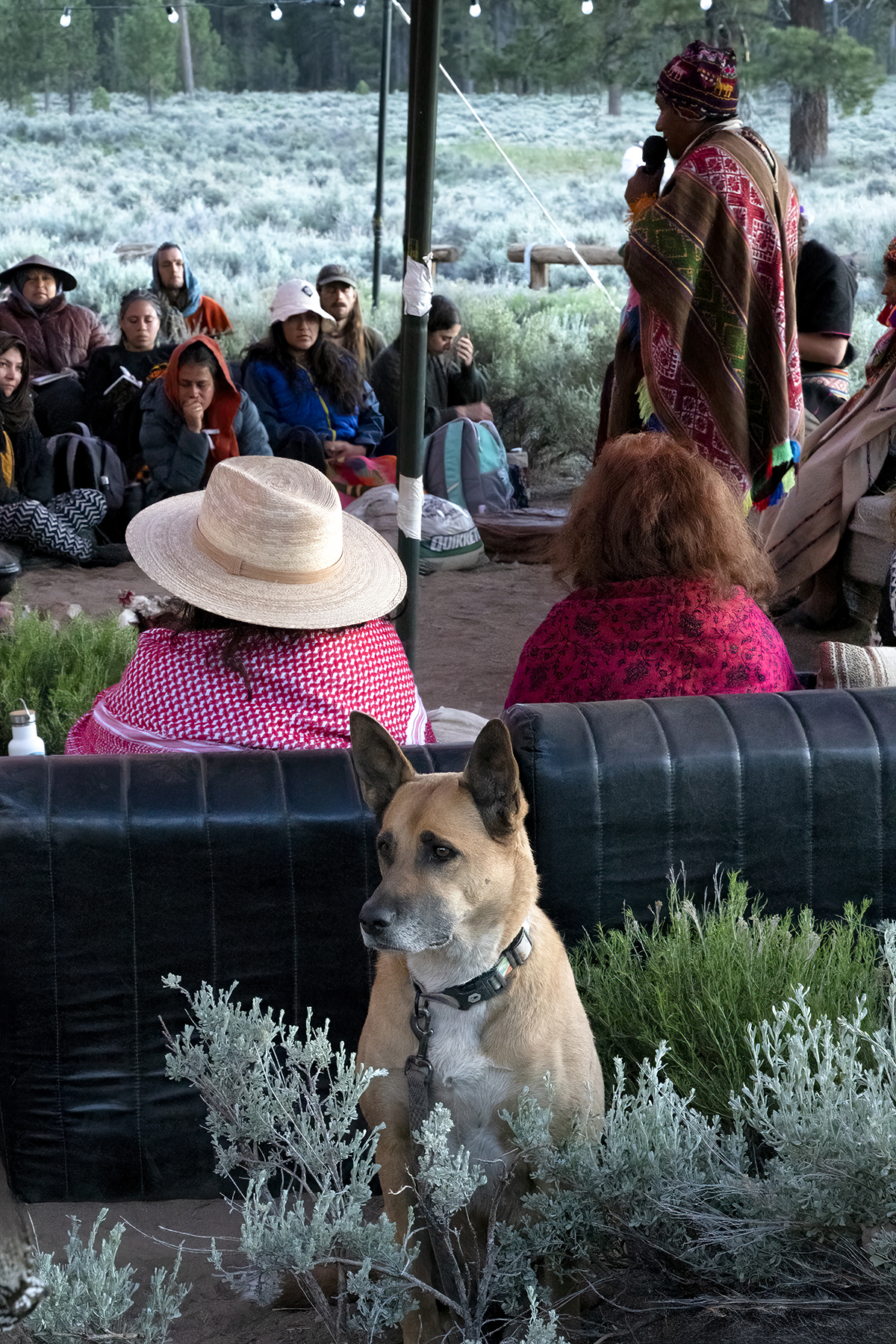
The media team shared laughs, equipment, challenges, and appreciation for each other’s work. It’s always a blast to hang out with other photographers. In addition, there were sweet moments of connection day in and day out, making new friends among strangers. I met dogs like Mabel and heard amazing stories. Mabel saved her guardian, my new friend Jessica, repeatedly, completely untrained, when Jessica was having strokes and didn’t know it. Jessica gave me a little heart stone, one she had made herself.
A woman named Laura did all the cooking for the elders and crew (probably a couple hundred people), worked non-stop for days and planted all the vegetables we ate on her own farm months ago. She bought organic meat and made beautiful meals, always served with a white-board menu, which ended with a line about how much she loved all of us. Where do you find people like that? (Also, she made a salad that I might never get over – it was the fresh greens from her farm with a dressing that included pine oil pressed by a friend of hers. Beyond delicious.).
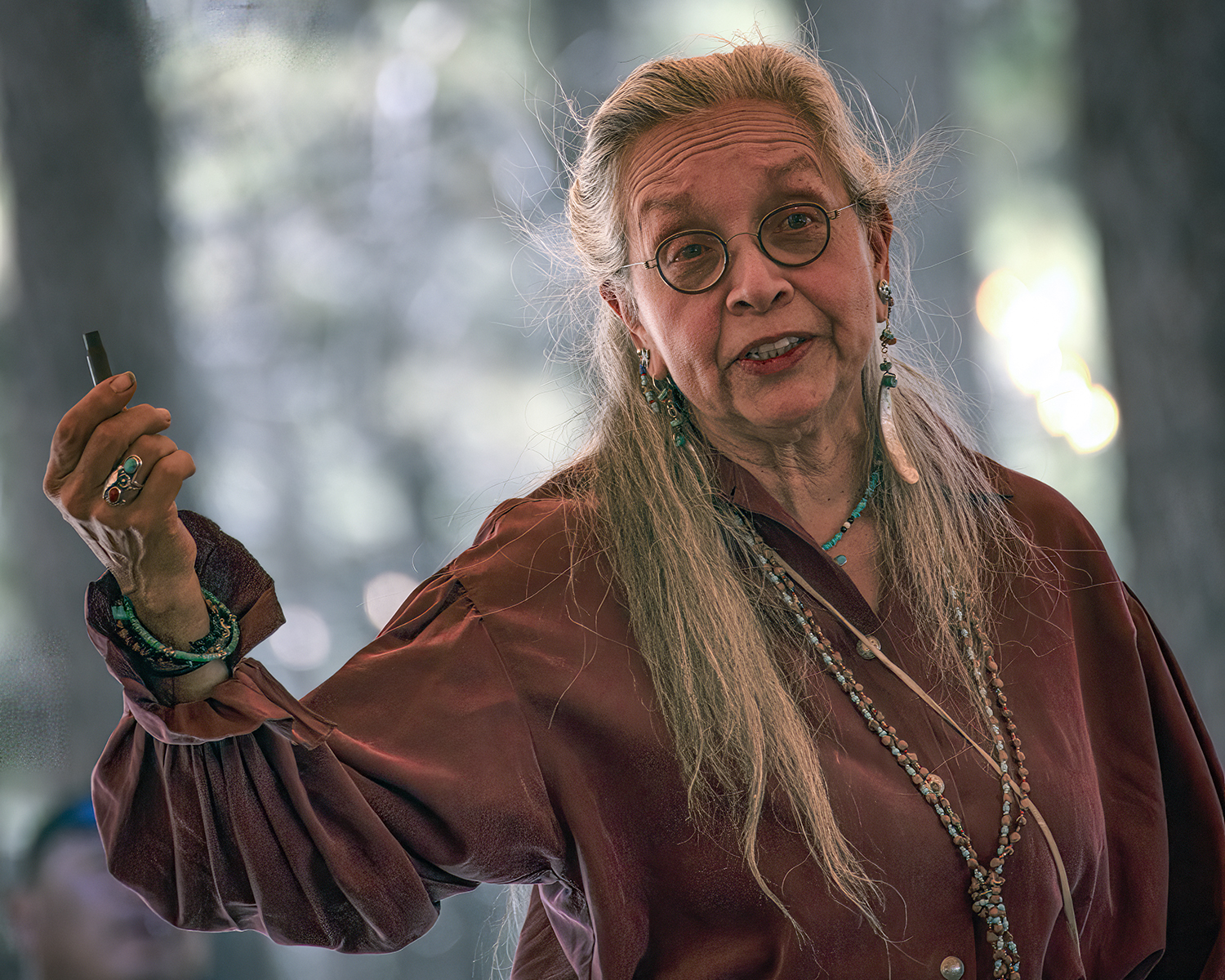
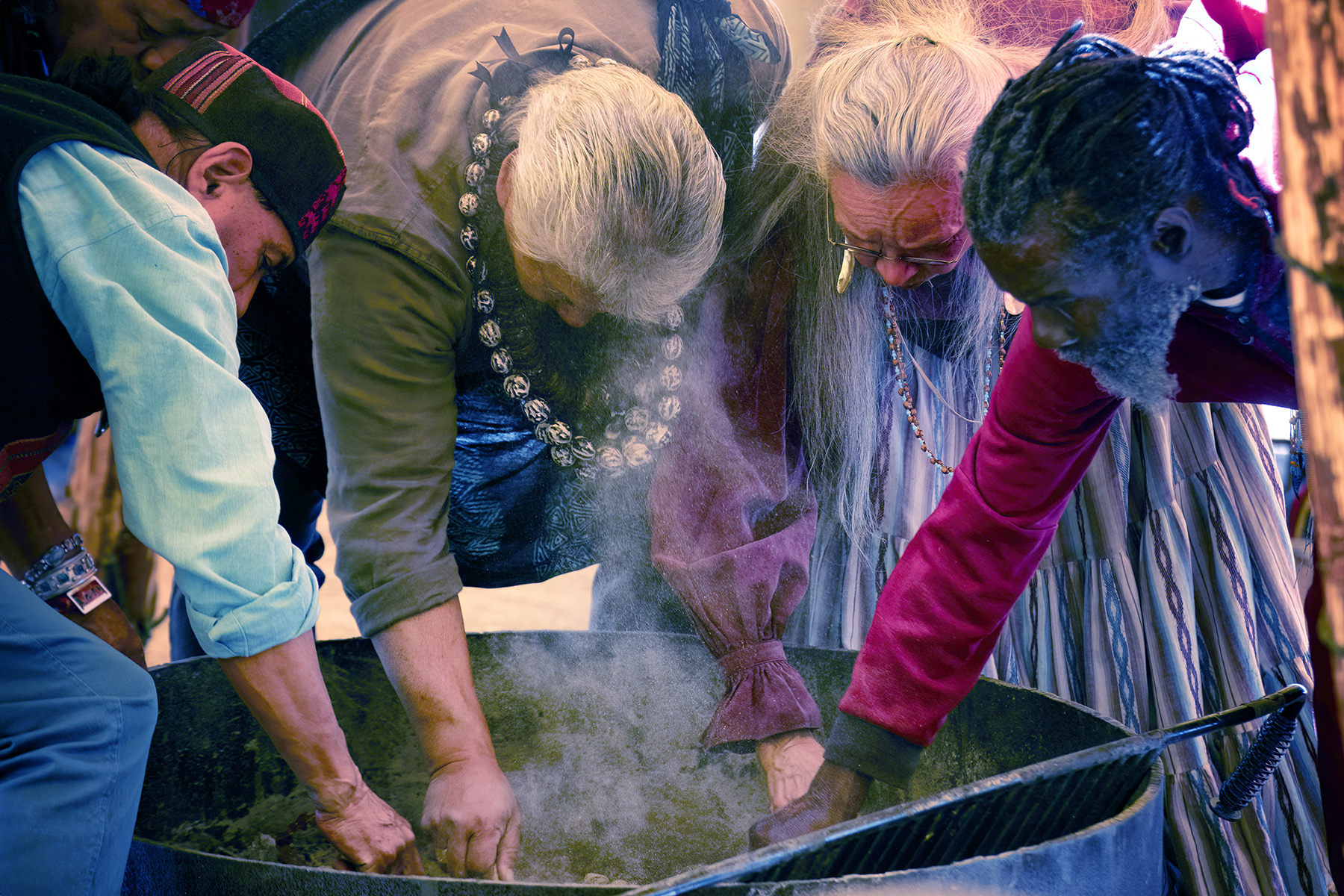
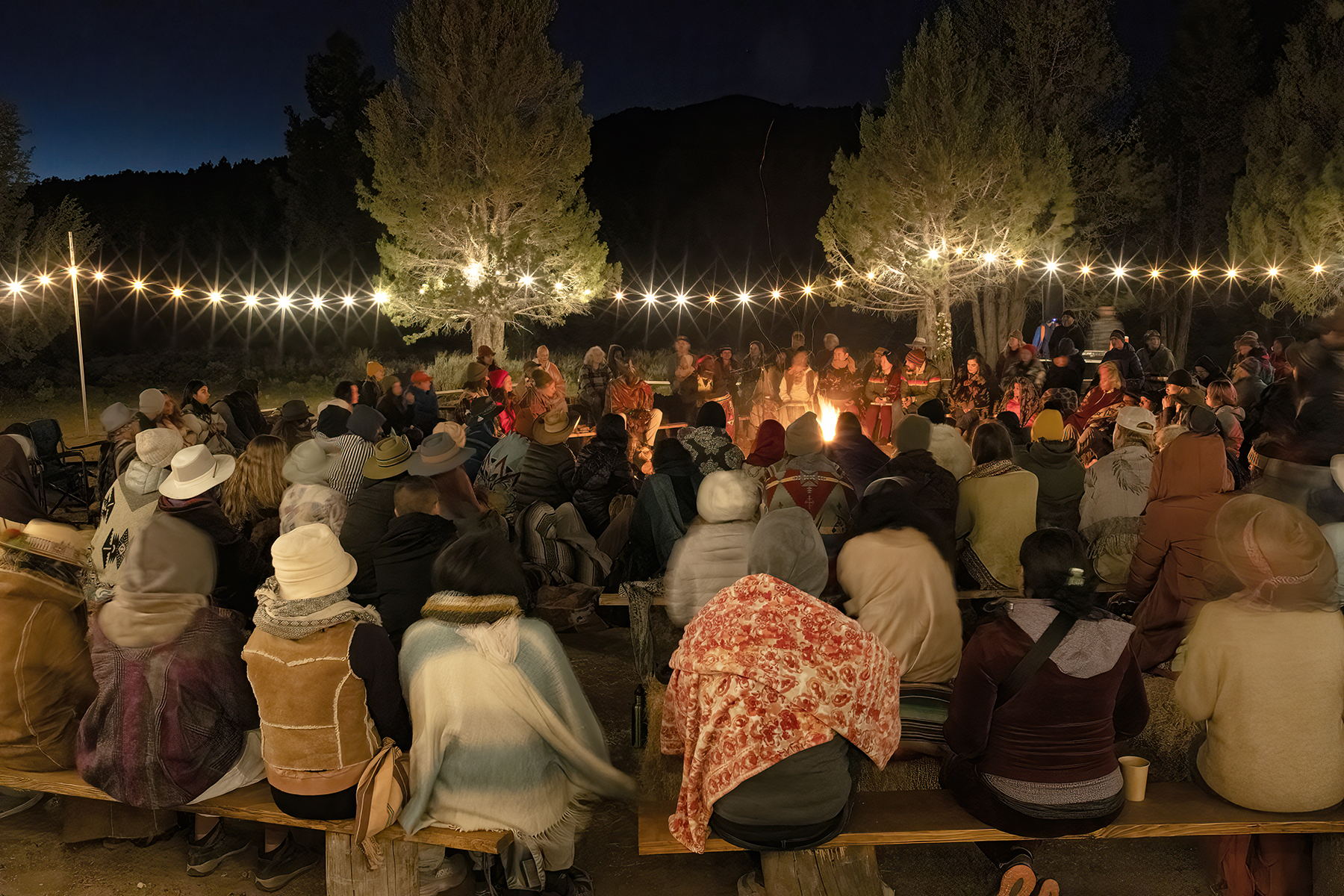
My photography officially began when we were invited to shoot a pre-event gathering of the elders. They were seated in a big circle around a firepit, introducing themselves through their interpreters. They offered prayers and encouragement to each other, bonded by their determination to share and protect their cultures proudly. One moment gave me goosebumps. Grandmother LaneSaan Moonwalker from the Yoeme tribe stood up and said she kept finding things under her feet. The last thing she found was a shell casing from a bullet. She held it up and said they were all there to share their messages with peace. Although she had ancestors killed by bullets, she wanted to bury the casing in the ashes of the firepit as a symbol of conveying peace, and she invited the other elders to join her if they wished. One by one, they stood and joined her around that pit, stirring into the ashes and then stepping away to make room for more to join in. It was one of the most powerful things I’ve ever seen.
That was the first of many powerful moments in the days to follow.
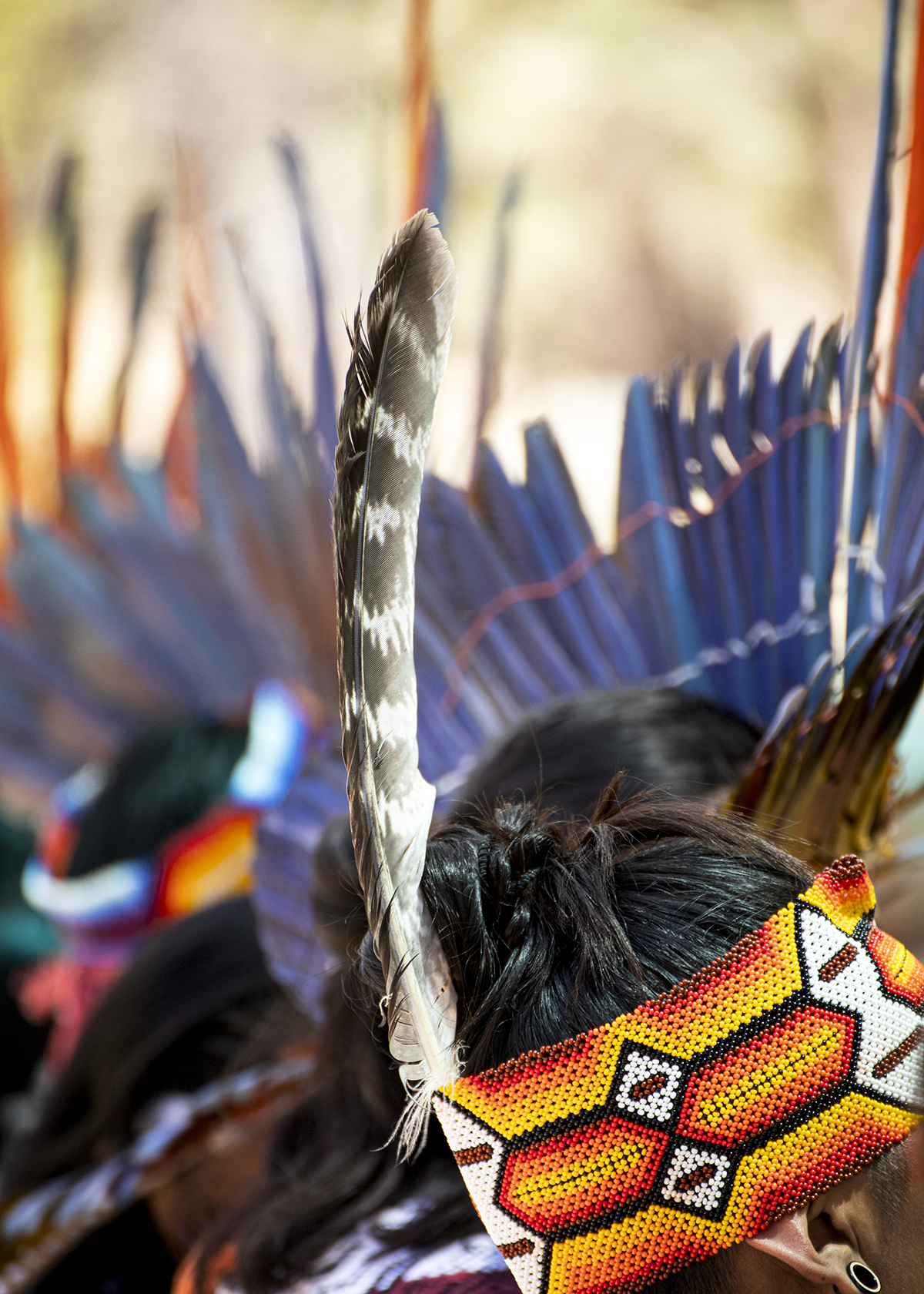
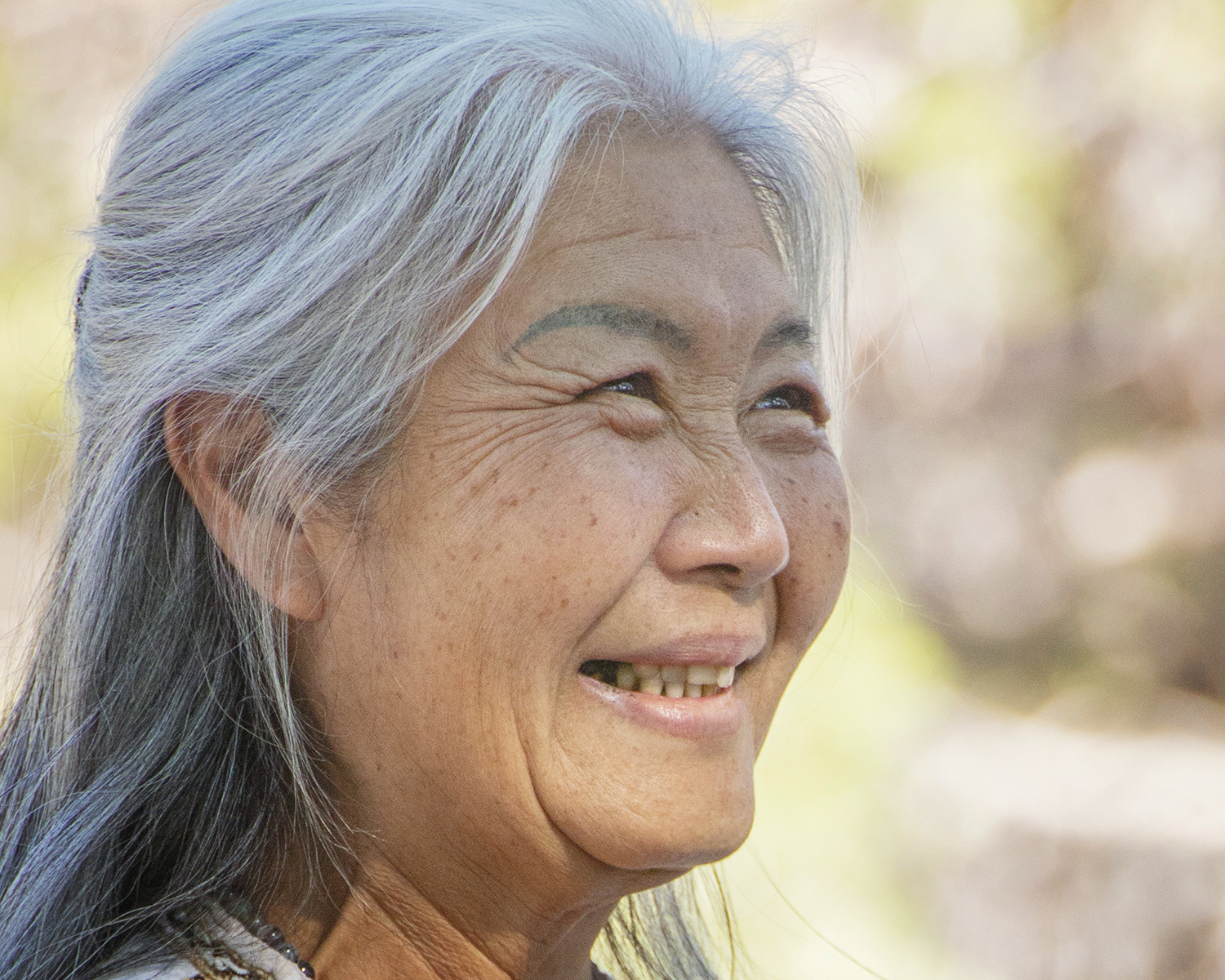
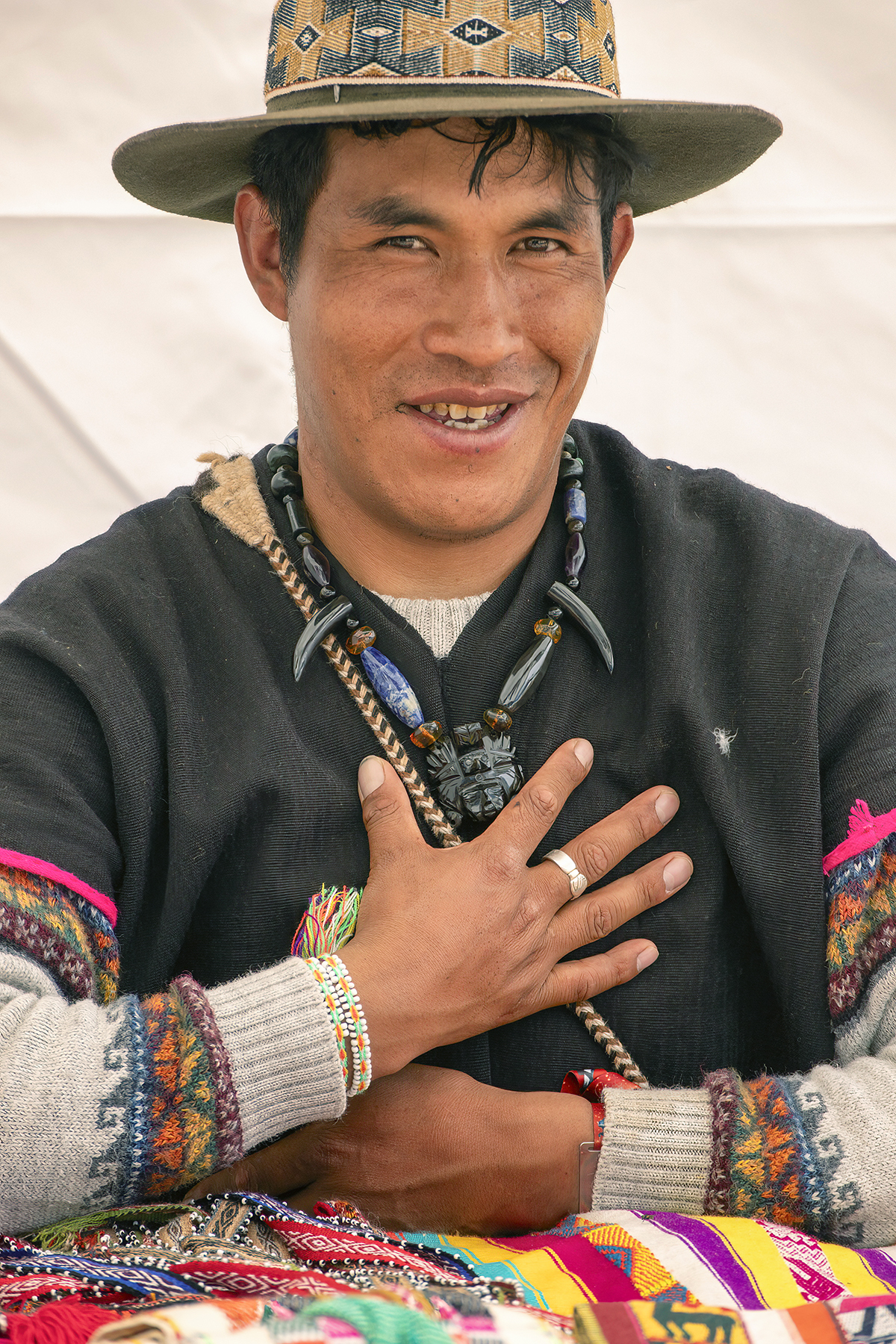
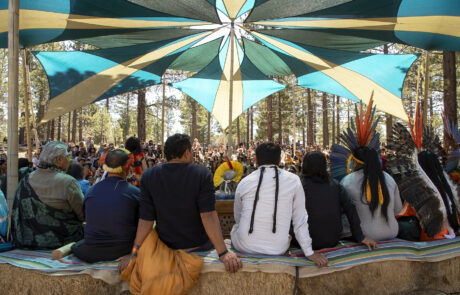
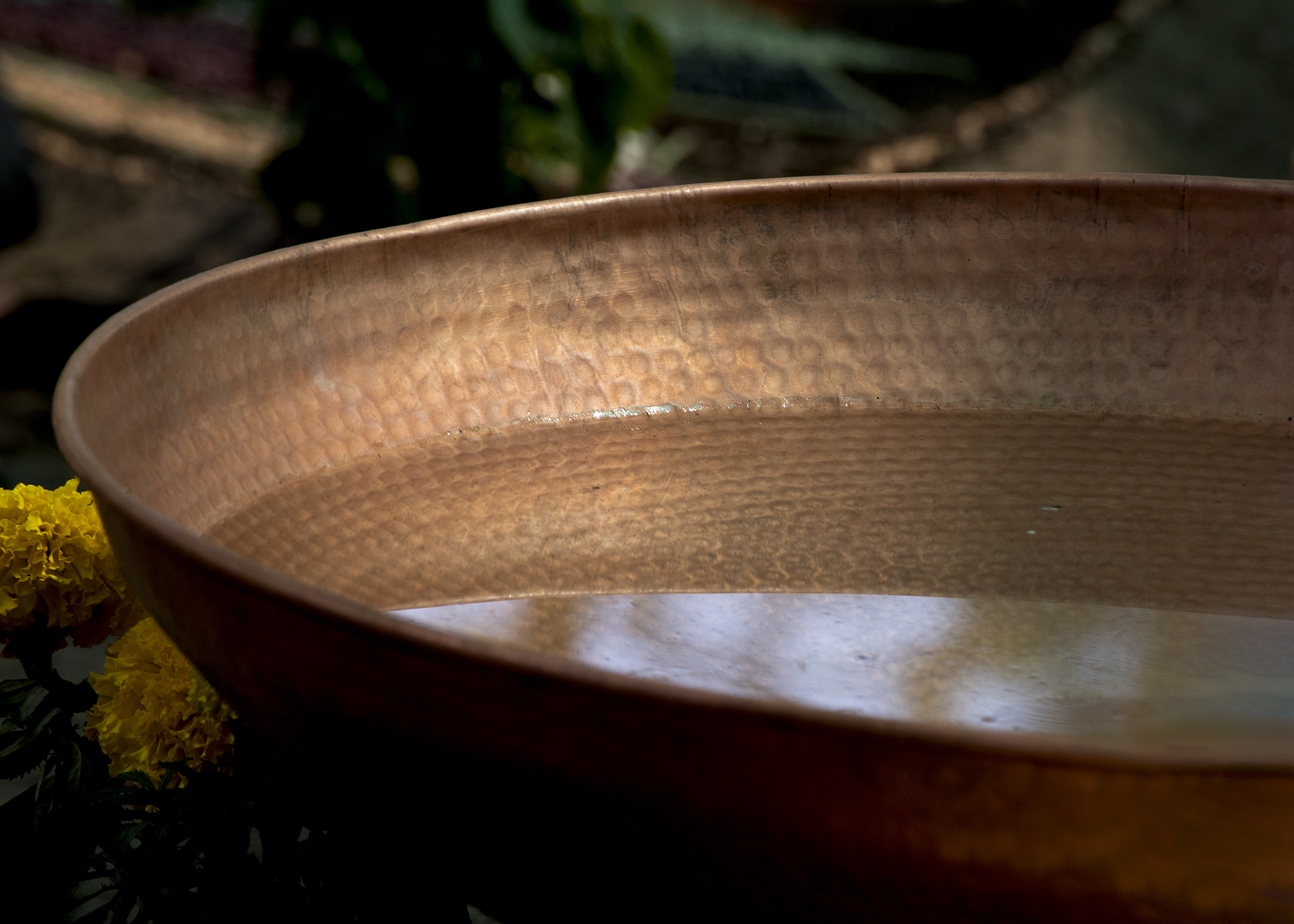
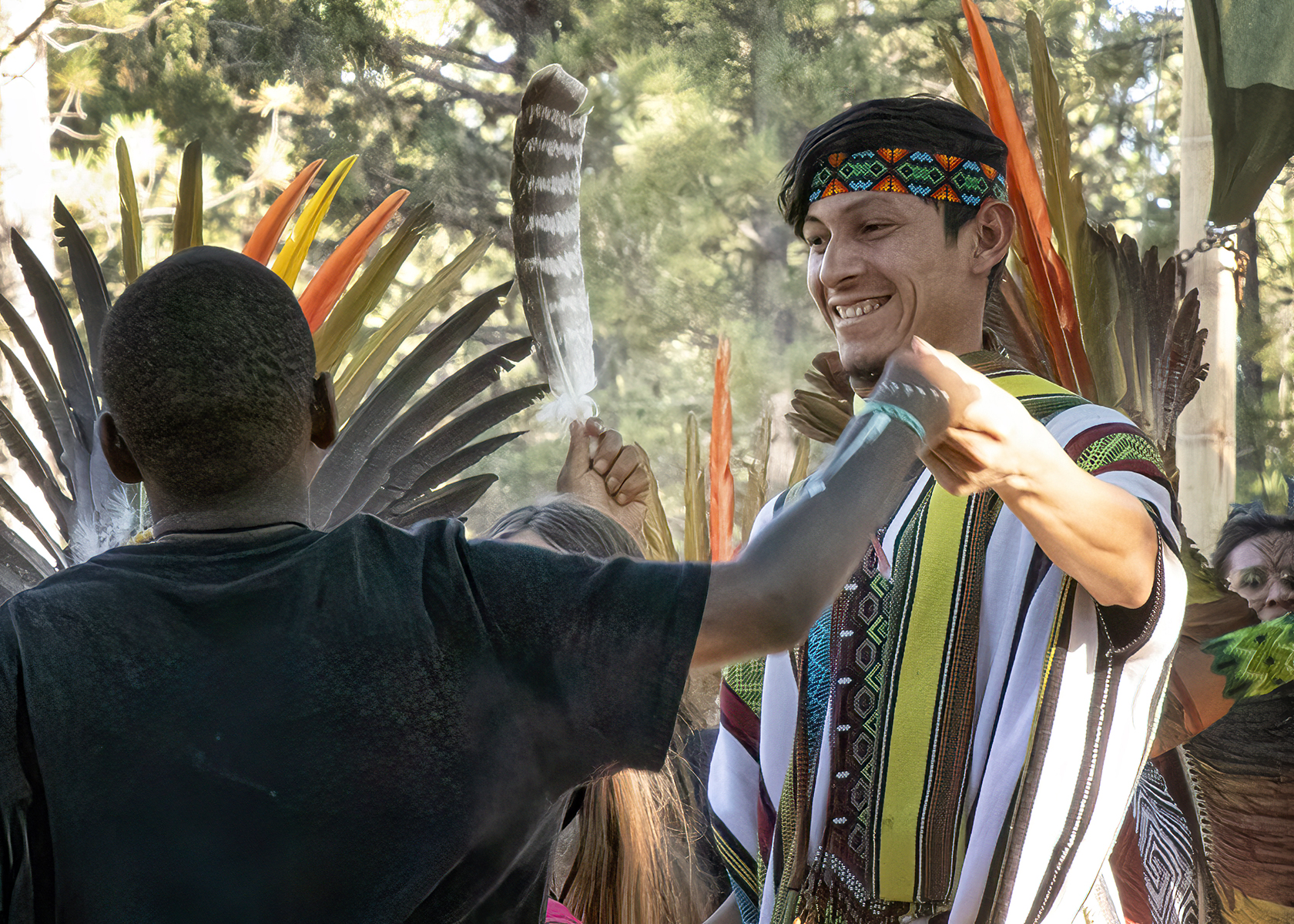
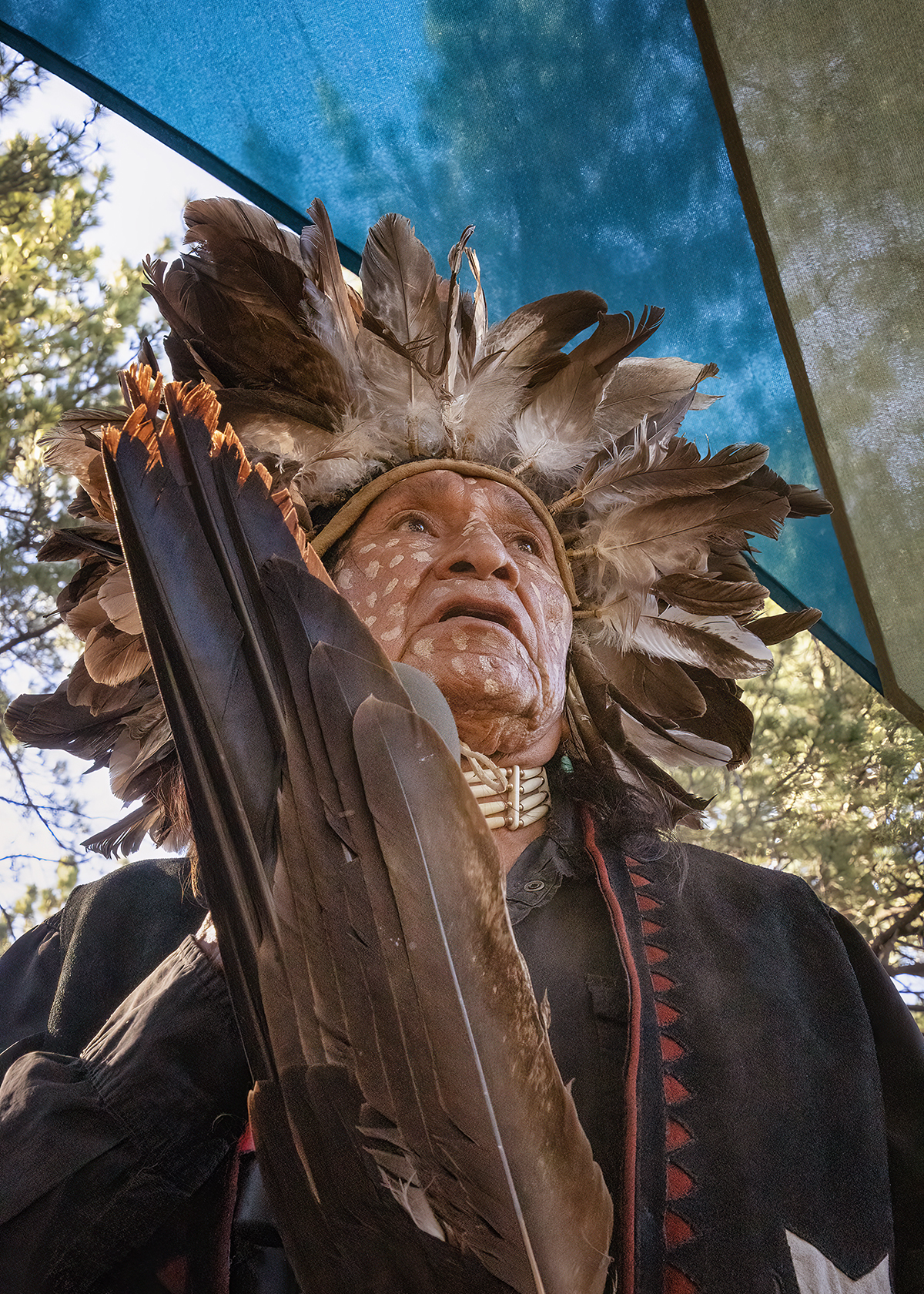
The sight of 50 elders seated together in their regalia at the opening ceremony was fantastic. These people came from Haiti, Hawaii, Peru, Bolivia, Brazil, Chile, Mongolia, Colombia, Japan, Guatemala, Mexico, Australia, and many US tribes. (Can you imagine the logistics of getting them all together? The Visas, passports, flights, etc? Many of them had never left their villages before). Watching them enjoy each other was a treat; by the end of the event, they were taking selfies together, joining in each other’s music, and cheering dancers on. The theme for this year’s gathering was Waters of Peace, and each elder brought some water from their own lands, which was poured into a brass bowl. At the end of the event, we got to bring some home to add to our own local waters. It was stunning to think about these elders brought together and myself being there in person to see it.
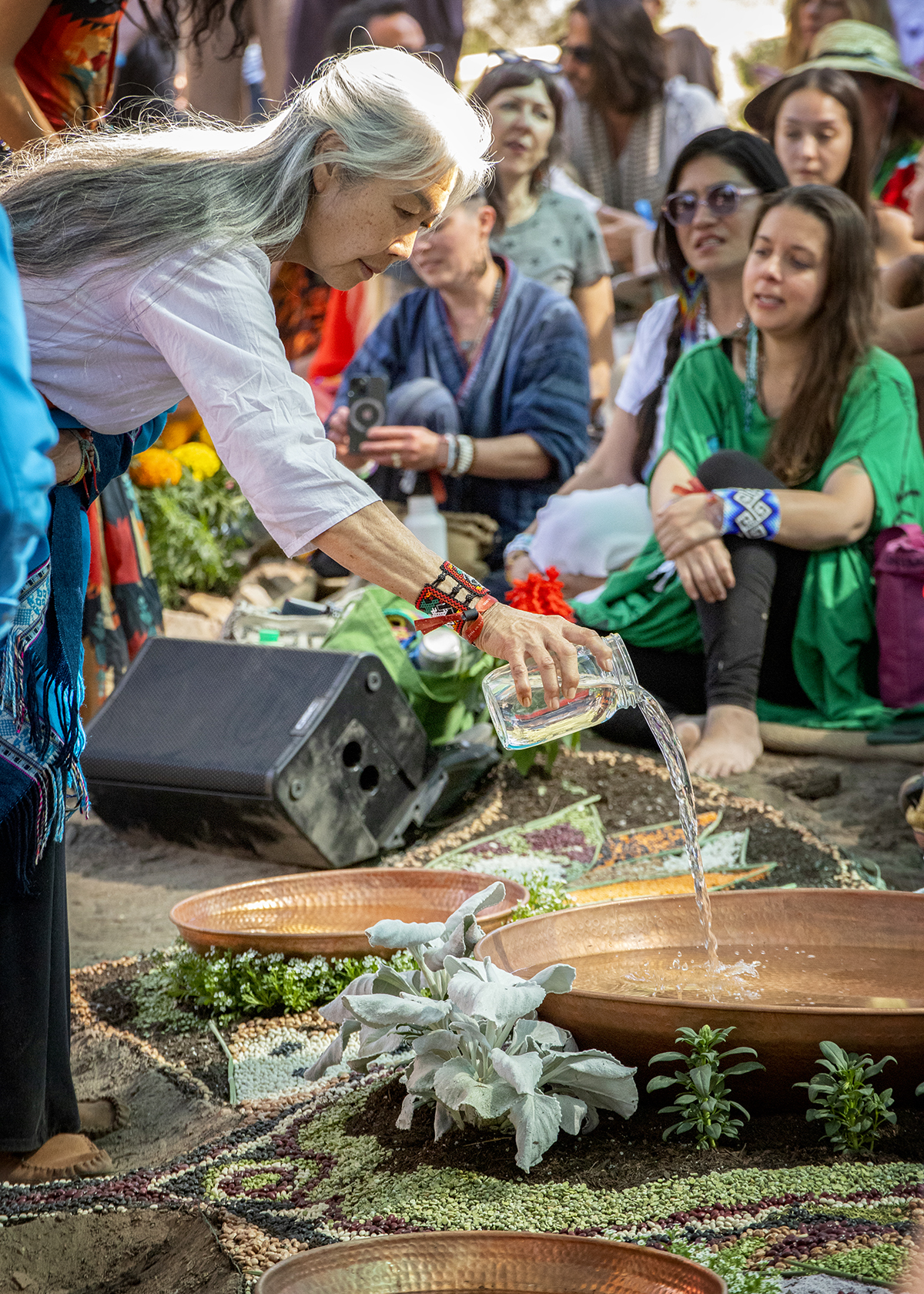
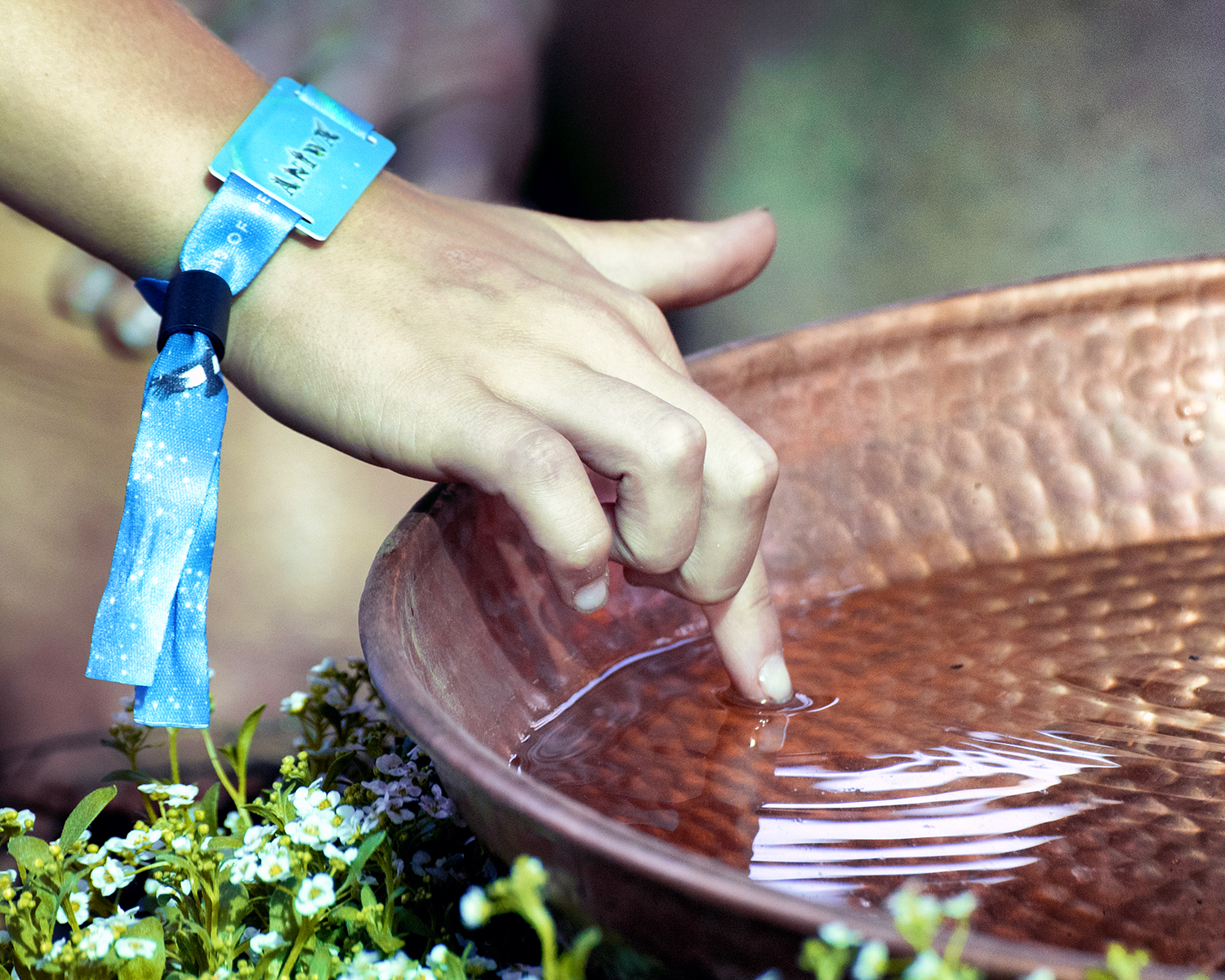
With the gathering now underway, available sessions included storytelling, healing ceremonies, music, traditional talks, and more.
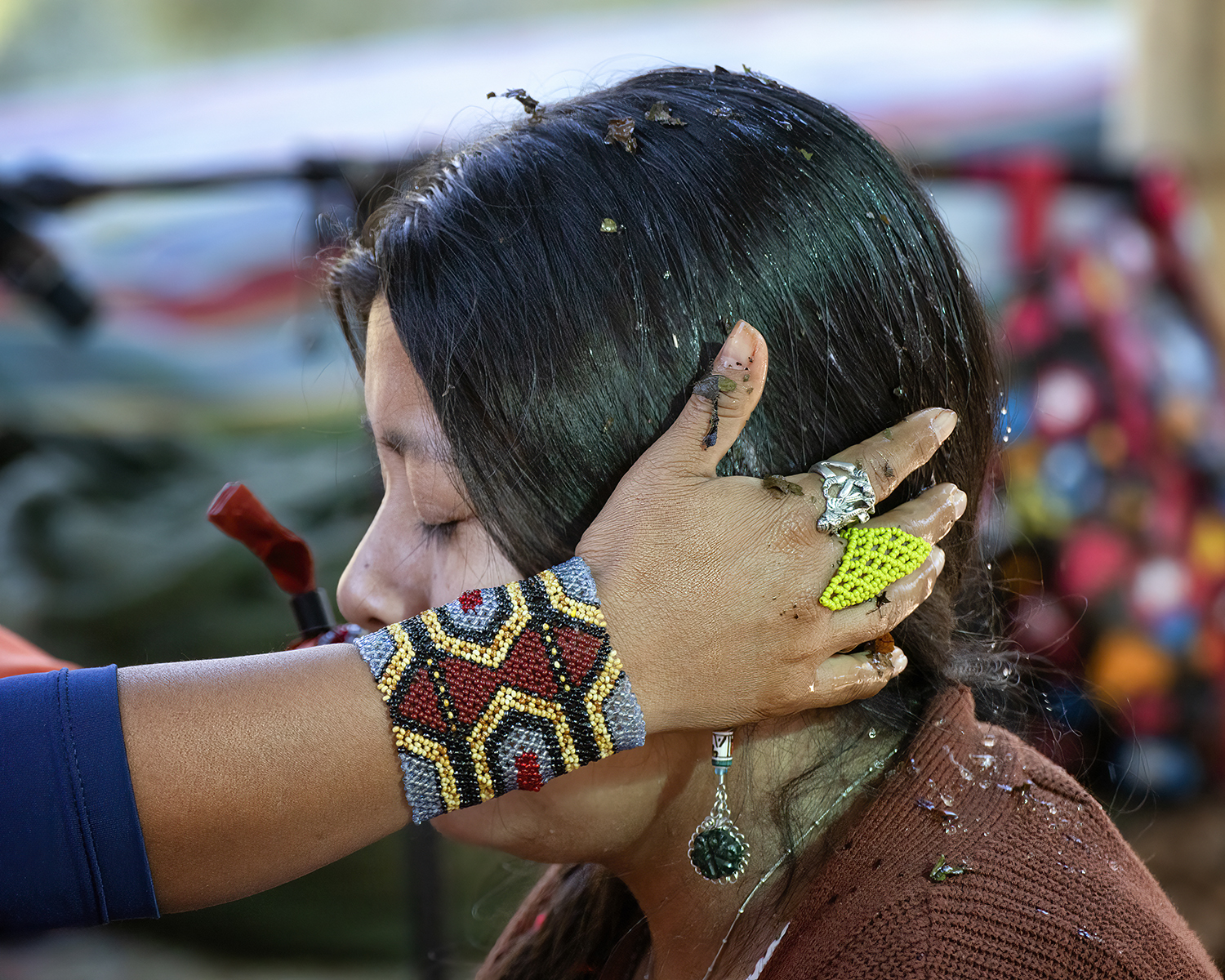
The first session I was assigned to shoot was a Water Ceremony for Healing, led by Chief Edina and Mukany from the Shanenawa people of Brazil. They are sisters. Chief Edina is the chief of her village, and Mukany is a master Shaman. They brought dried herbs from the Amazon jungle and mixed them in water. As Chief Edina sang, Mukany had people sit before her, one by one, and she dipped her hands into the water and poured onto each head, using her hands to stroke the sides of a face or direct healing wherever needed. I took my turn. It felt sweet and tender to have these women care for me in that moment.
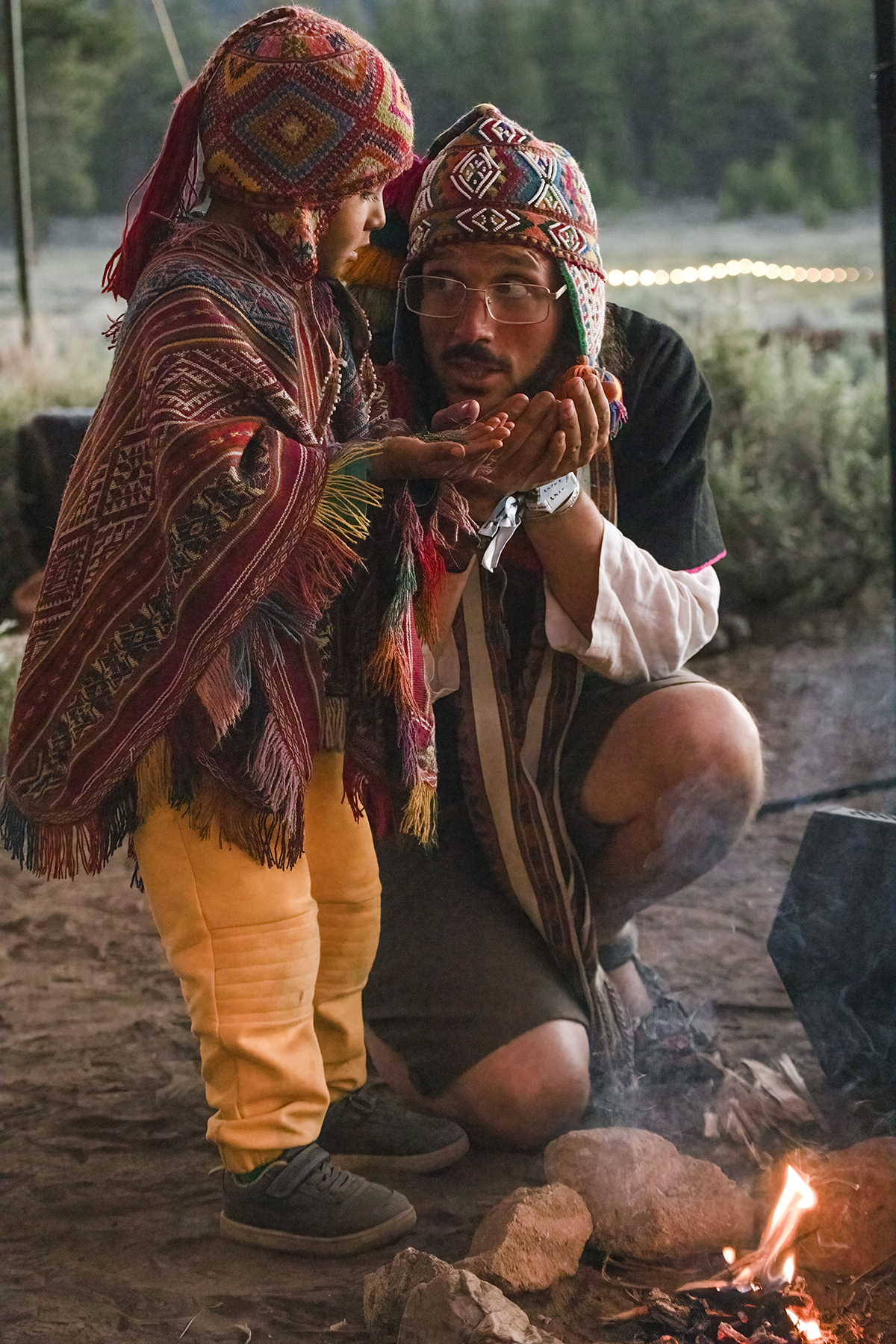
The other healing ceremony I covered was called Hampiy Q’onyay led by Inka T’ito and Willkapicchu Ttito Kuntur from Peru. I watched the ceremony, which has been used for thousands of years, and it made so much sense. Considering these Indigenous people have been healing for long before the advent of modern medicine, this was a great example of the old informing the new. The ceremony included picturing your problem, giving it shape and a name in your mind, and mentally focusing on blowing it into your hands, gathering it up, and dumping it into a pit with prayers of gratitude for the lessons it has taught you. There was a bit more to it, but there was so much wisdom and sense here, with many parallels in modern thought. Amazing to see. I love examples that connect us across time and culture. We are all so much closer than we think. They finished by giving huge hugs to each participant who wanted one, the joy of connection obvious on every face.
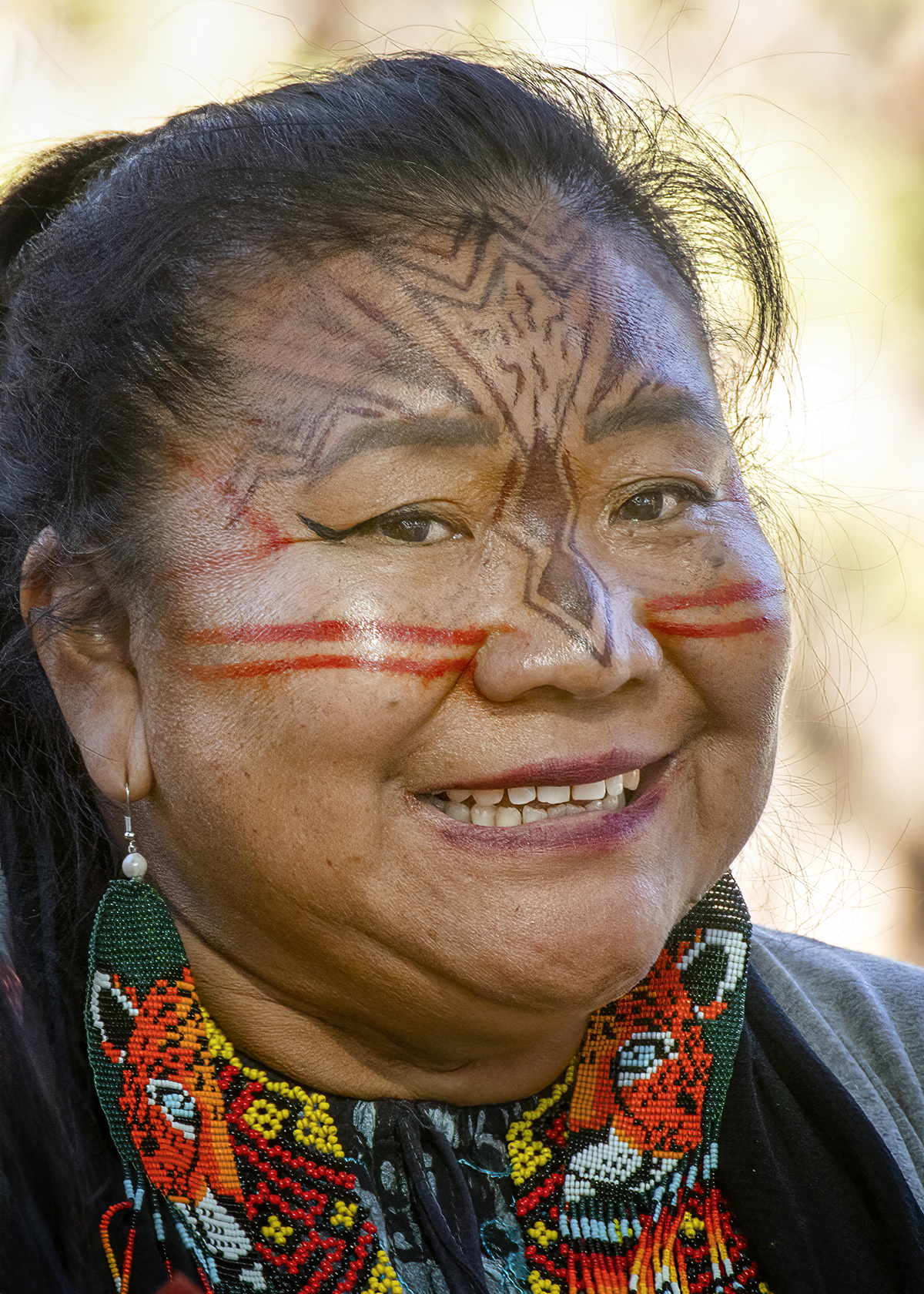
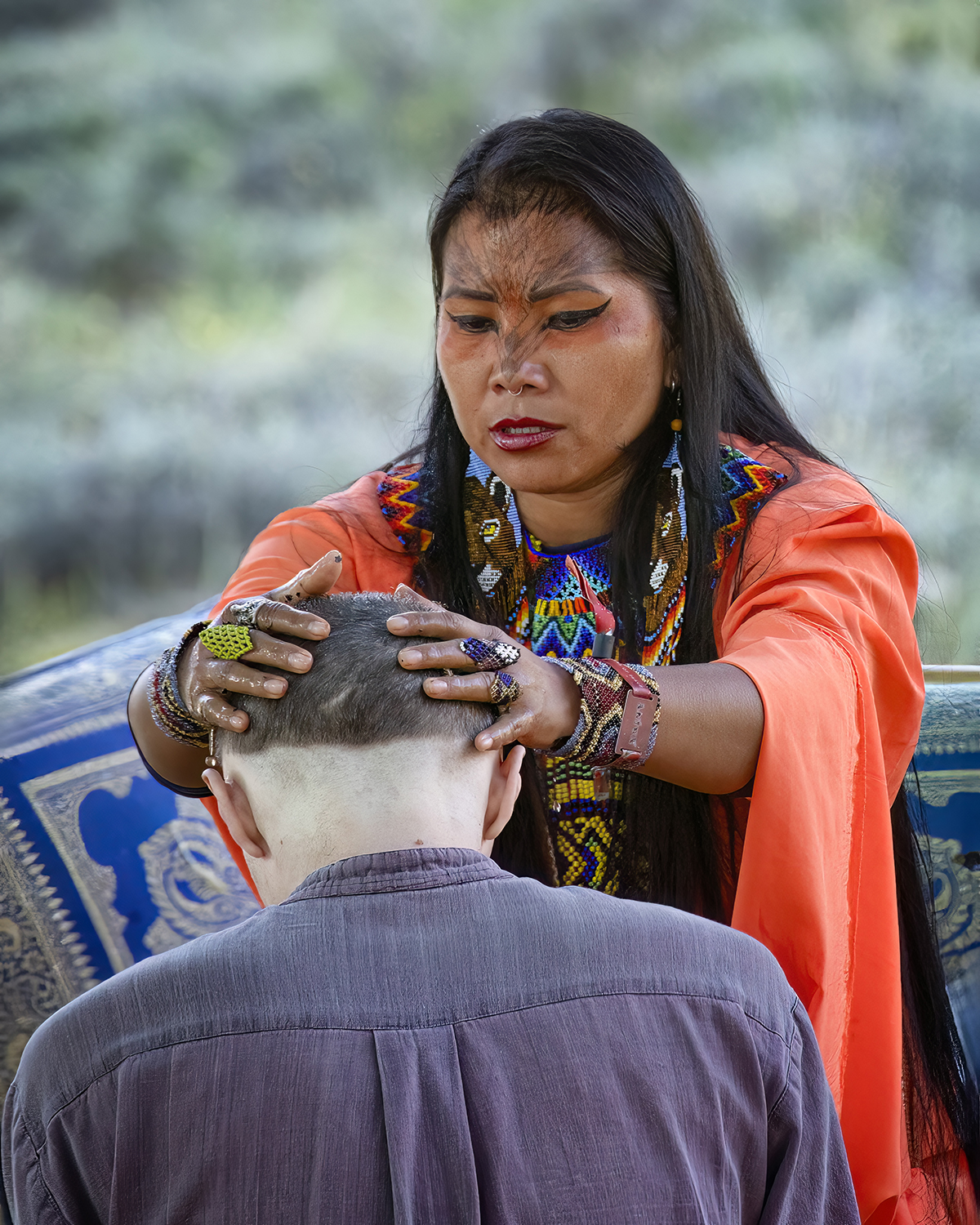
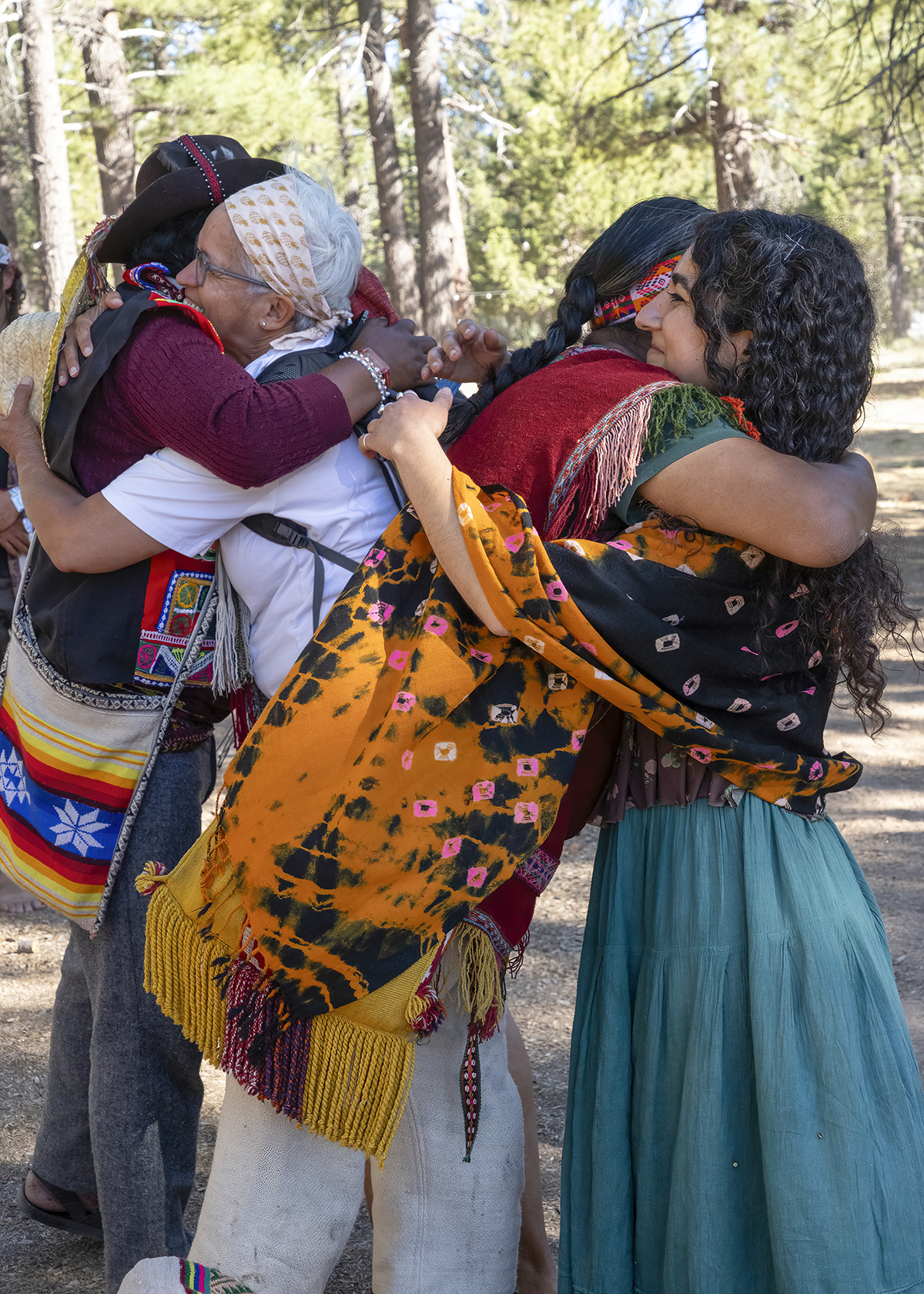
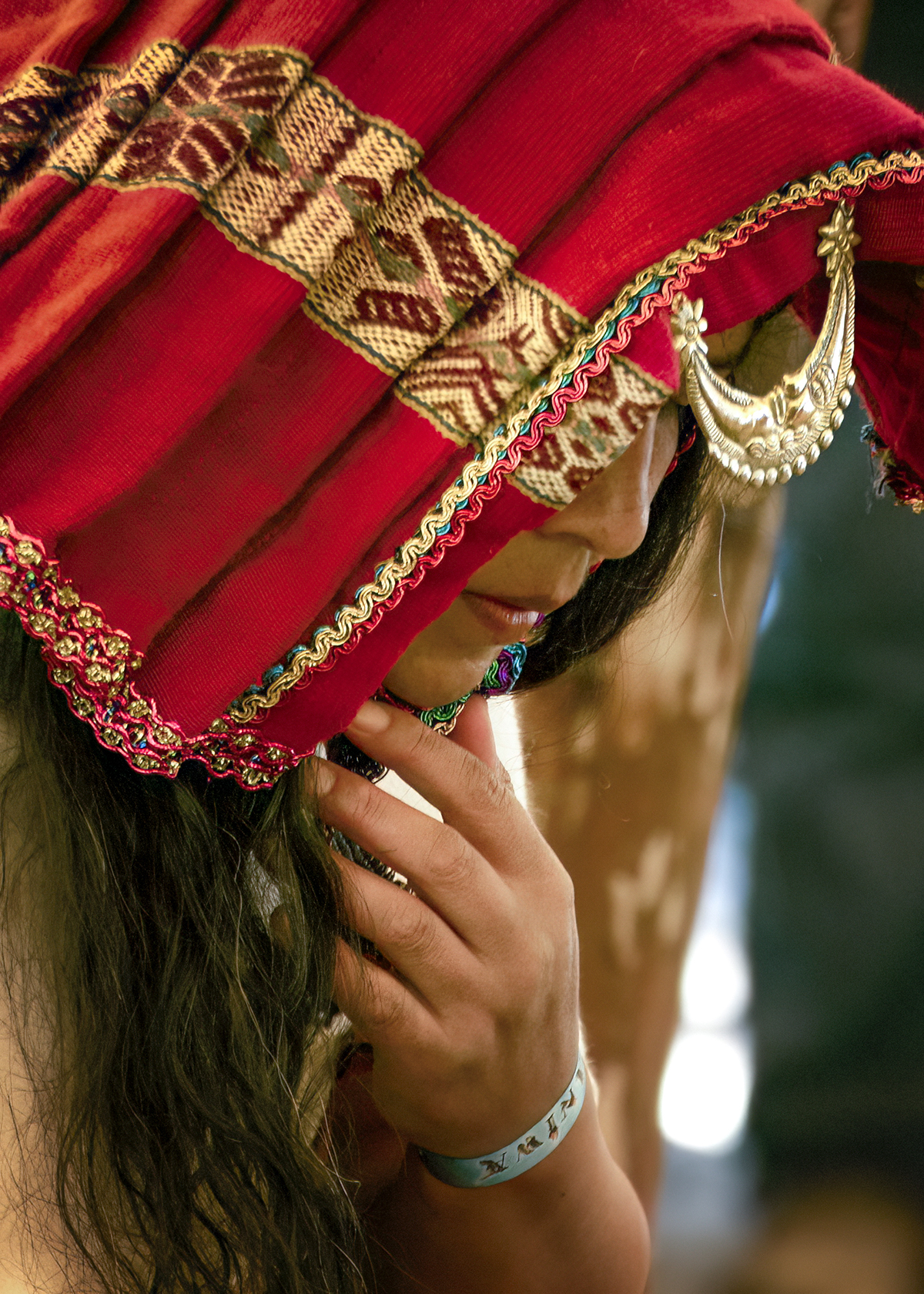
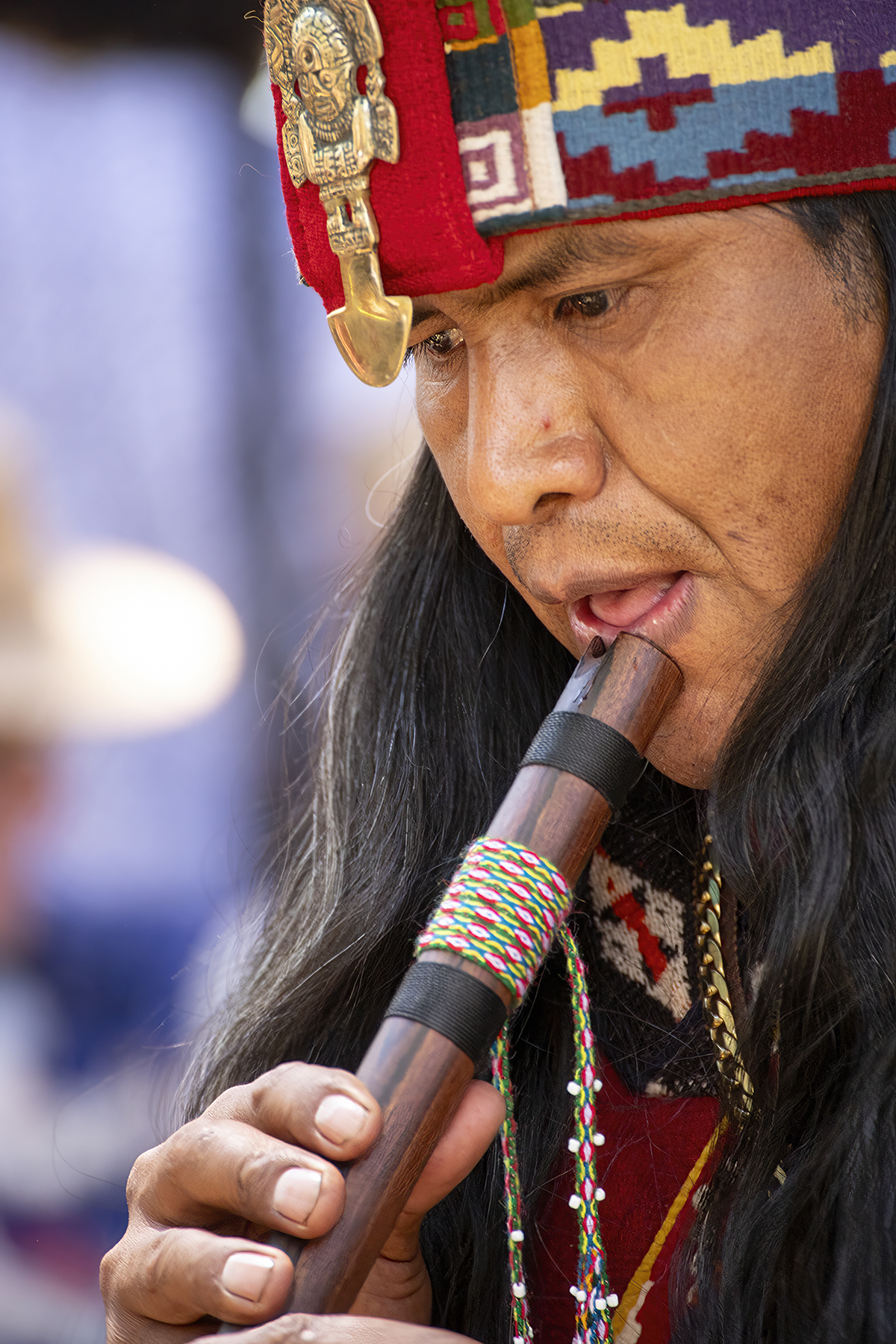
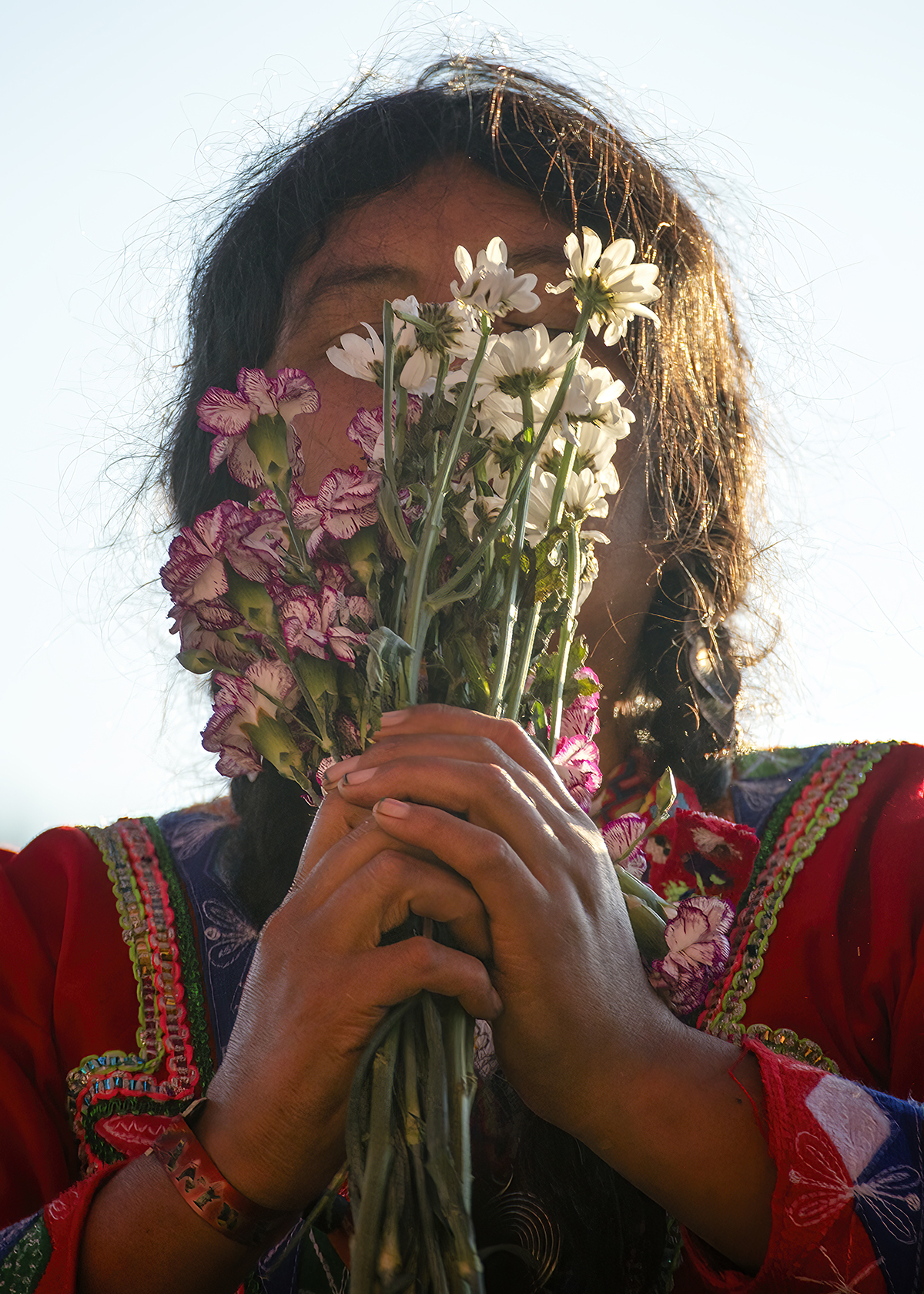
Inka T’ito and his wife, Mama Qori (medicine woman and teacher of Inka tradition), led another session I photographed. This one was about the Duality of Nature and your partner being your chosen duality. They encouraged partners to look each other in the eyes, listen to each other, and give each other strength when they have to walk through dark places, even from generations ago. They spoke of forgiving yourself, each other, your parents, and past generations. Holding hands to connect your duality when you’re angry. When in conflict, connecting with the sun and earth (nature) to get your energy right and find new thoughts and new inspiration. Again, so much wisdom. Again, so many parallels with modern thought. They had couples do a ceremony and practice these things, apologizing, reaffirming their connection, and choosing each other again. It reminded me of marriage conferences that Mark and I attended when we were newly married.
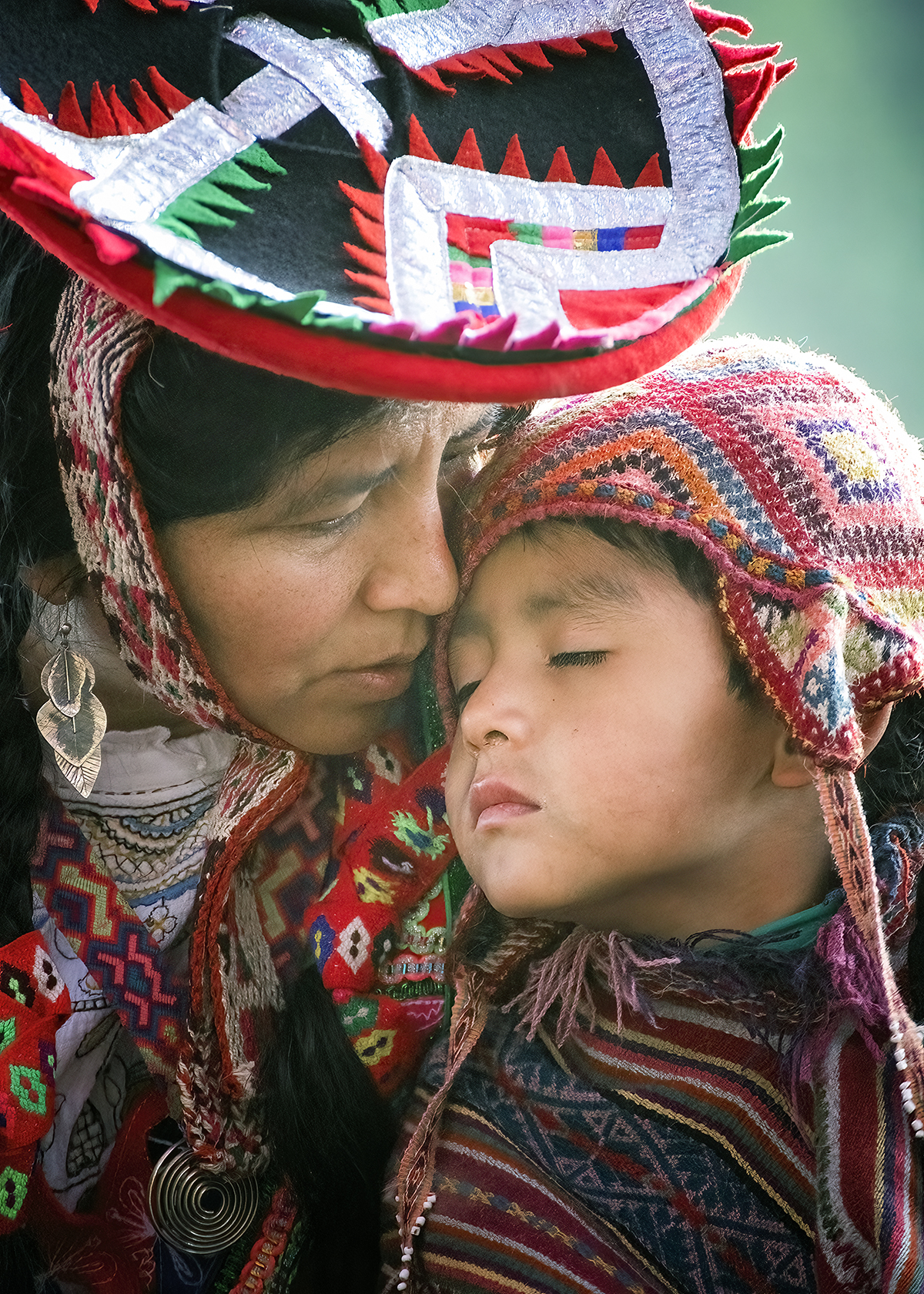
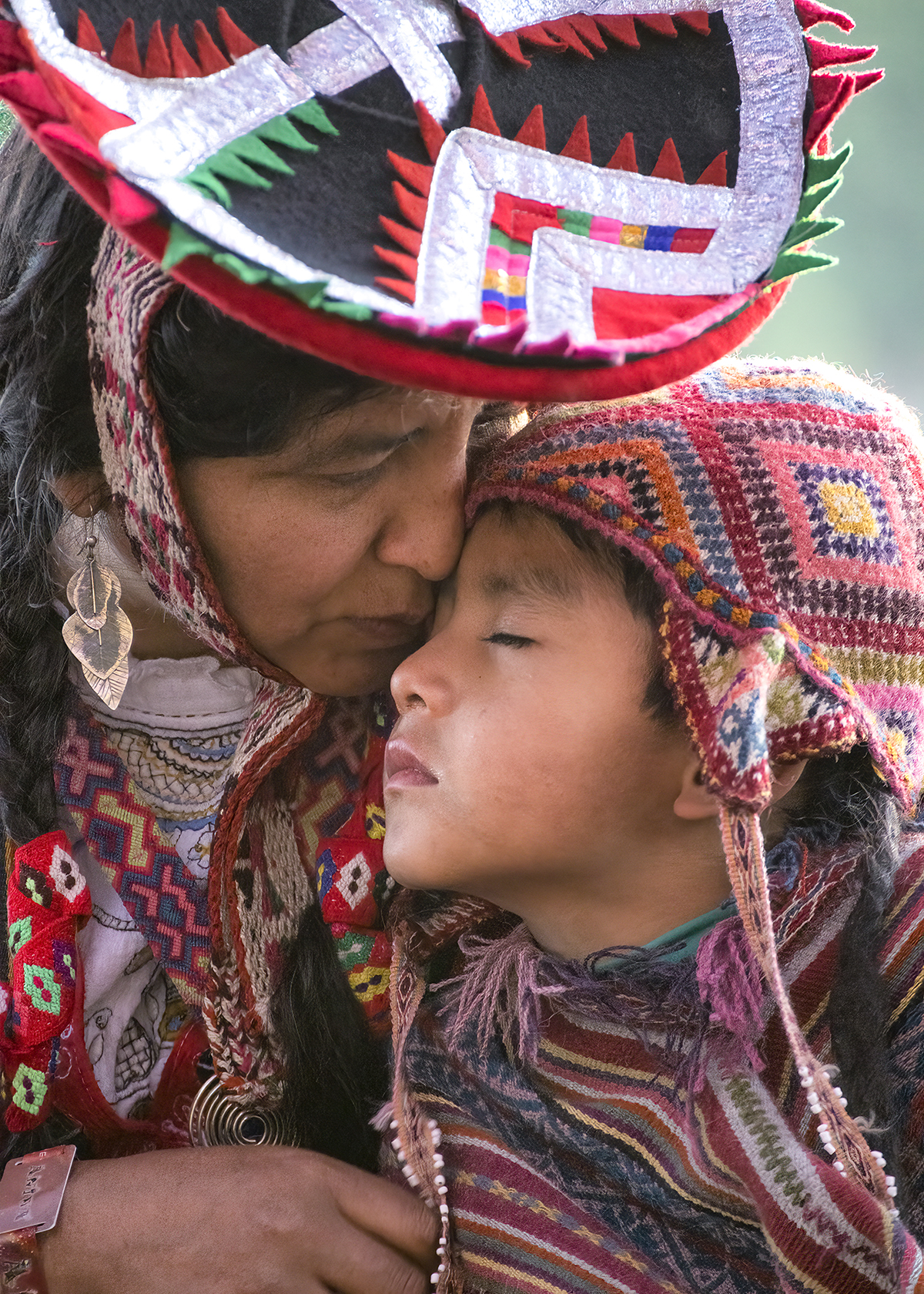
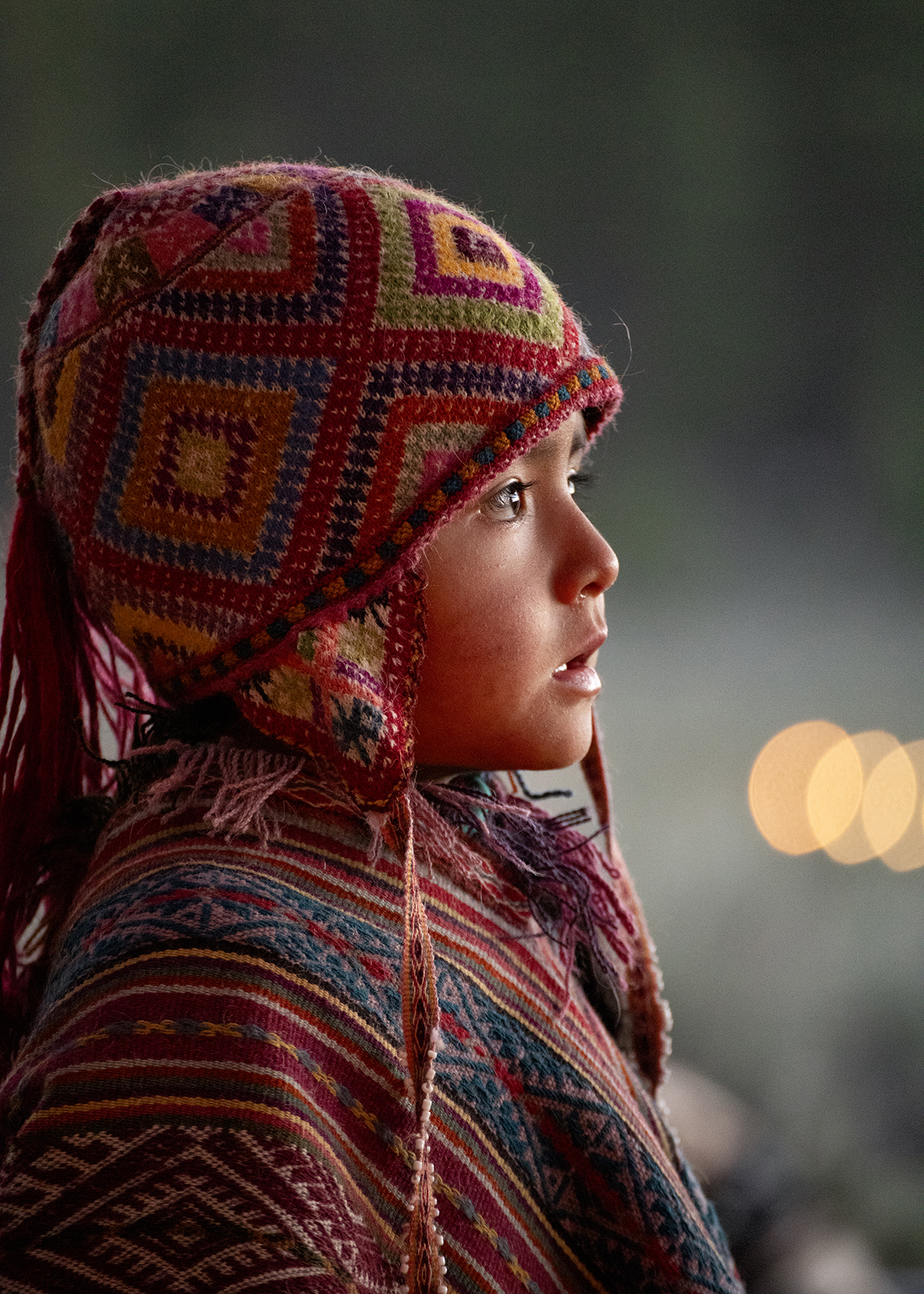
I captured sweet photos of Inka T’ito and Mama Qori as they parented their young son. He is around 4 or 5 years old, and as one parent was occupied teaching, the other was minding him. They were such calm parents, and he was a cutie. I love the photos I caught of them loving him and teaching him some of the rituals.
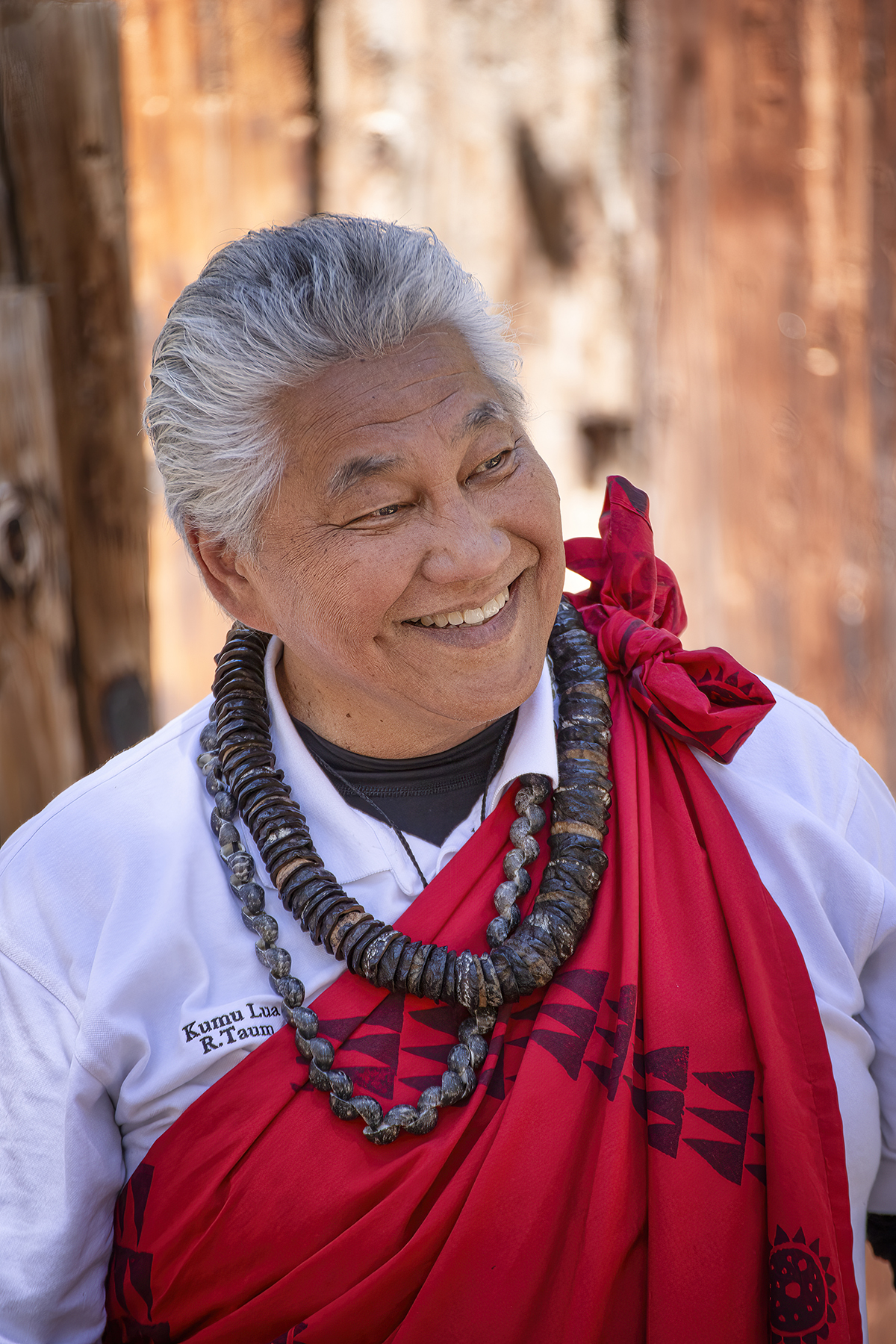
Kumu Ramsay from Hawaii was also a delight; casually dropping truth bombs like “violence is the lowest form of communication.” “It means I’ve failed in words, emotions, and communication. Ironically, we are living in the highest time of available communication, but we’re using that to encourage and execute the lowest form on others: violence. And we have no relationship with the consequences.” Or “We are rarely ever where we really are. A lot of us are stuck in the irrelevant. If you’re not here, you’re not here, and pretty soon, you won’t be here.” He mixed in funny quips with a twinkle in his eye and spoke of the warrior way and balance, all while demonstrating fighting techniques without ever taking his eyes off the audience. He was being attacked from one side or the other and would calmly end up with his assailant in a headlock. Amazing.
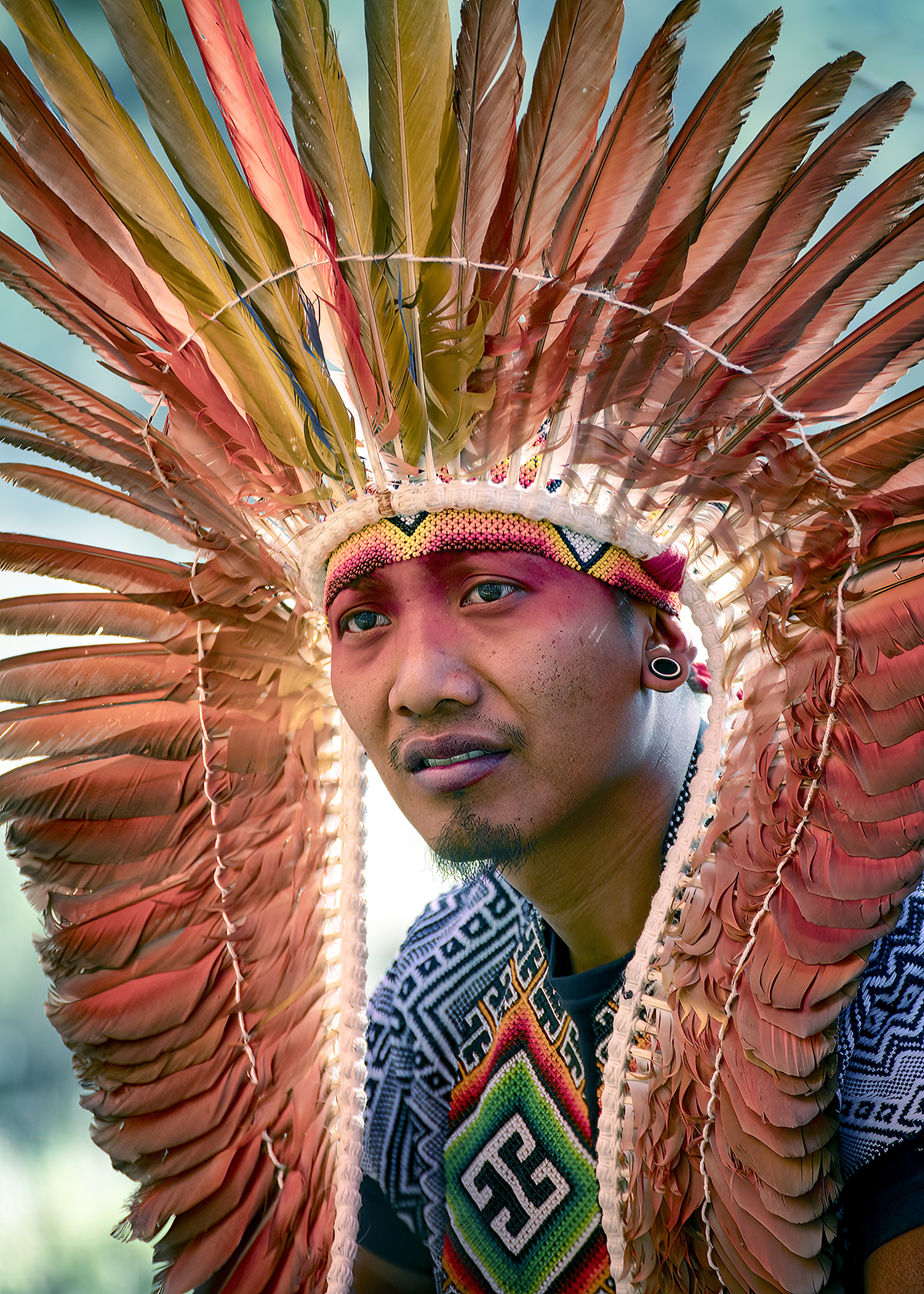
Two Huni Kuin men, Bixku and Nawa Sia, from the Pinuya village in Brazil, shared an ancient story, the traditional story of Nixipae (Ayahuasca) from the Huni Kuin cosmology. They said it was a pleasure to share their culture and customs, tales of medicine, sacred songs, and stories, which were kept secret for generations because missionaries forbade them from telling them. They said other cultures suffered that same fate, and some have almost vanished. They are grateful to their ancestors for maintaining these tales, so they have access to them now.
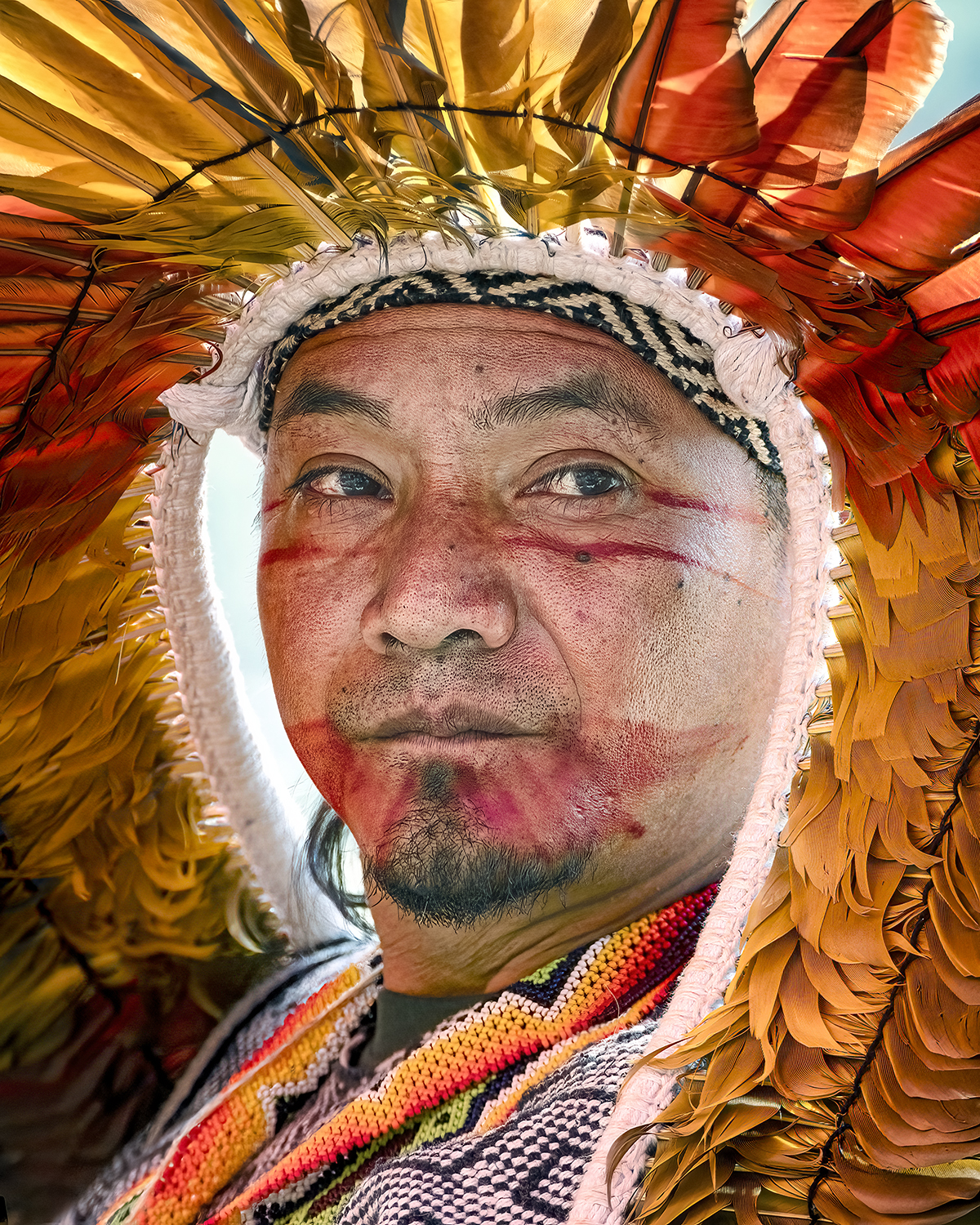
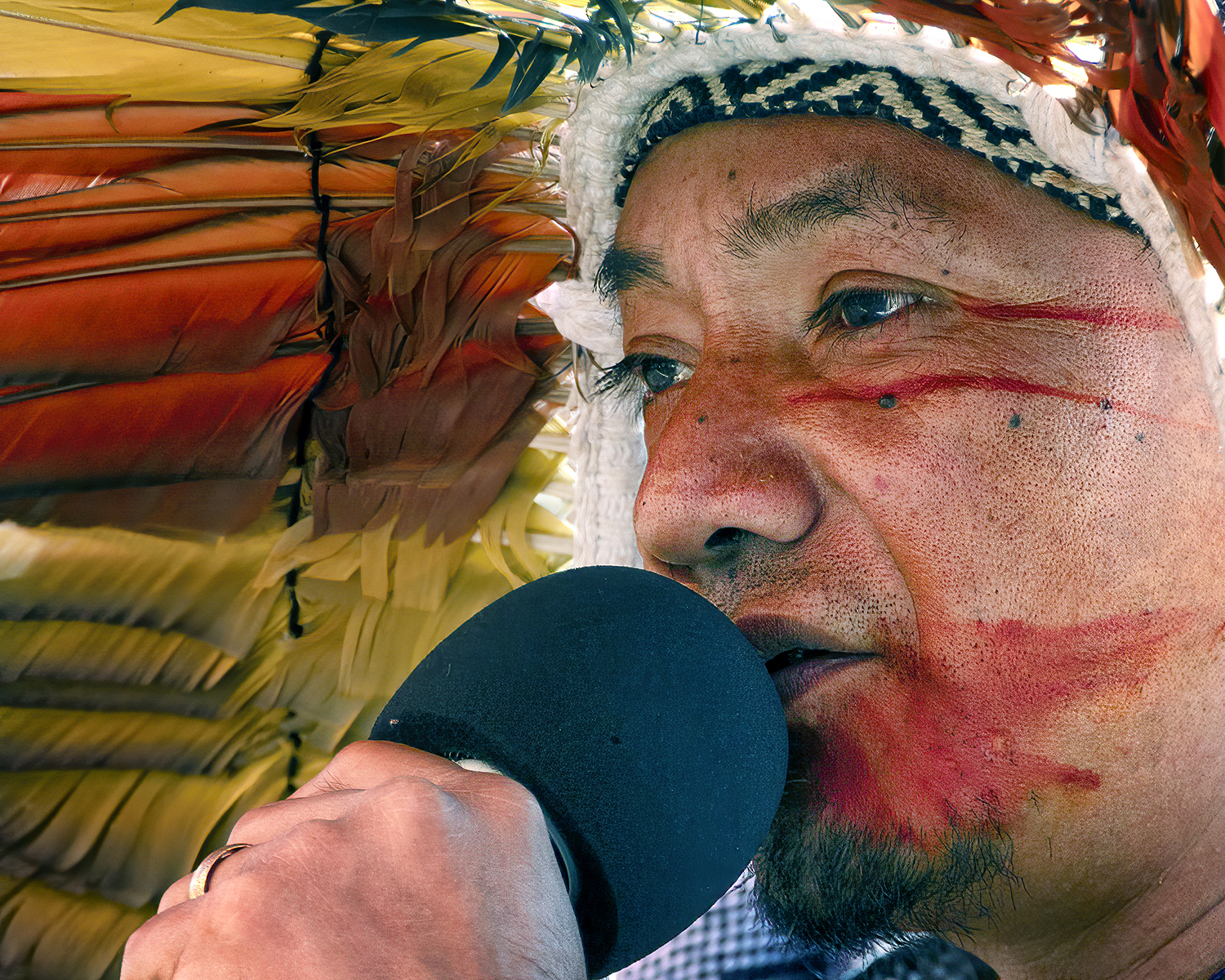
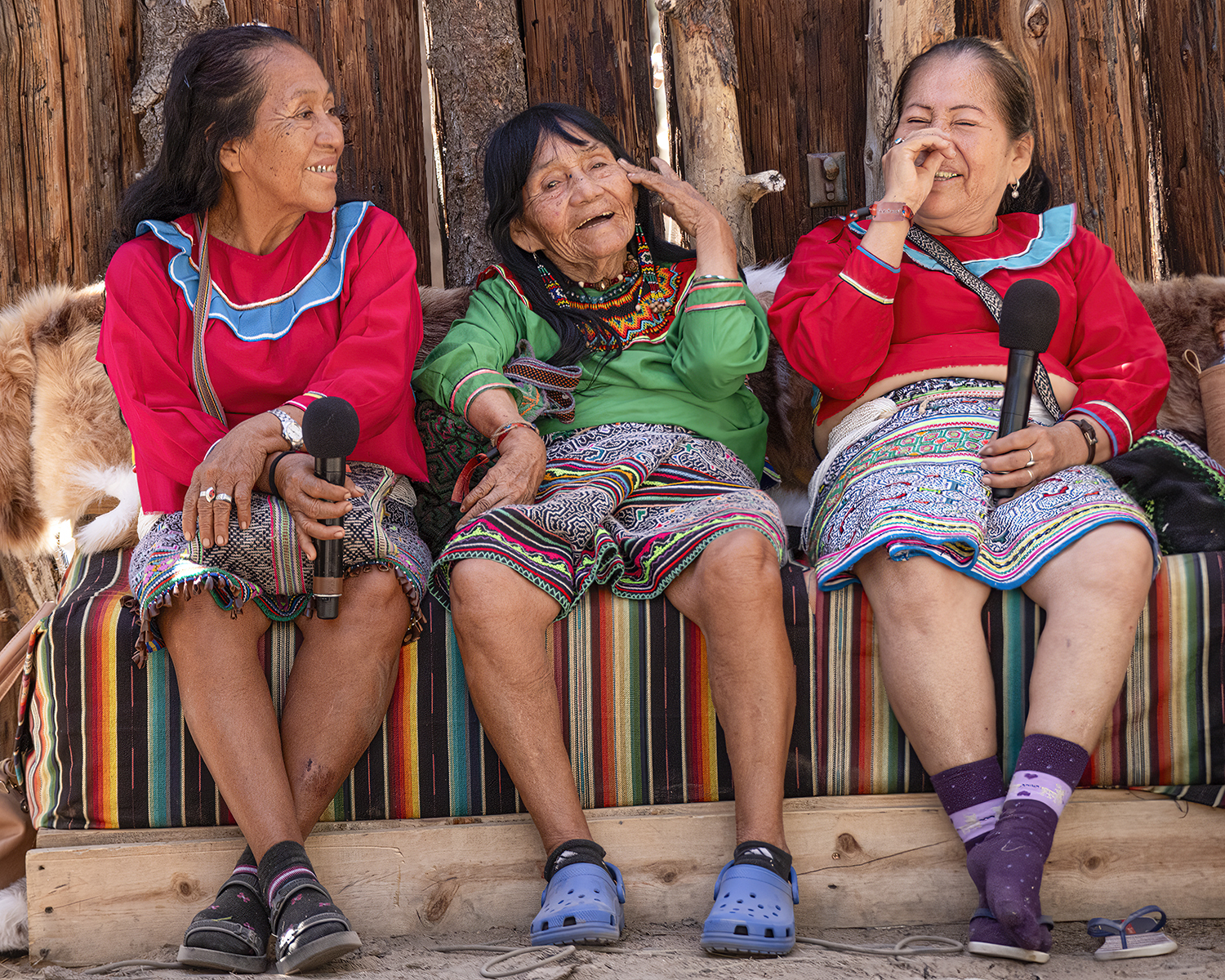
The Shipibo Maestra’s from Peru (mother and daughters) spoke on their plant diets and years of training and healing. The Inkas from the Andes, Mallku Inti and Willkappicchu Ttito, led a ceremony to call back pieces of the spirit that get lost when someone is scared or loses a loved one (anyone see parallels with therapy?). Chief Edina and Mukany from the Shanenawa of Brazil led a sacred dance. People had the best time! Mona Polacca (Hopi/Havasupai/Tewa and founding member of the International Council of Thirteen Indigenous Grandmothers) and Austin Nunez (Tohono O’odham) spoke of their fight to restore water to reservation lands in Arizona. They were promised healthcare, education, and water on the reservation. The river and wells dried up. They fought through the courts for 23 years, believing the Creator would answer their prayers, and they won back water rights. Walking past one stage, I heard Milton Gonzalez, a Bolivian of Quechua heritage, talk about how his people had rituals to worship life, nature, the elements, and light. Then, the white man came and took away all of their traditions and rituals, saying they had to do new rituals to worship a dead man. There’s a powerful perspective.
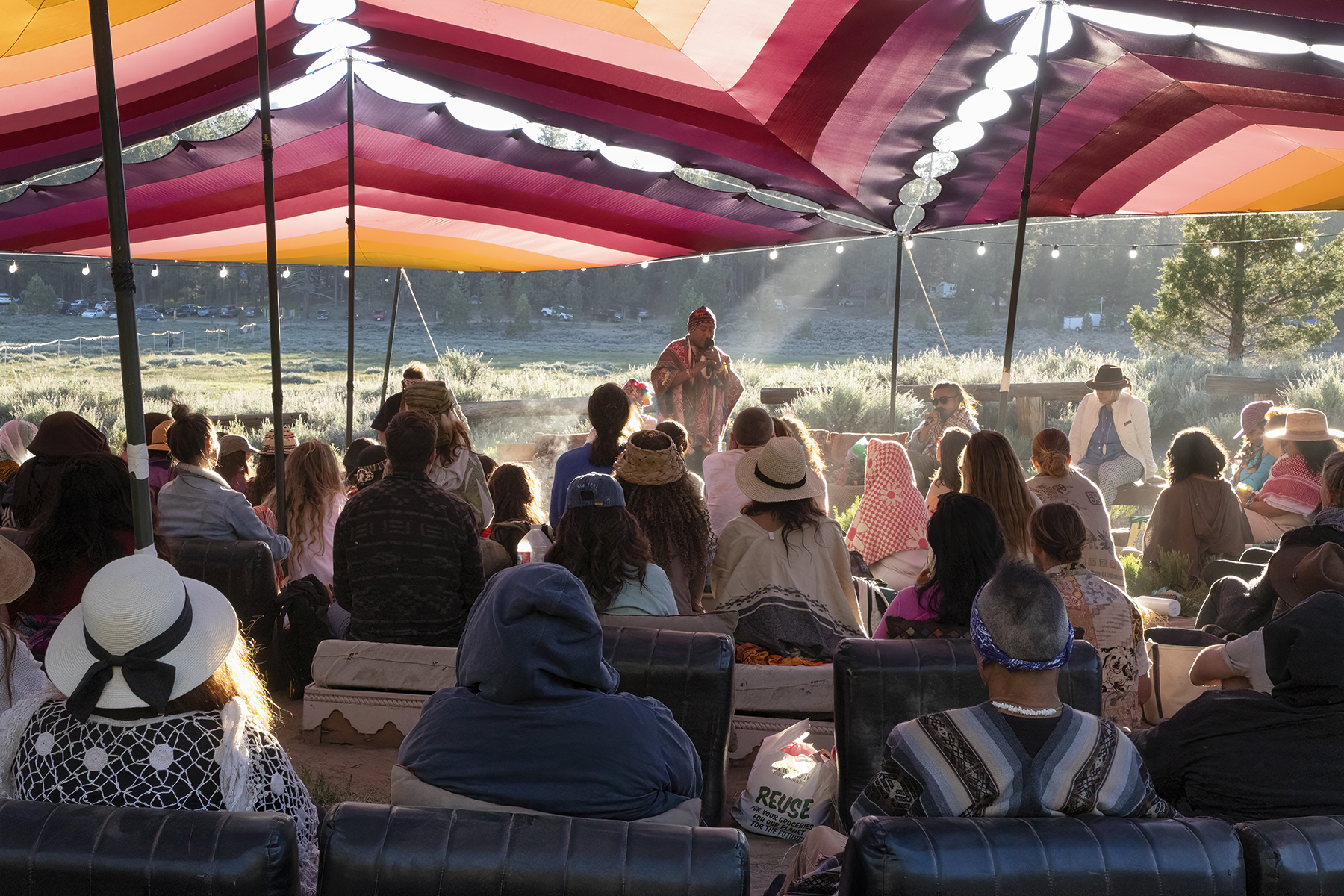
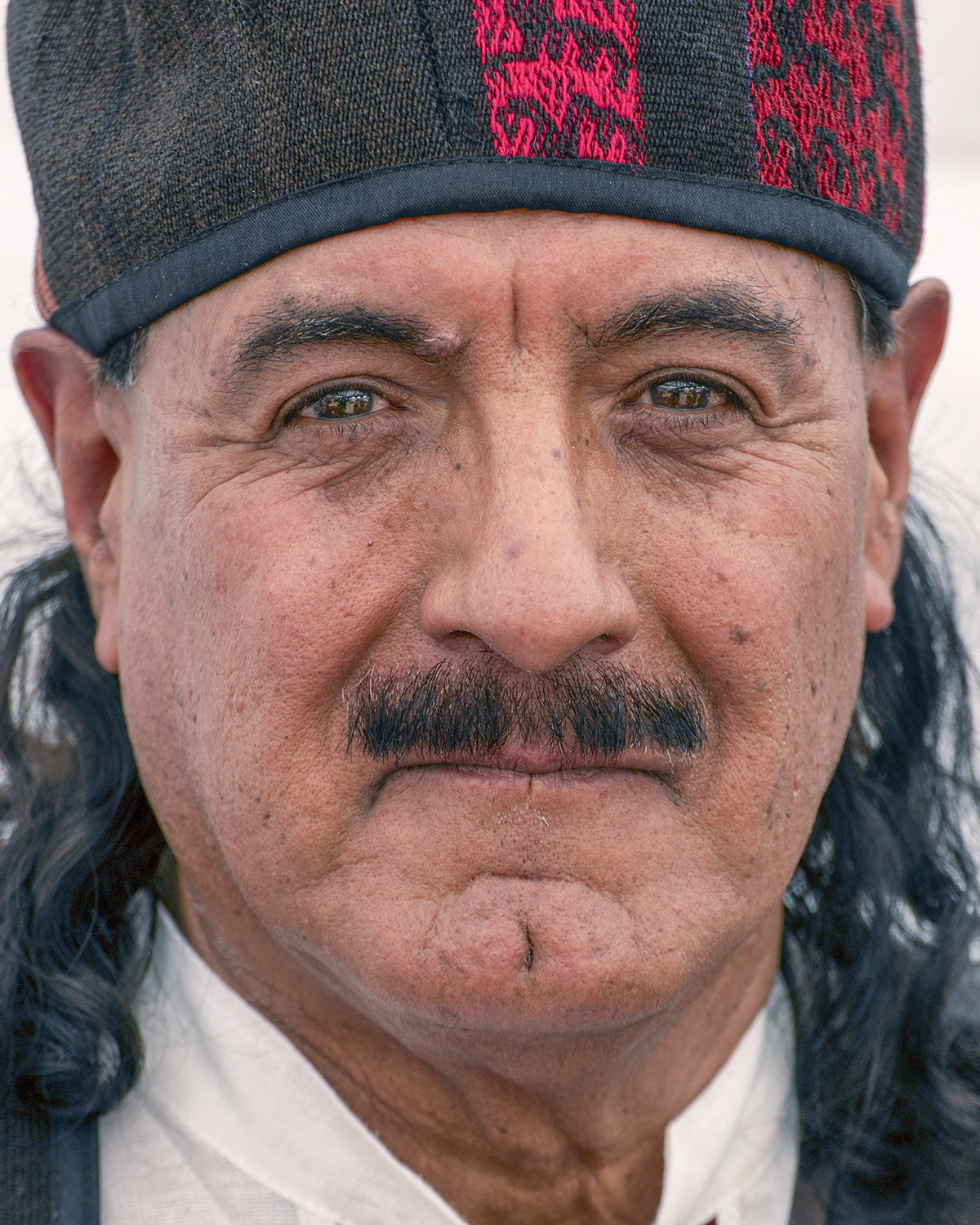
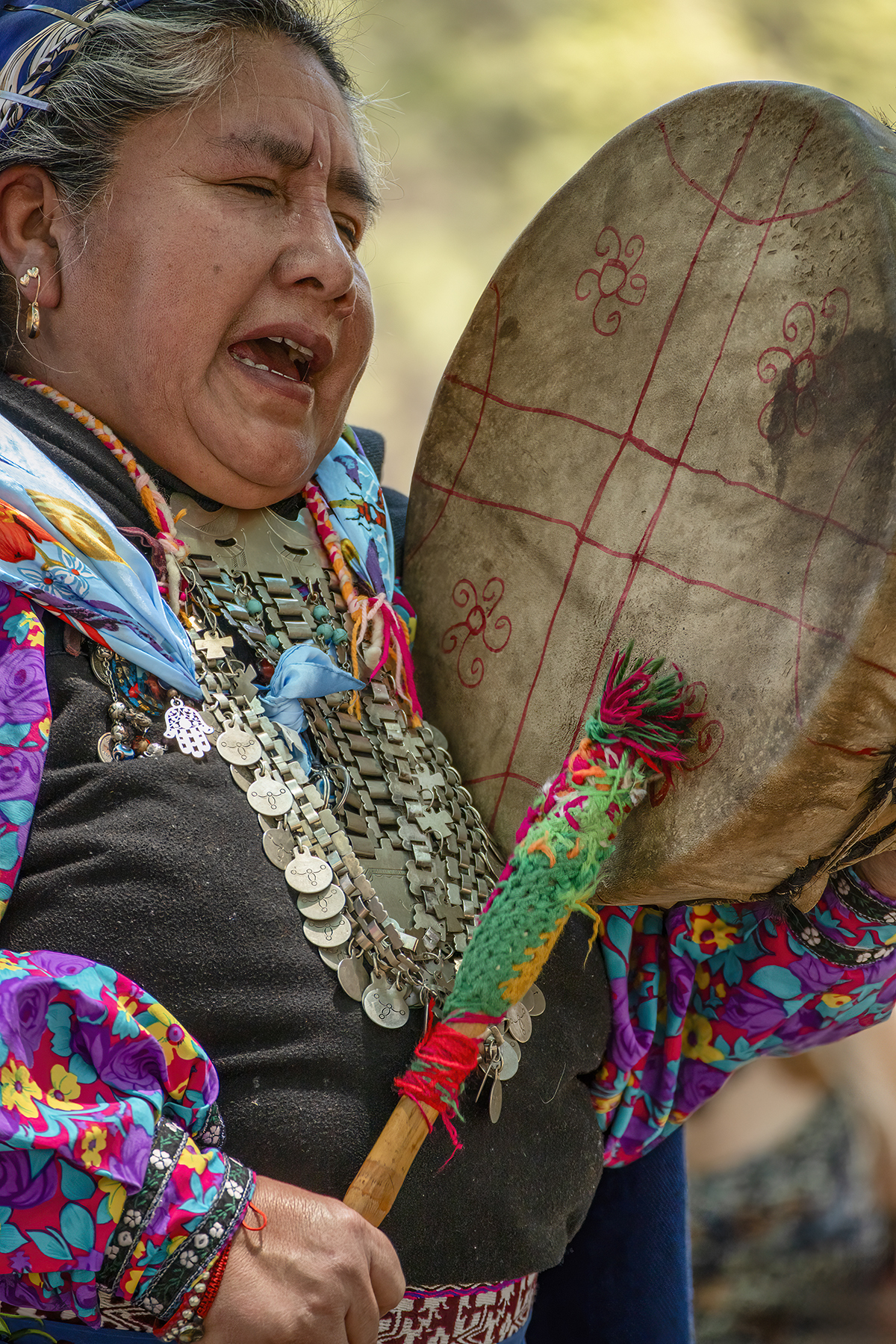
Photographing two sessions with Chief Raoni Metuktire from the Kayapo people in the Brazilian Amazon was a profound honor. This 92-year-old man is a Nobel Peace Prize nominee and is a living symbol of the fight to preserve the Amazon rainforest and Indigenous people. He wears a lip plate to indicate he is ready to die for his land. His grandson translated his words into Portuguese, and then a woman translated them into English. He apologized for being a little tired. He was recovering from pneumonia but said the Creator held his hand, embraced him, and brought him here to speak these words to us and be with us. He said he was there to share his wisdom and thoughts with love and care for each of us. I adore him. His story has been told in documentaries and he has met with leaders worldwide to share his message. Here is what he told us.
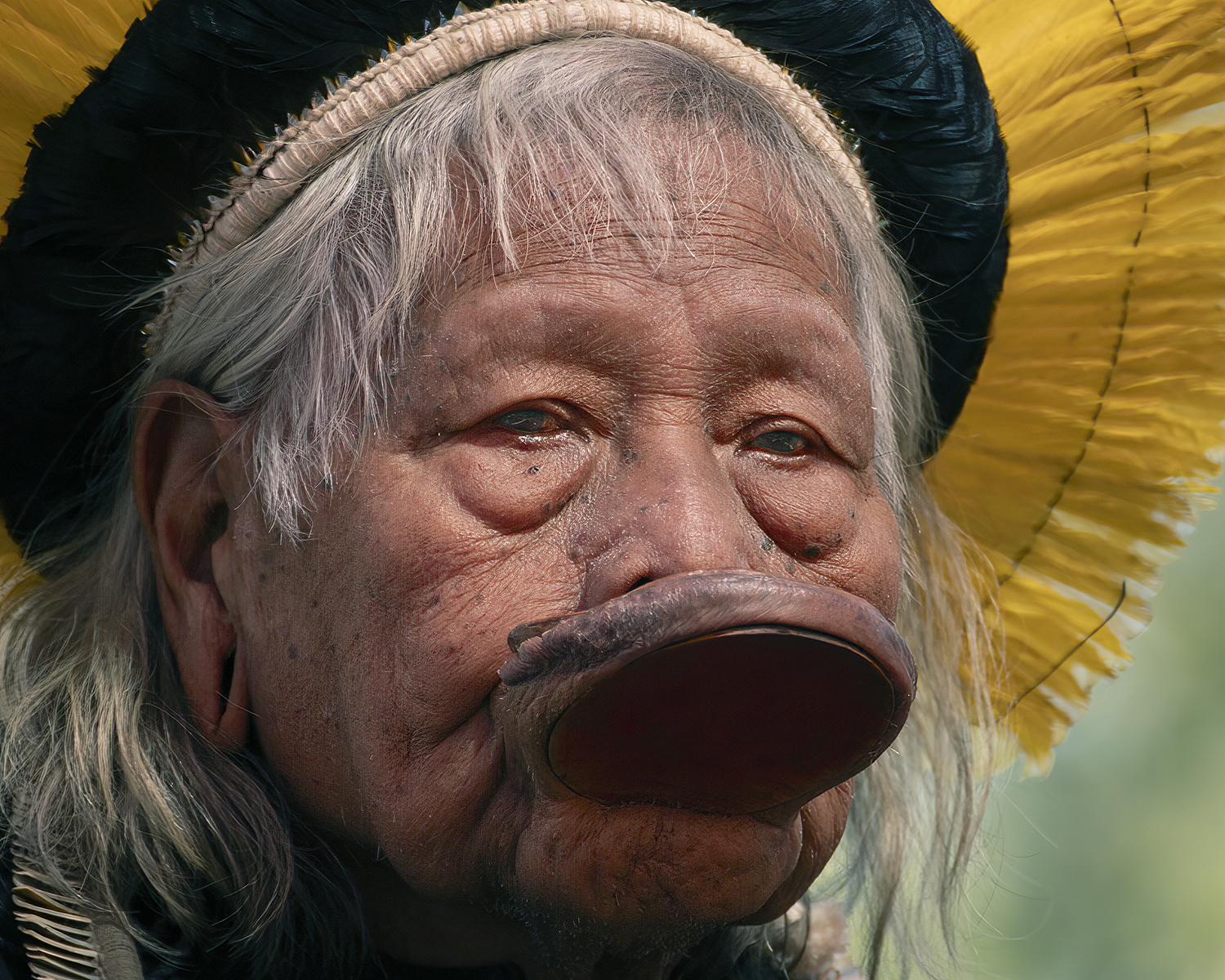
When he was a boy, the forest was healthy, and they moved around, living on all the land.
As a young adult, he met the Villas Boas brothers, white men, and accompanied them, helping to demarcate the territory. His father advised him that as he traveled with the white men and they made contact with other indigenous people, to avoid conflict. He said they were one family. So with his father’s advice, he met many other tribes in the area and was always seeking to connect in a good way.
They formed an outpost named Leonardo. This was where the tribes began to work together.
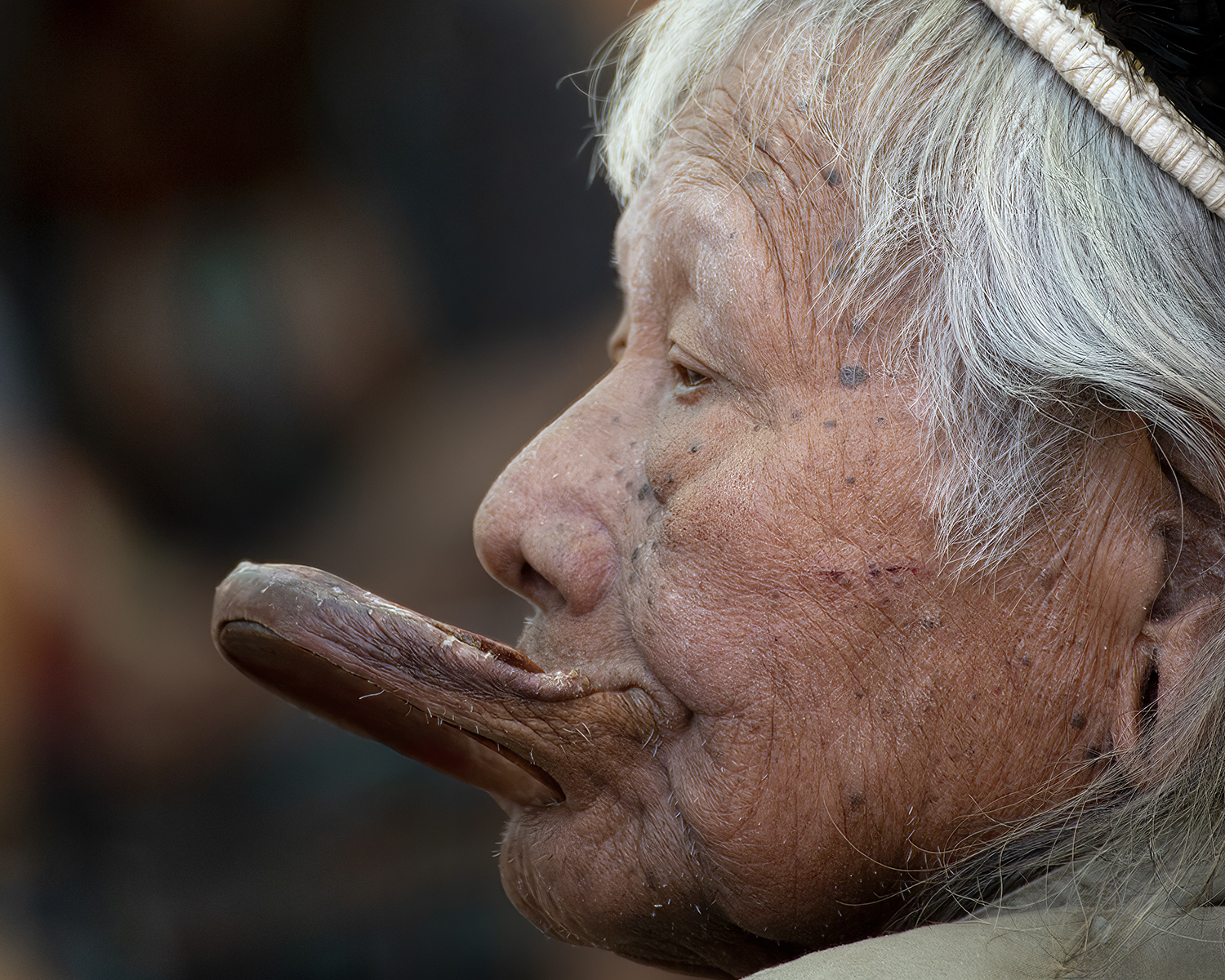
His first goal was to learn Portuguese. Claudio Villas-Boas had asked him what do you want as a people. Chief Raoni couldn’t express an answer well, so he remained silent. (There’s some food for thought: how often has that happened as cultures have met up? And then silence or confusion is used as an excuse to do whatever?). When Raoni began to understand more Portuguese, he was ready to answer. He said the people want respect for all who had been there before. They wanted respect for who they were and their traditional ways. They want to speak their own language and eat the foods they want. But he had to learn Portuguese first.
Before meeting up with the Villas Boas brothers and demarking indigenous territories, the people were considered “contacted” by white men, but they had all the forest. His grandparents would chase, kill, or capture white men to teach a lesson not to invade.
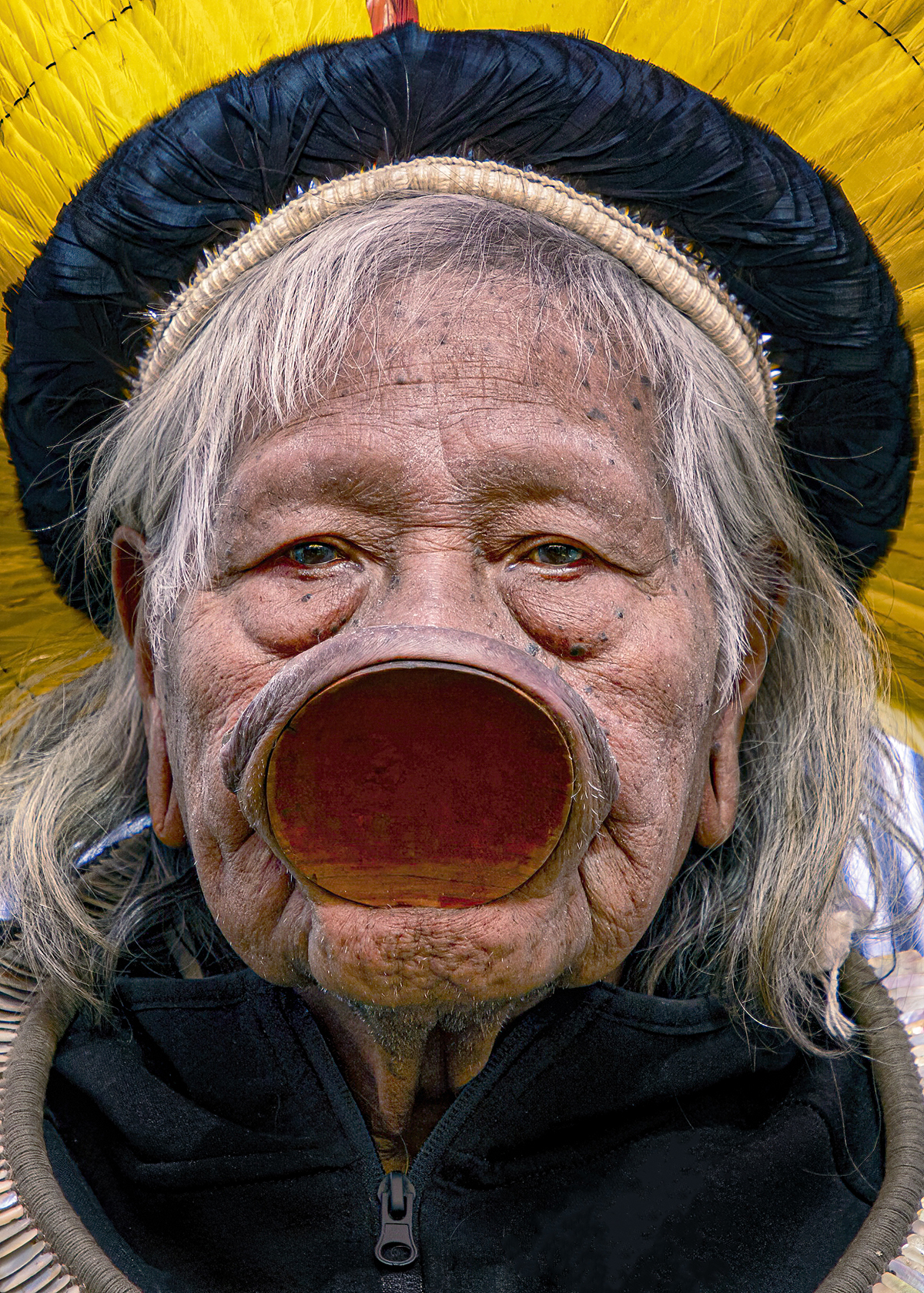
After the demarcation was done, Chief Raoni stayed with the Villa Boas brothers. They considered him a humble man but a leader. Claudio said to him, “Now we have demarked your territory; it is your role to protect it.” But another brother said, “No. You must defend all indigenous people.”
This is how Raoni began working on defending peace, life, nature, indigenous people, rivers, earth, and forests.
“My story is defense of peace on this planet.”
The Villas Boas brothers warned him that the white man lies; he promises big things and money but not to trust him. So Raoni always says he is not interested in whatever they are promising. But now there is a new kind of white man coming. They listen and communicate; he said he would work with them. Now, people who come they consider friends and allies; it’s a new time.
Chief Raoni said he spoke to the spirit of the wind, and the spirit of the wind told him that if we continue to act this way on earth, a strong wind will come and destroy everything. The spirit has been warning us; that’s why we’re seeing hurricanes ravishing the world. Raoni told the spirit that we still have time to change the world back to health.
He met with the spirit of the waters, and the spirit told him there was too much bloodshed and that the day might come when all the evil and dirtiness had to be cleaned off the earth. He said he had begun this cleansing with floods.
The spirit of the forest had the same message. Nature will punish us if we don’t act to re-establish health and peace on the planet.
But we still have a chance if we work in union and harmony. The forest is still breathing, and so are we. “This is what I wanted to share.”
The indigenous live between two worlds. They have a unique wisdom for living life in accordance with life on earth. The youth have access to things that haven’t belonged, like phones. But they are tools for communication and can play a role in sharing how the indigenous wish to live. (A big part of Aniwa’s mission is to preserve that unique wisdom.)
He wishes to preserve nature as beautiful and pristine as it is so it will continue to take care of us. He wishes this for future generations; they deserve a good, healthy life and to enjoy the earth as we have.
He has spoken to so many leaders, but some don’t understand. They think only of the present and not the future.
He considers us his children and grandchildren. He wants us to think, reflect, and dedicate ourselves to this fight. We must love and care for each other to live in peace and happiness. Fight for peace and happiness. He is here because the Creator is always watching us, and this is the Creator’s will, what he wants for us. He is here sharing his wisdom and thoughts with love and care for each of us. He is sending a big hug and a warm embrace to everyone here. (And he told us to get a good rest; it’s cold here at night!).
His grandson said his energy is enormous and the fuel that carries us. He’s a warrior, a huge reference for all of us. “We grew up watching him and now we’re getting old still watching him, it’s a joy. He leads by example and that’s why he’s here.”
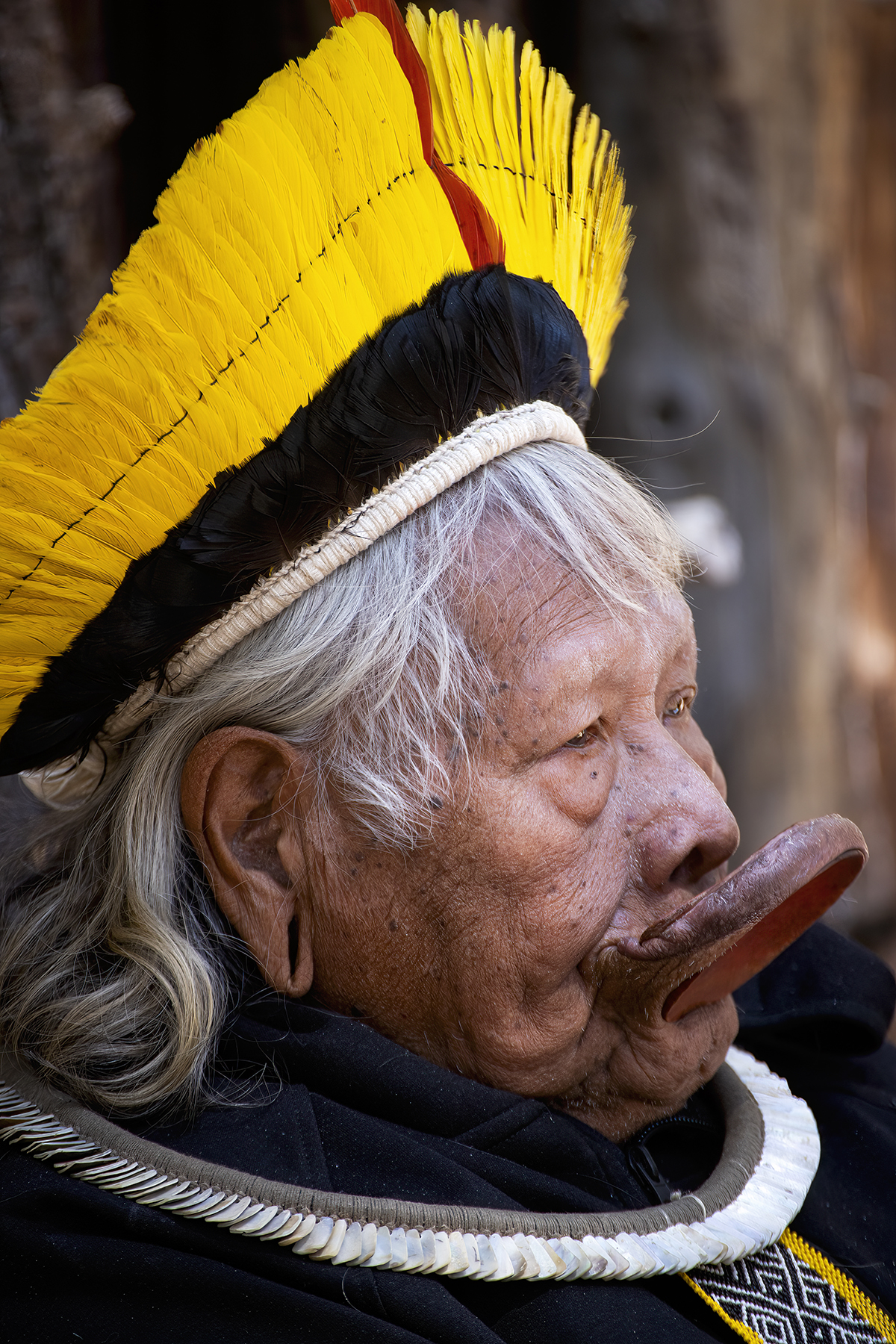
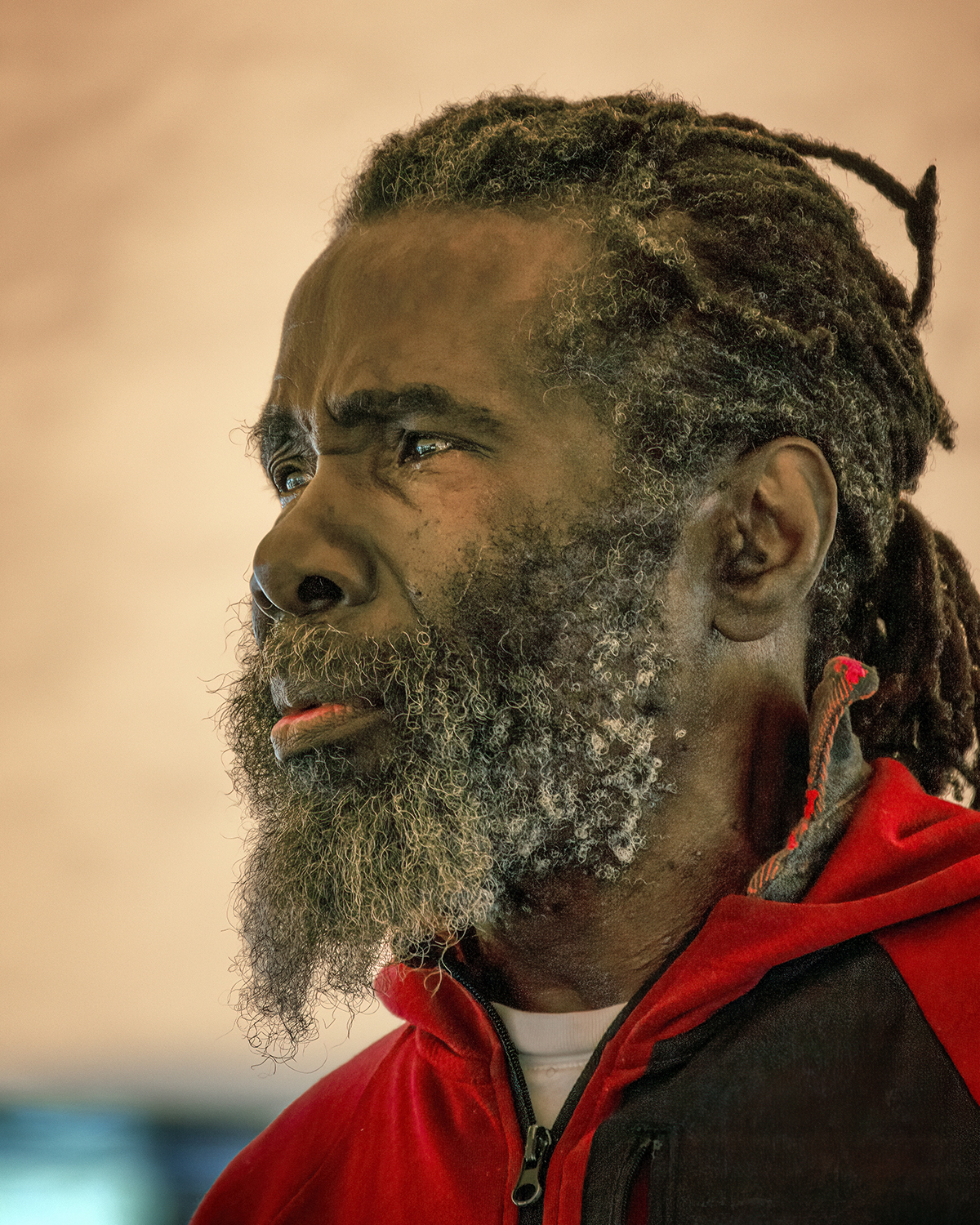
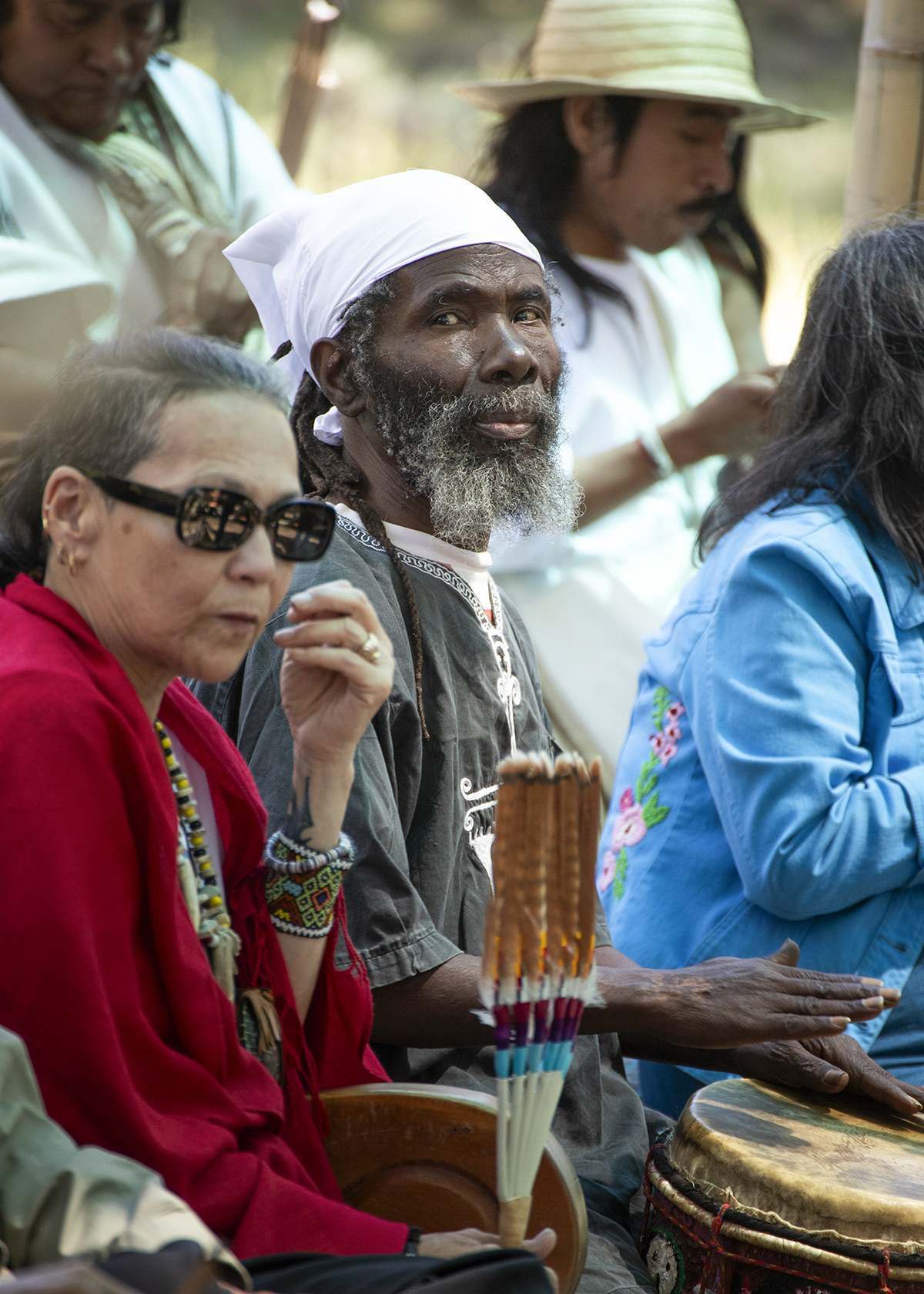
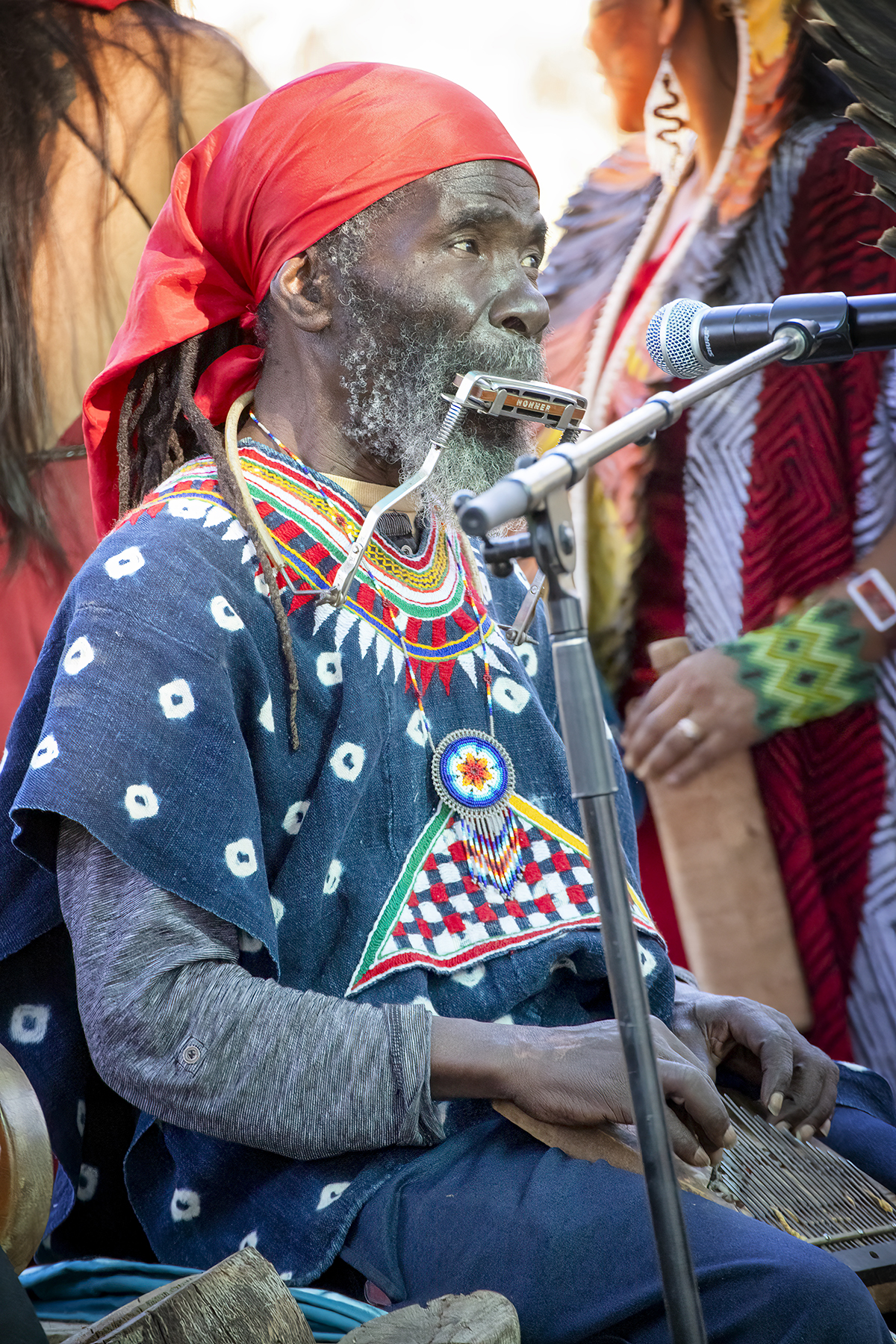
Bonga, Gaston Jean-Baptiste, a Haitian musical virtuoso and Voodoo priest, was my biggest surprise. I had all of the stereotypical ideas about Voodoo. Oooooh, creepy, right? Wrong. Bonga had the most sincere, sweet energy about him, and his music was amazing. He was unhappy about pre-conceived notions around voodoo and eager to share a different view. For him, it has always been about healing, being together, good food, good music, and a good party. I saw two of his ceremonies, and they were just that. People sat around a big fire and he played the drum, the harmonica, and the kalimba (an African instrument). There were some offerings like conch shell blowing and water and coffee around the fire, and some people got up to dance. Bonga would shout, “Ayibobo!” and the crowd would respond “Ayibobo!” It means hallelujah or blessings. Moments of joyous camaraderie! I was really tired one night after shooting all day. Waiting for the session following Bonga’s to start, I put my gear down and lay on my back on a hay bale. A breeze blew the pine branches above me, and Bonga played his beautiful music. It was profoundly peaceful and soothing, exactly what I needed. I crave it even now. Ayibobo.
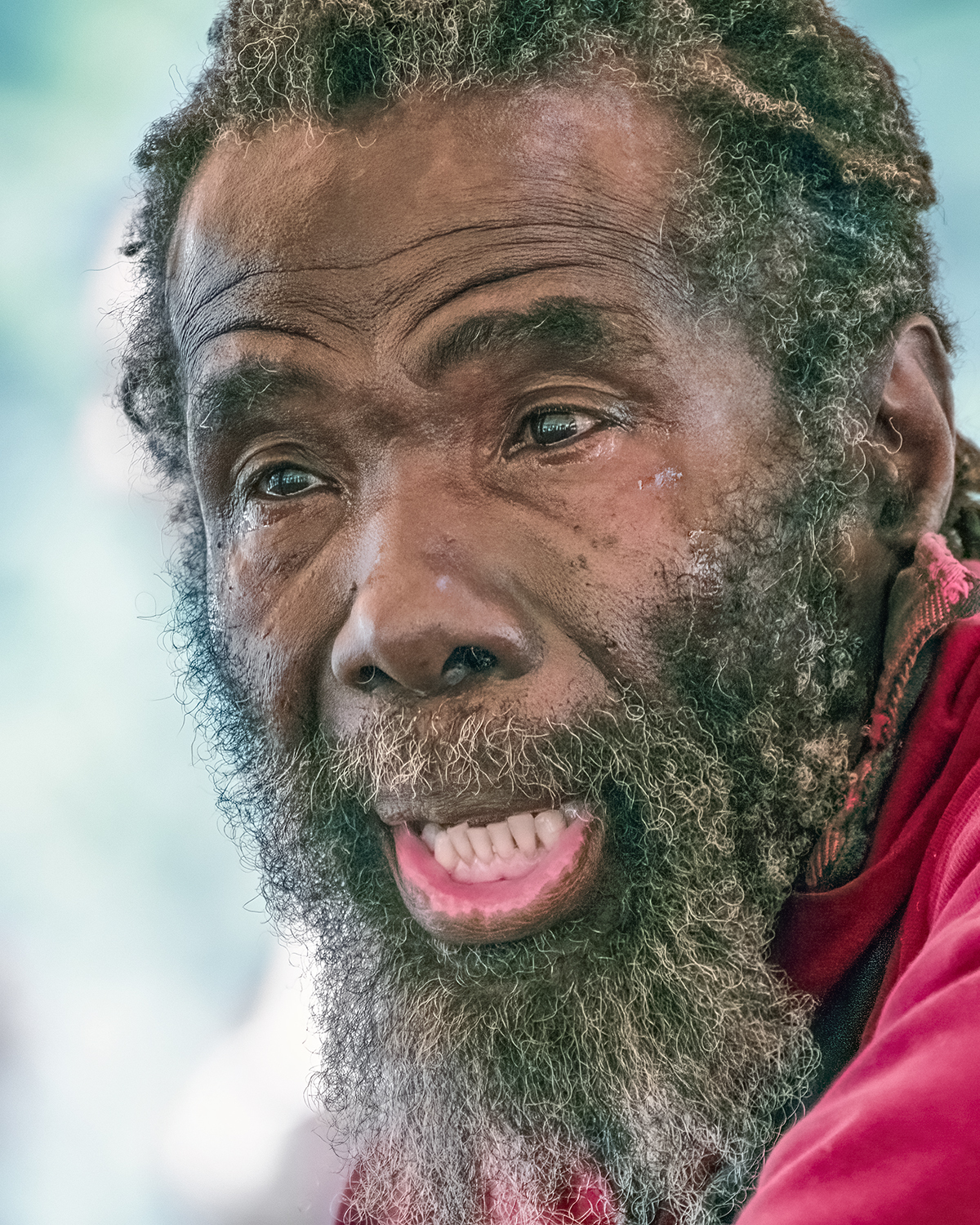
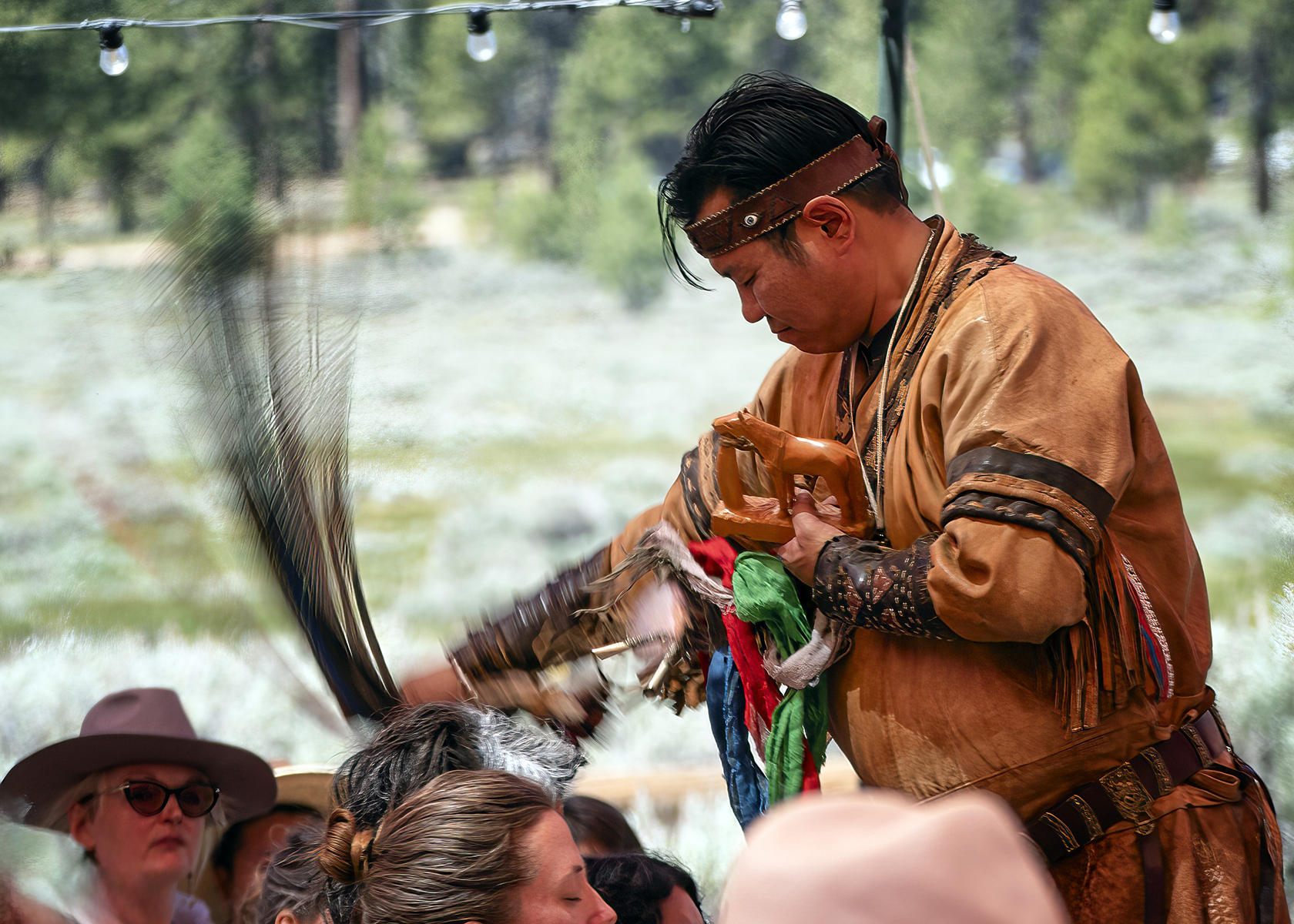
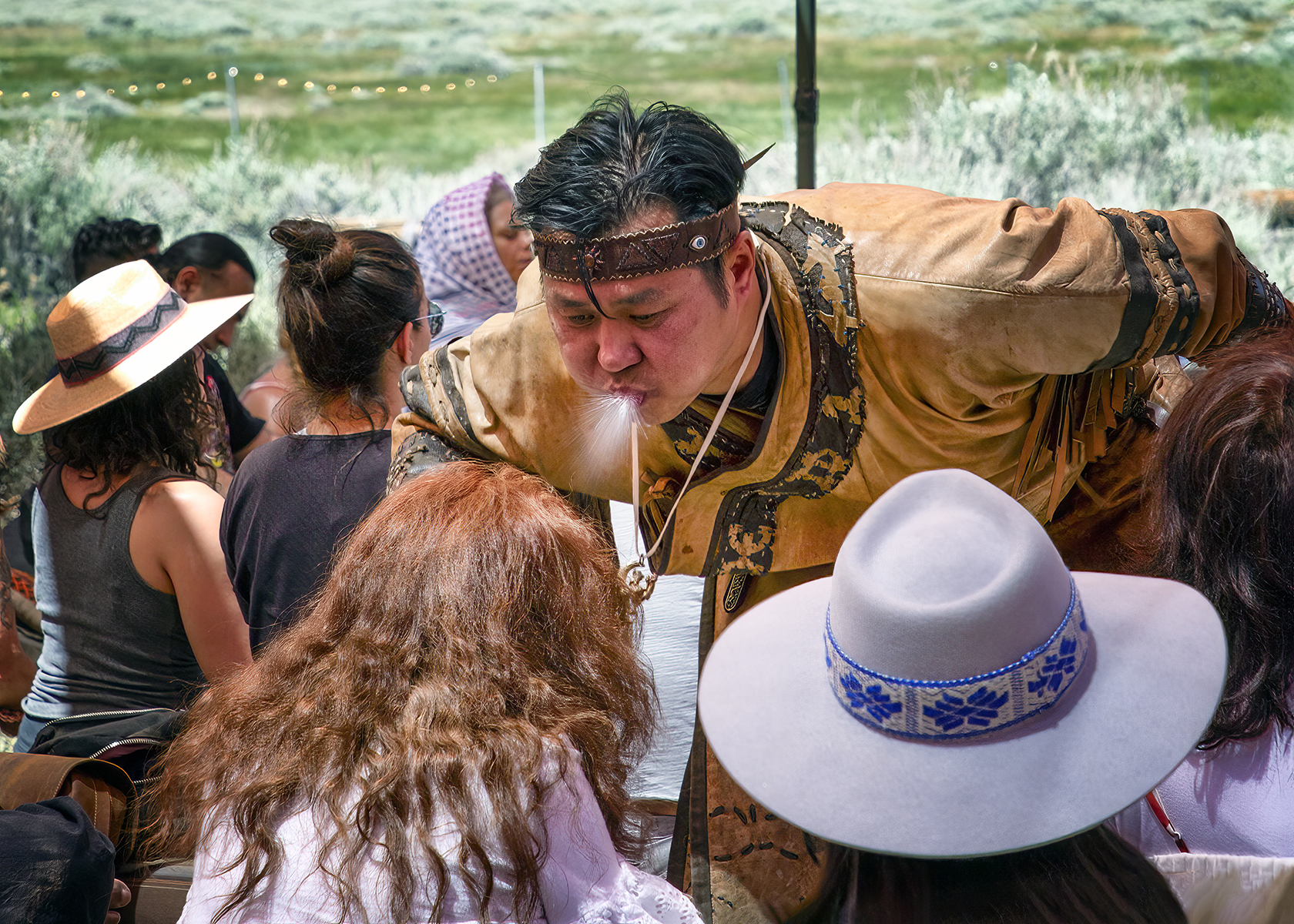
The wildman of the gathering was Mongolian Shaman, Khurelbaatar. I didn’t see his nighttime fire ceremonies where he channeled his guardian spirit, “Spark,” but stories were being told about it all over the place. Some people felt he was deeply authentic because he was chaotic; others felt he was not their cup of tea. I shot his last session, a Healing and Blessing ceremony, on the last morning of the gathering. He didn’t channel but instead asked his audience to get quiet and meditate as he wandered through them doing various healing things – like beating his drum or shaking a rattle over them. He broke out his multi-tailed whip and wandered the crowd, giving those he felt needed it a thwack. I was standing on the outskirts, eyes open, of course, and he started wandering in my direction. We made eye contact, and he smiled. I gave him a wry, sort of smart-ass grin. He smiled bigger and gave me a small thwack of my own with his whip. Hilarious. He went on to do a final round of healing, carrying a jug of milk and spitting a mouthful in some people’s faces. Yeah. I have no idea what to say about that.
Actually, maybe I do.
This event is a great place to practice making space for differences. Open minds and open hearts mean you learn and experience amazing things here and are also giving off a friendly, welcoming vibe to those you meet. You can give and receive the tremendous joy of connection with people you would never in a million years get to meet anywhere else. There will be the occasional things that you raise an eyebrow at or think what the?!? (Milk spit in your face, perhaps? Or someone swaying alone in the trees?) but what a great chance to practice letting people be what they need to be, even if it’s not for you.
Even with all I saw, there was so much I missed. Concerts and songs, Native American stories and ceremonies, talks on natural medicine, drum history, Qi Gong, weaving, etc etc. There were two nighttime healing Hapeh ceremonies that people raved about; I could hear the music from my tent. Sounded like they were having a ball.
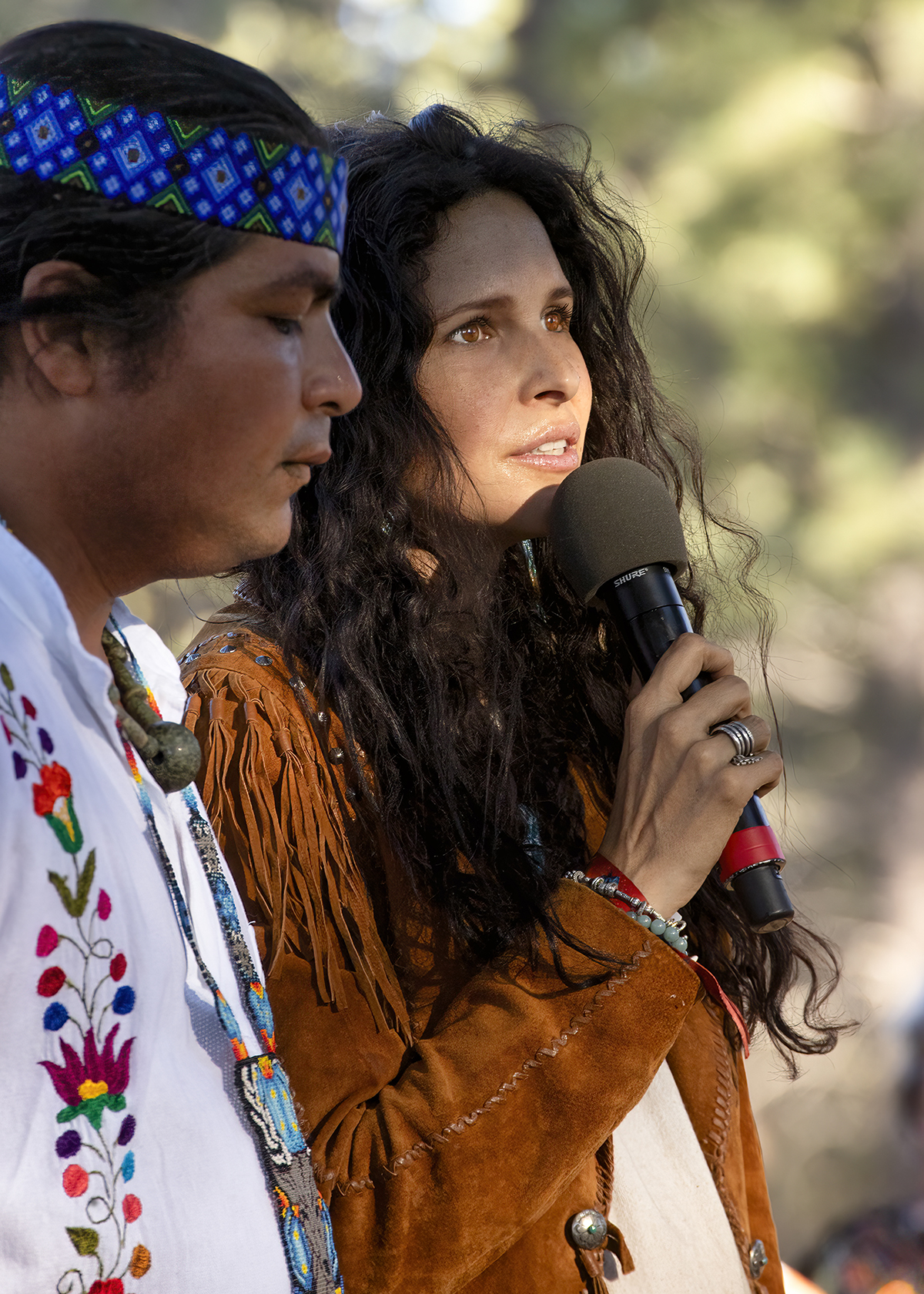
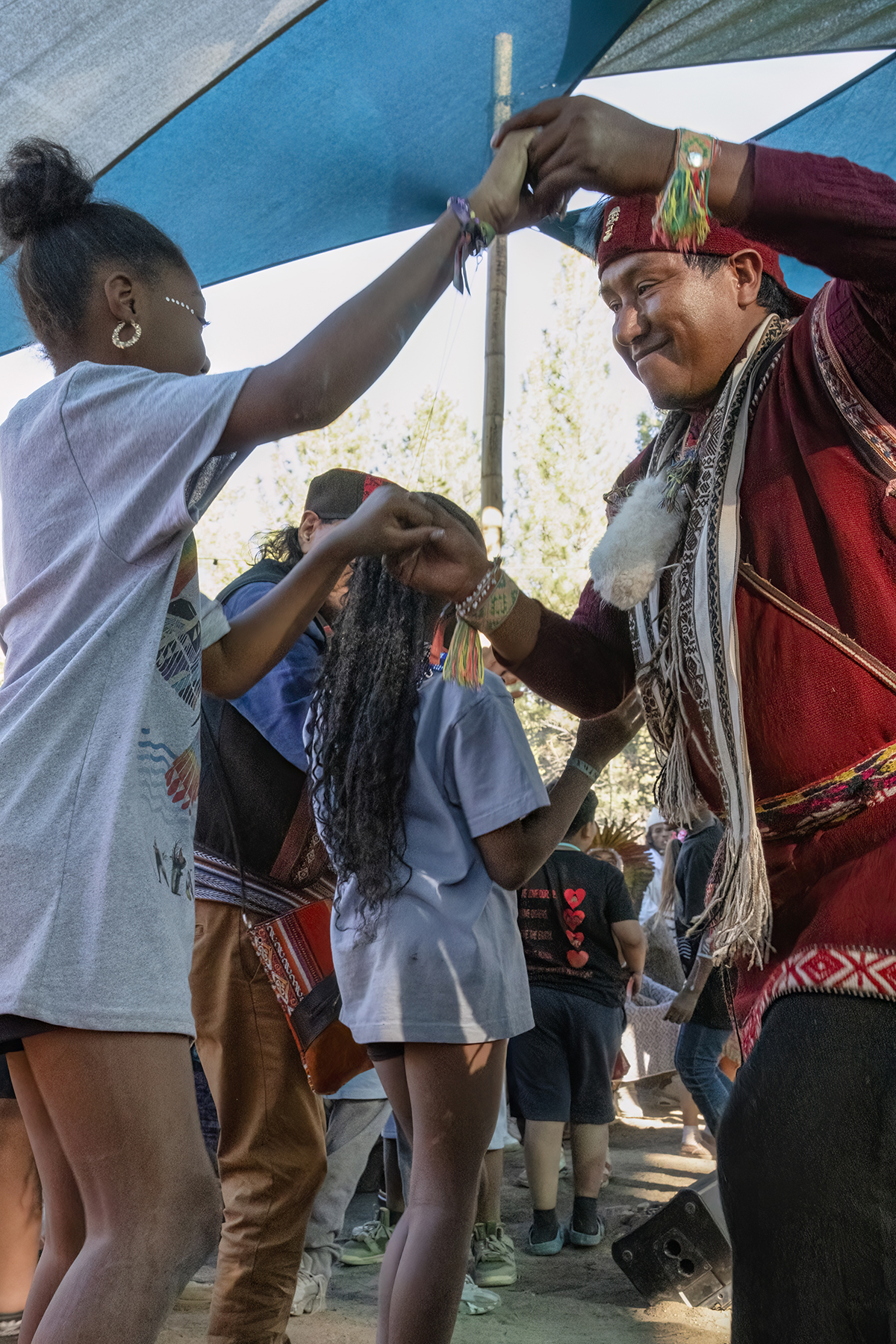
The closing ceremony brought everyone together one last time. Elders performed dances. A group of kids from Los Angeles, the Love Activists, had been invited to the gathering free and performed a song and dance they had prepared. The amazing crew of volunteers was recognized, and leaders were thanked. Some of the elders shared final pieces of wisdom.
We were reminded that we spend most of our first year of life in water, and when we enter the world, water precedes us. We need water to survive, and when we see it, we should be thankful and pray to God that it will keep flowing. We need to take care of it.
We were reminded that the world’s ills are the result of disconnect—the disconnect of humans from spirit, from the planet, and from each other. Gatherings like this are an attempt to bring all of that back together.
Aniwa Gathering was an unbelievable opportunity to meet and learn from people I would have never encountered otherwise. There was a richness and depth here that was beyond anything I imagined. There was the deep joy of connection, so foundational to life. Chief Raoni said we need to keep expanding Aniwa and keep making the family bigger. I’m honored to have been invited to return next year and do what I can to share this message with my photography.
One last thing: Aniwa needs support to grow. Please follow them on instagram @aniwa.co. Their website is aniwagathering.com. I hope to see you at the next gathering.