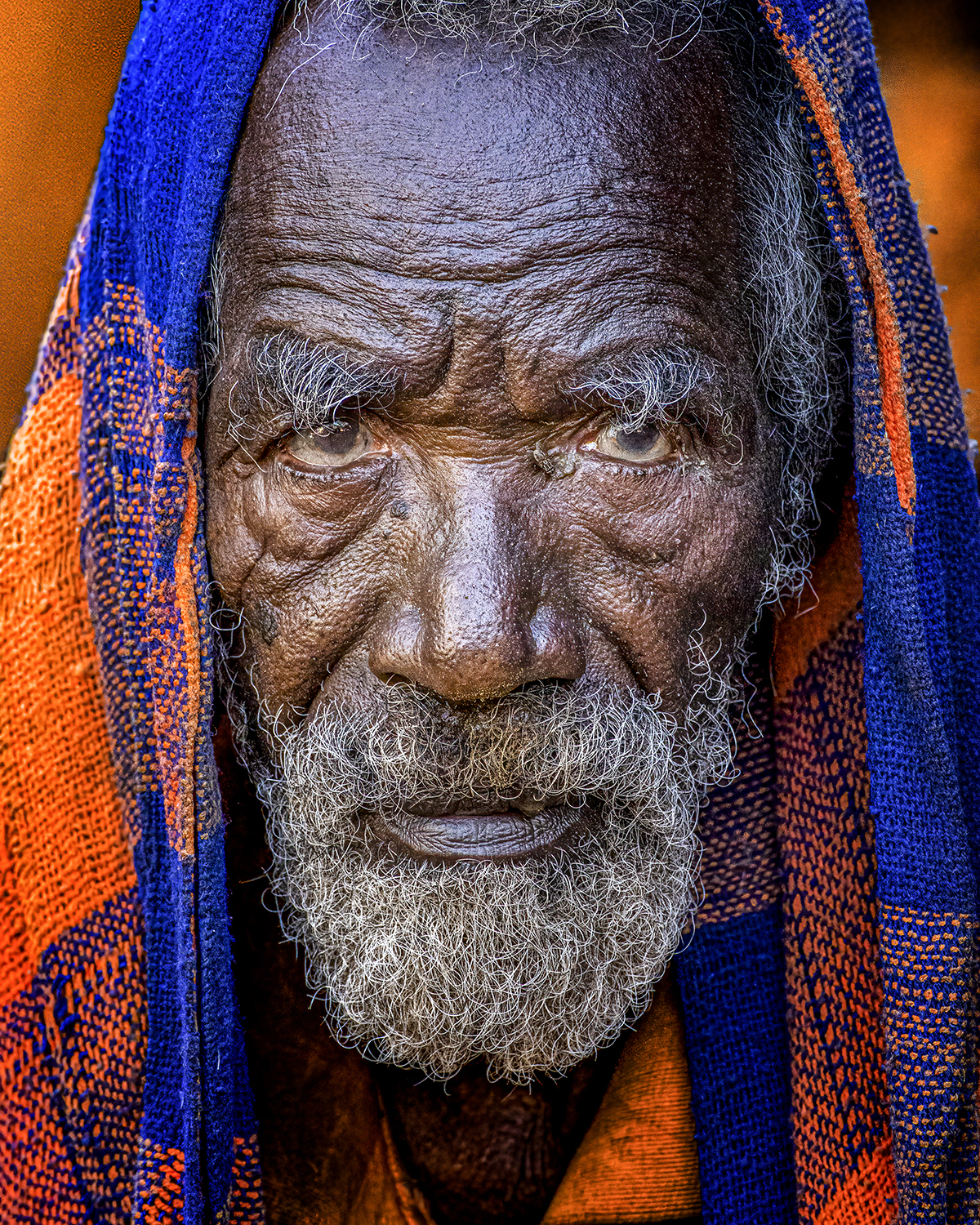
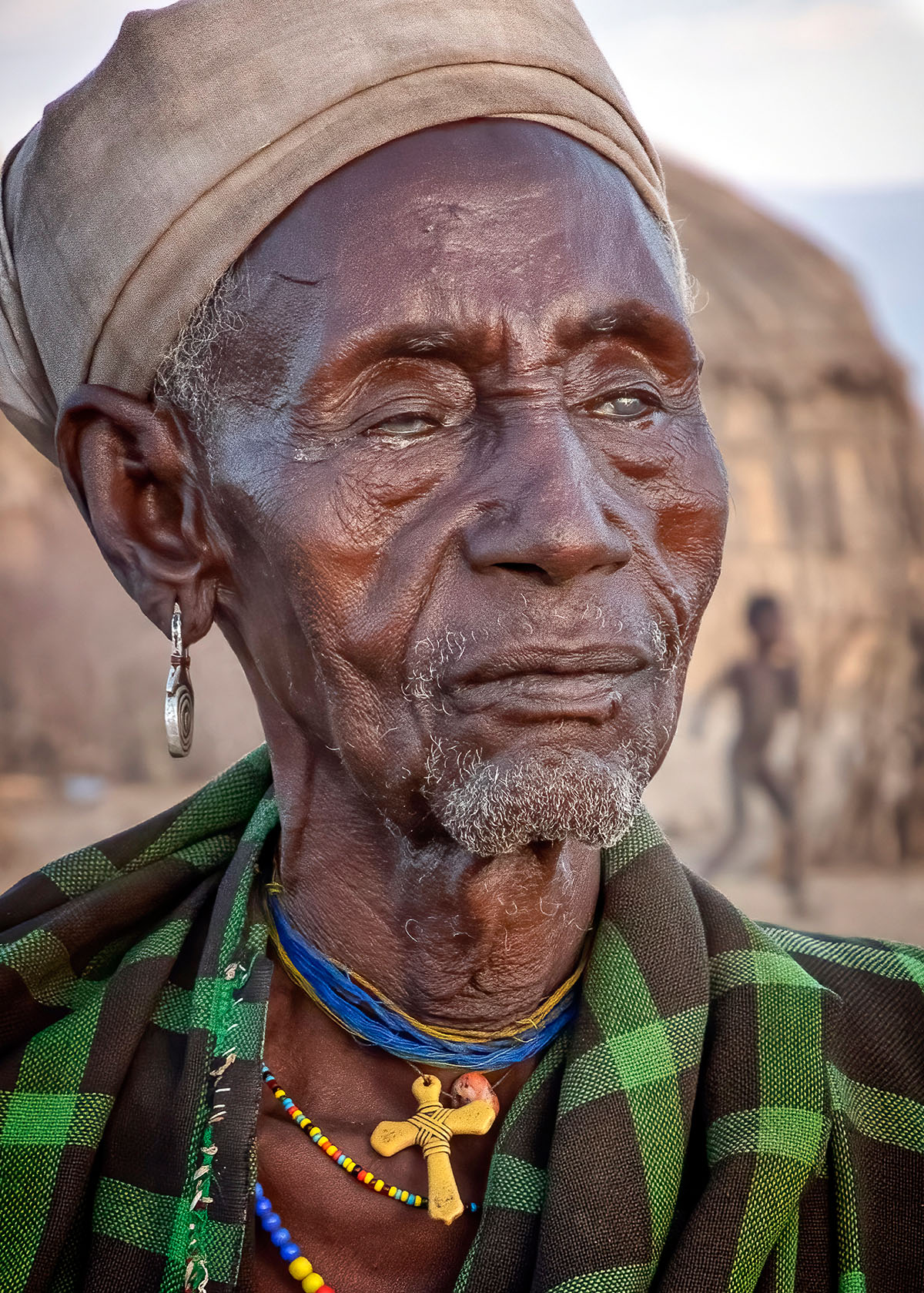
HE DOES NOT SEE
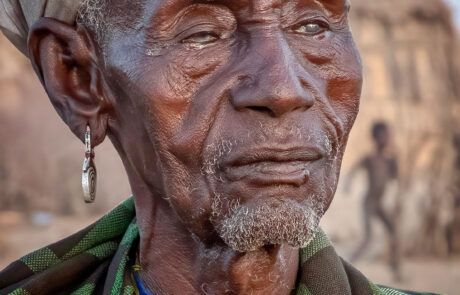
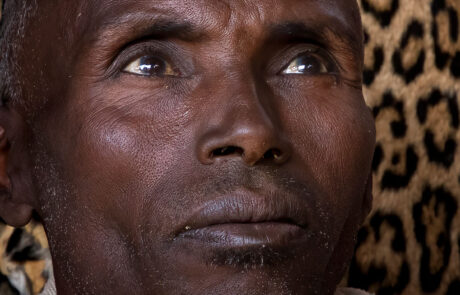
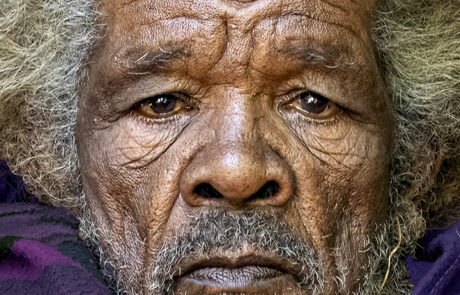
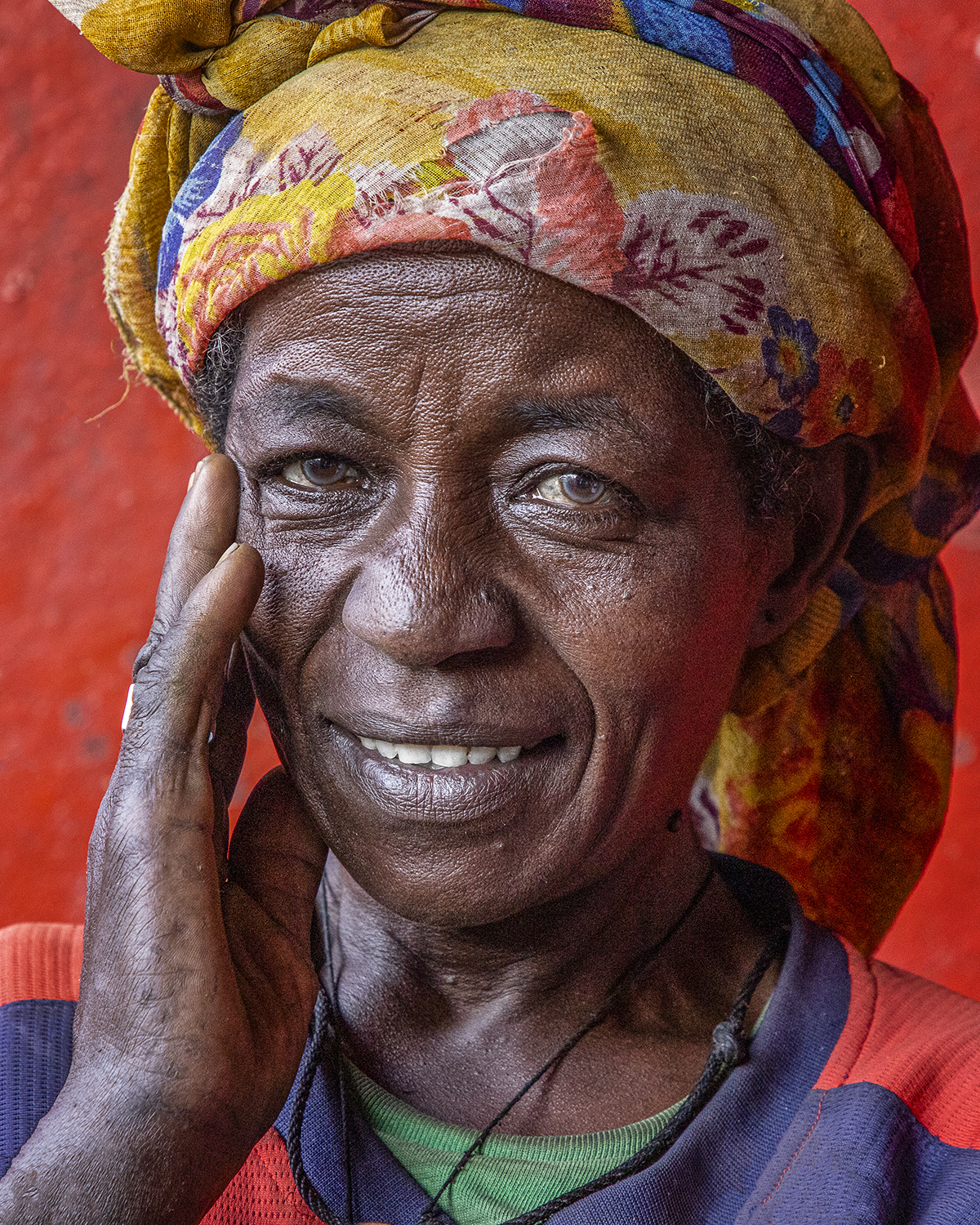
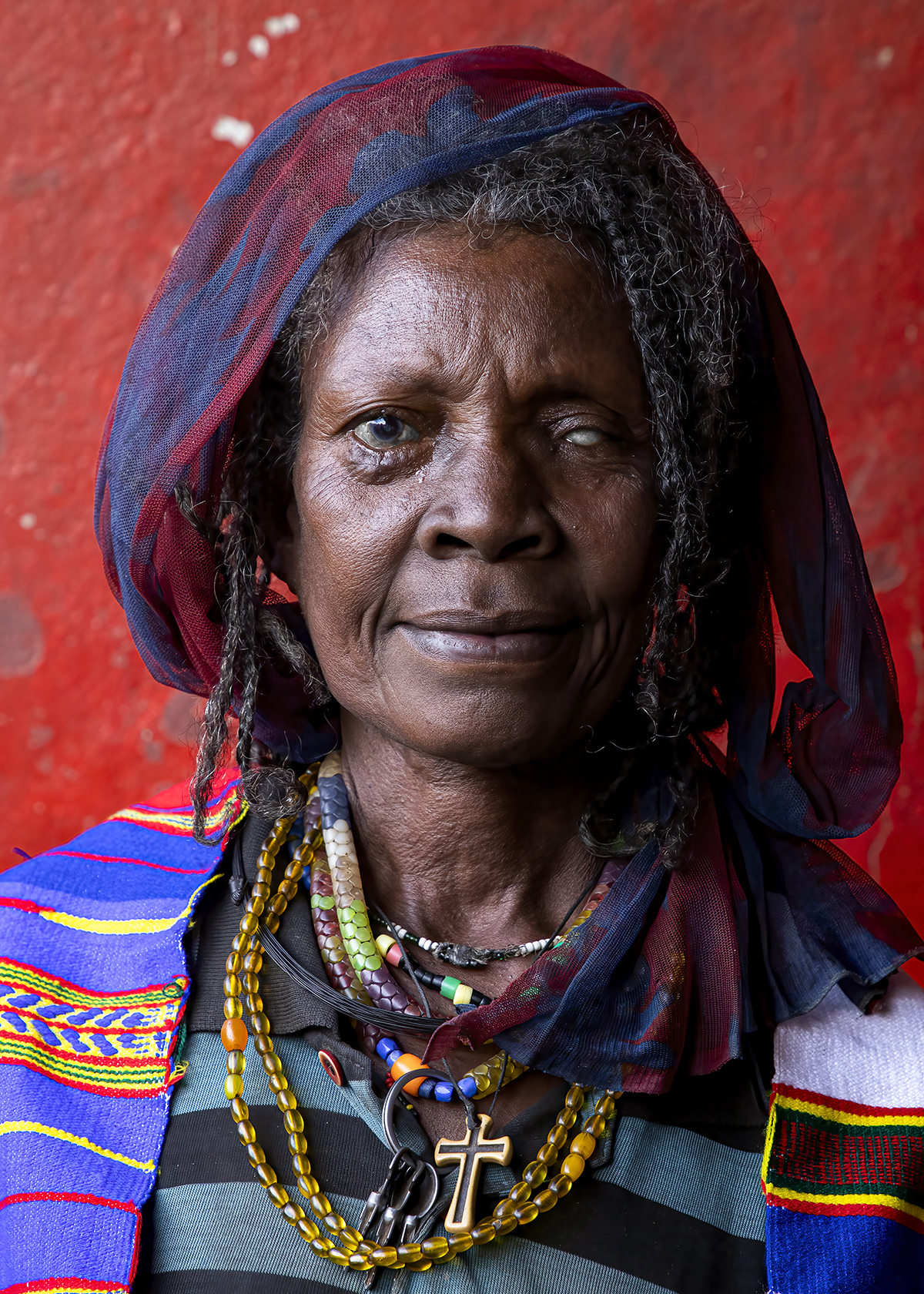
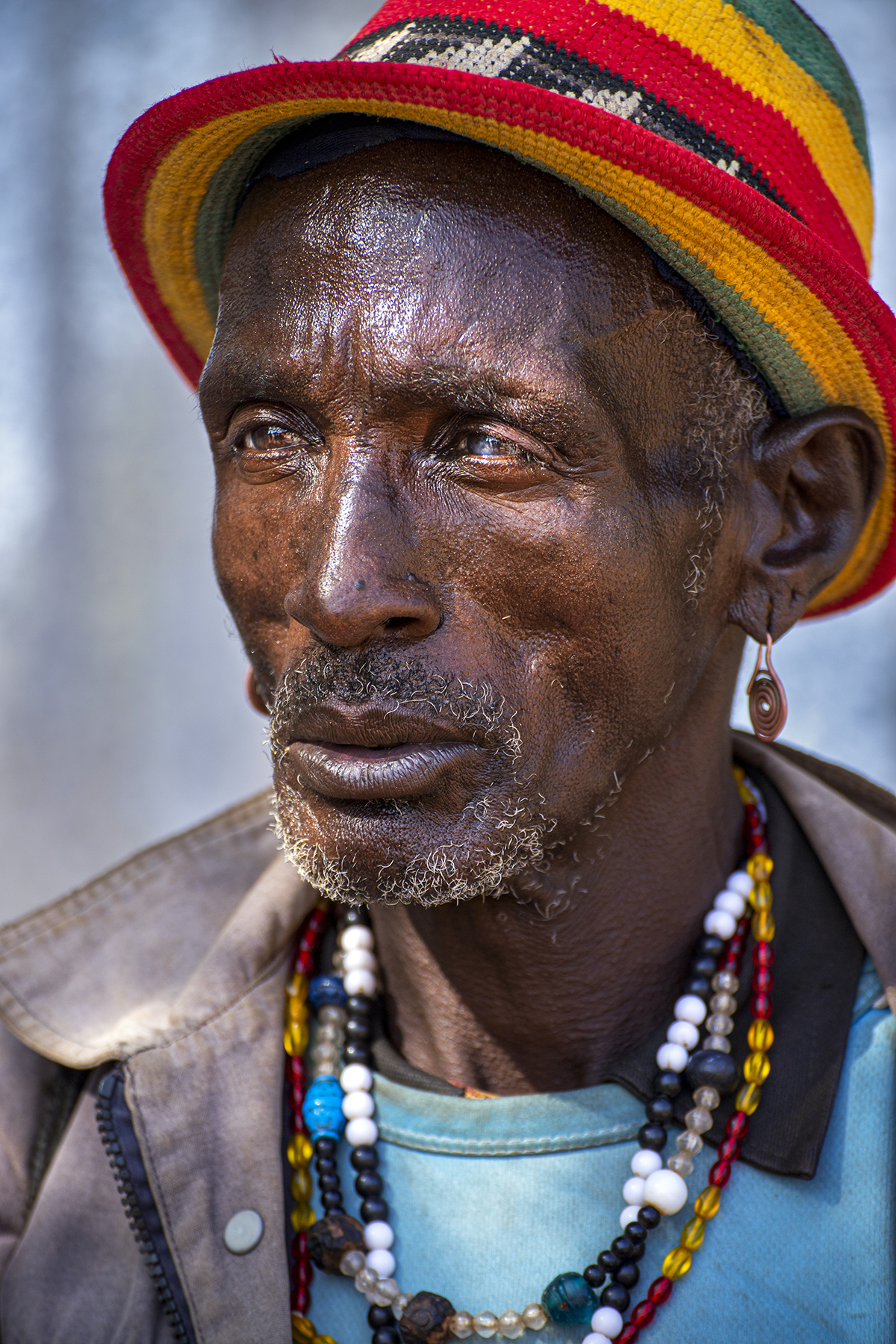
That’s what this man’s daughter told us as she led him around the Arbore camp. He was one of many elders we met with obvious vision issues.
“The eye care situation in Ethiopia is one of the worst in the world,” per Orbis International. “Cataracts (50%), trachoma (11%), corneal opacities (8%), (etc.) were reported as the leading causes of blindness.”
“A staggering 5.4 million people (are) living with blindness and vision loss.”
Life in the harsh sun and lack of vision care has robbed so many of their sight. I was also shocked to learn of trachoma, preventable, highly infectious disease transmitted by flies and very common among children. Repeat infections result in scar tissue and eventually cause blindness. Doses of the antibiotic azithromycin can cure early disease; surgery is needed later on. Organizations like Orbis International (orbis.org) have accomplished much, even going door to door in the Southern Nations, Nationalities and People’s Region (where the Omo Valley tribes live) to provide medication and care.
“When Orbis began working in Ethiopia in 1998, there were only 54 ophthalmologists. That figure has now more than tripled to 170 ophthalmologists, saving sight across the country.
Thanks to our supporters and the hard work and dedication of our local staff and program partners, in the past 24 years, we played a leading role in:
- Delivering 100 million doses of the trachoma-fighting-antibiotic azithromycin in the Southern Nations, Nationalities, and People’s Region (SNNPR)
- Achieving the elimination threshold for trachoma in 38 districts across the SNNPR as of 2021
- Conducting more than 190,400 trachomatous trichiasis surgeries
- Increasing cataract surgeries from 5,000 in 1995 to 72,000 by 2017 (by providing training and support and helping introduce new techniques that are now adopted universally across the country)
- Helping establish 420 optometrists.”
I had no idea, but in this case, a picture is truly worth 1000 words.
MORE STORIES
Scroll for more stories