Addis and the Largest Open Air Market in Africa
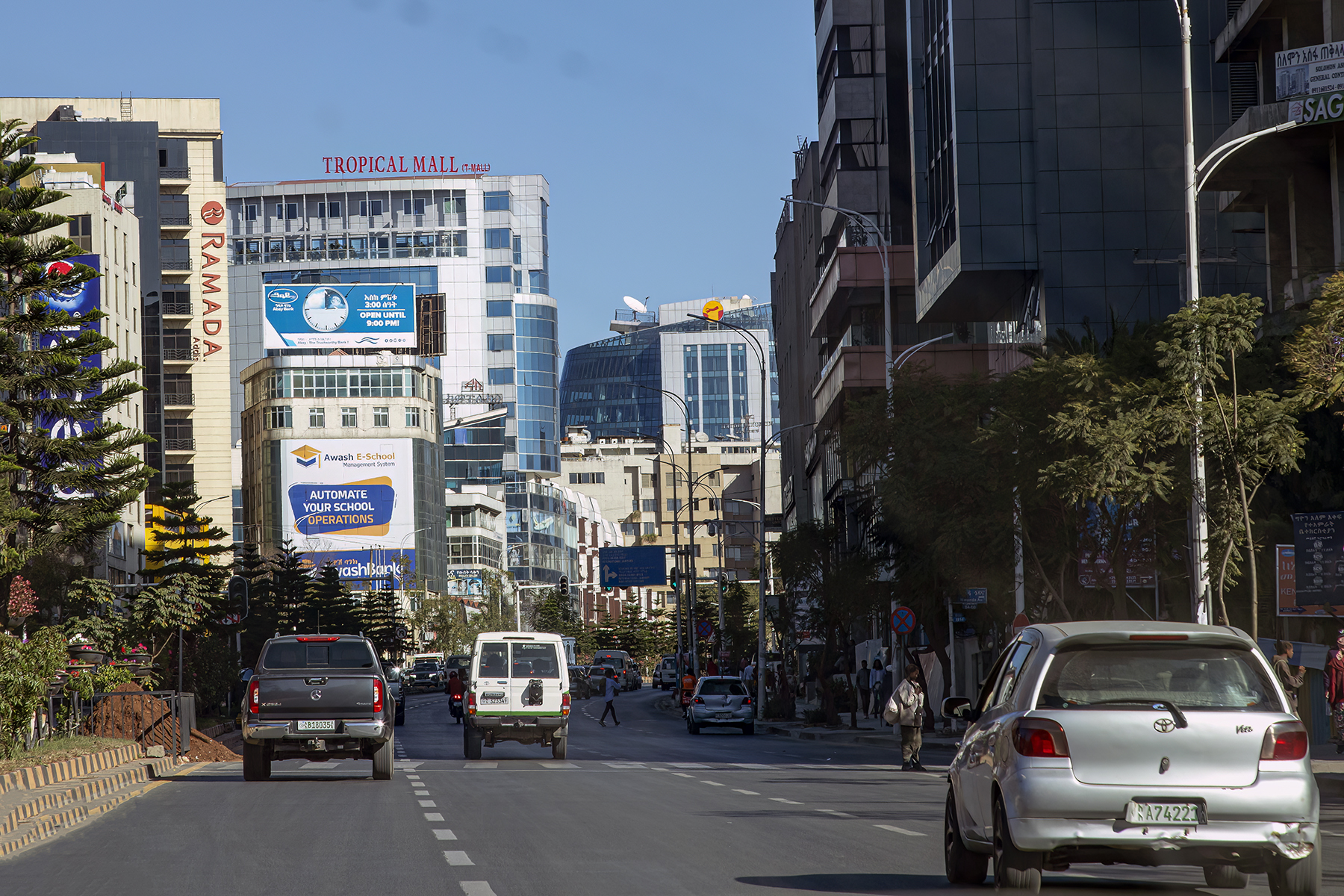
Arriving in Addis Ababa, the capital of Ethiopia, after a couple of days of travel was all you might have guessed. Thrilling, intriguing, exhausting.
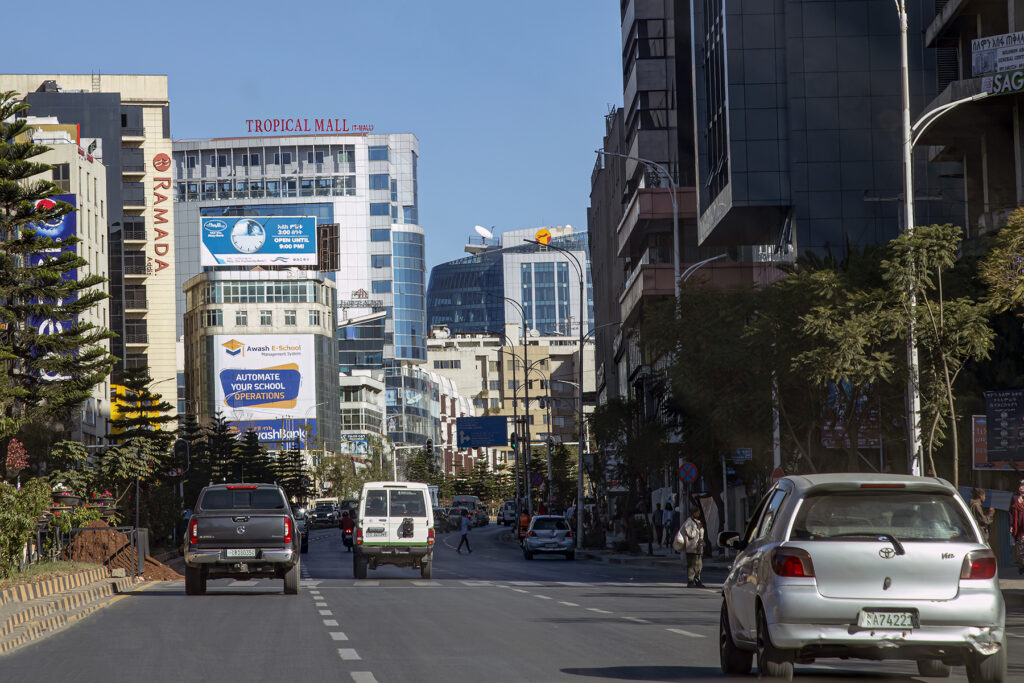
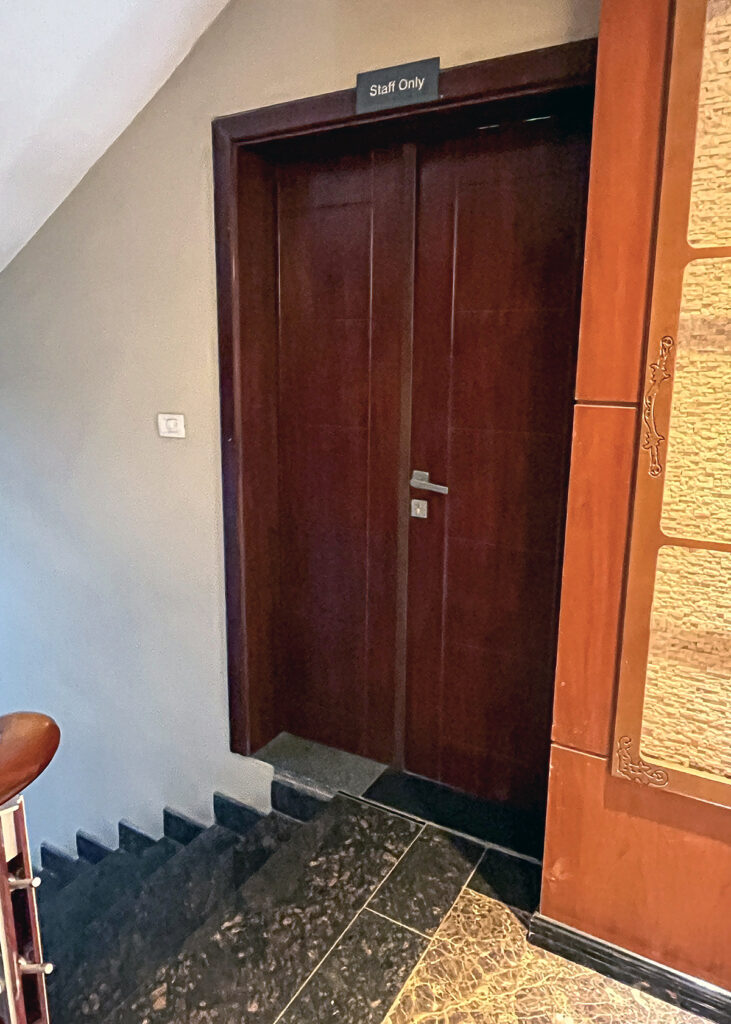
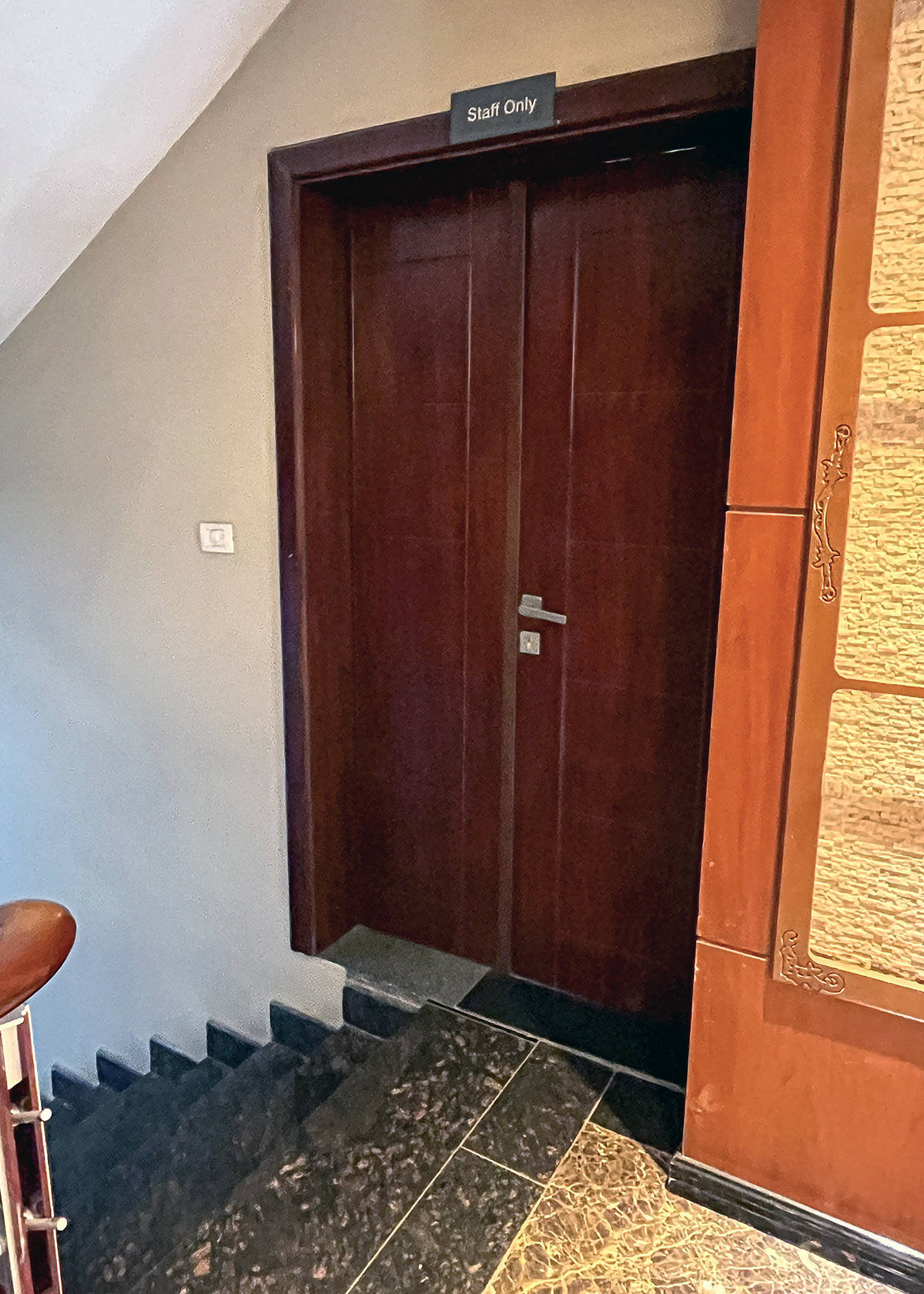
I stayed at Best Western, where the staff and room were lovely. I quickly learned that building codes are different in Ethiopia. There was a gap beneath the stairs that a child could easily walk through and fall a couple of floors straight down. And the door from the office, right at the top of the stairs, gave me anxiety just looking at it.
The most disturbing thing at the Best Western was when I sat on the front entrance stairs to await Yared, my guide for the next two days. Two security guards immediately flanked me. They told me to hold my phone and purse tightly. They were visibly stressed, even though it was broad daylight on a busy street at a well-reviewed business hotel. I did what they said and realized I needed to increase my awareness pronto.
Yared picked me up, and off we went to experience the Mercato, the largest open-air market in Africa.
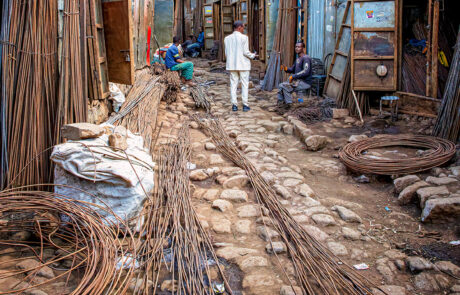
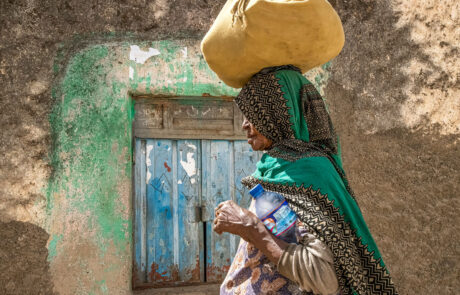
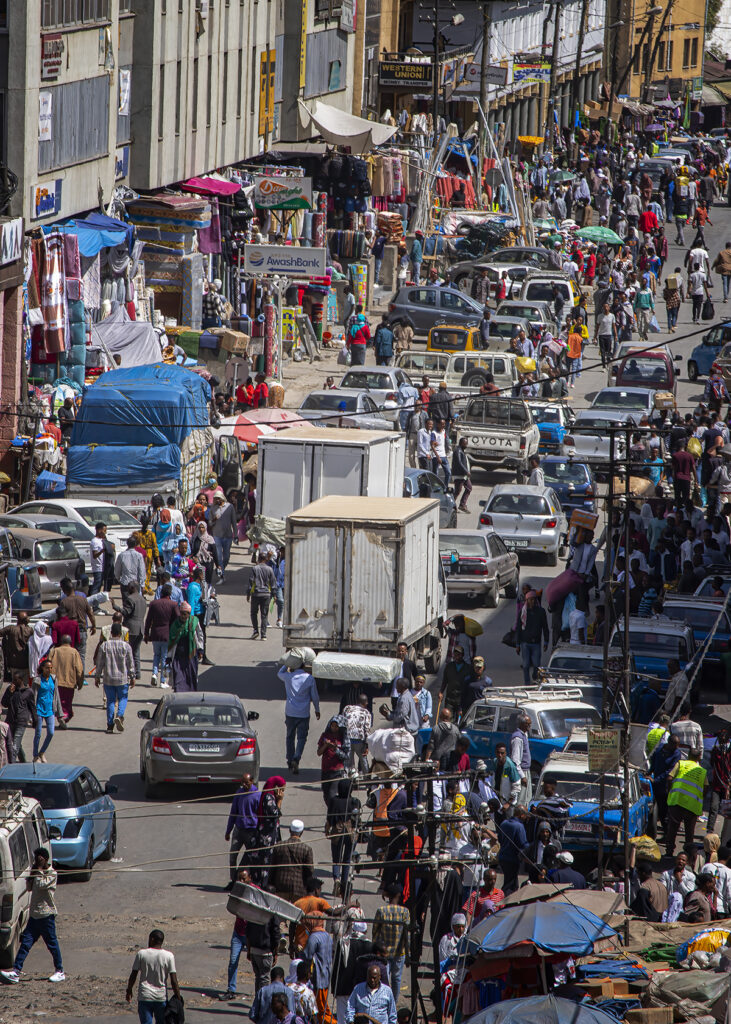
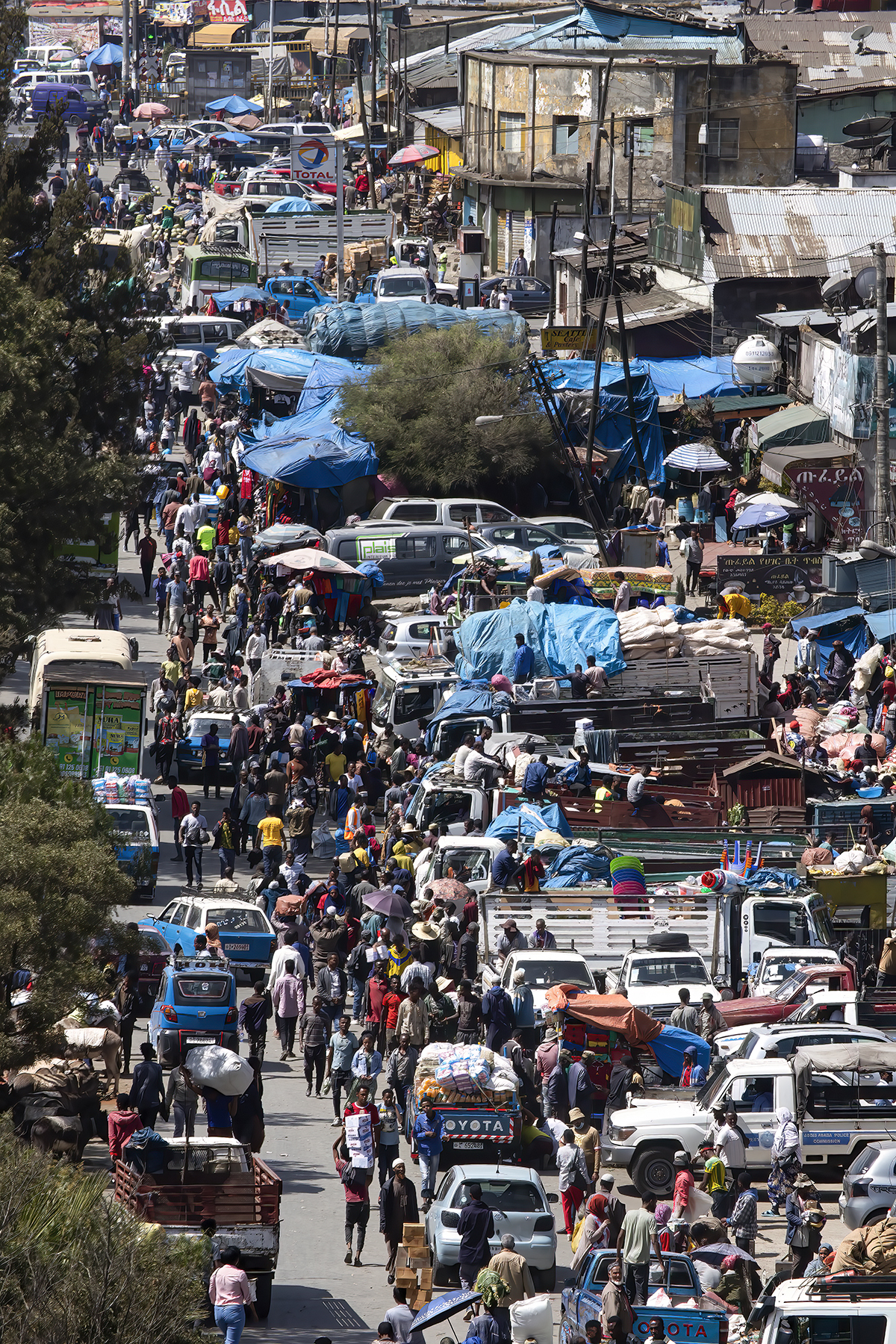
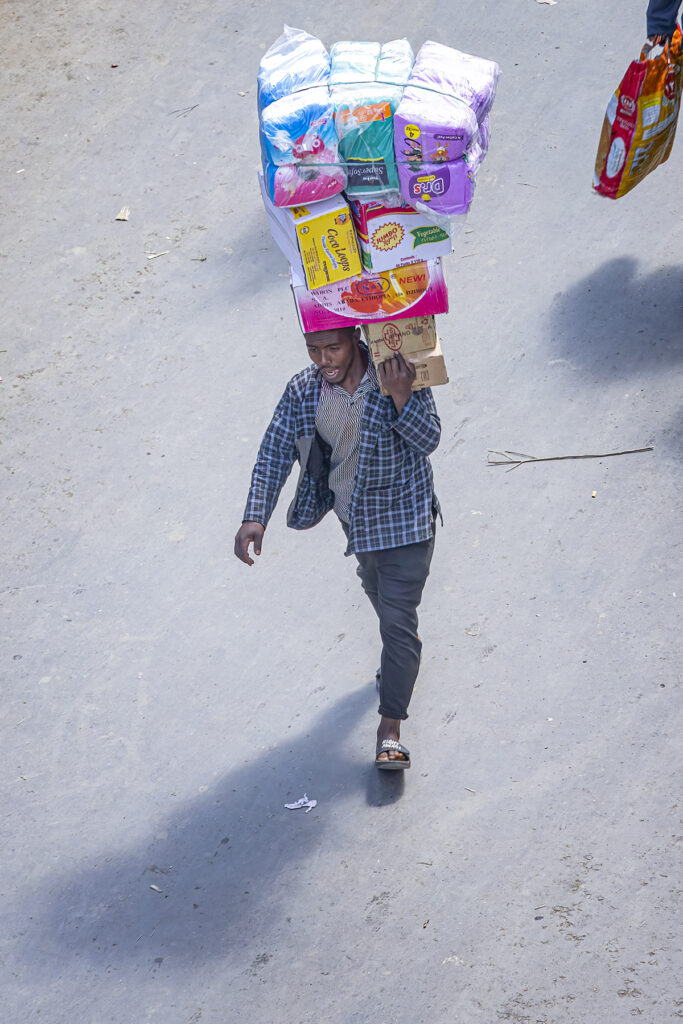
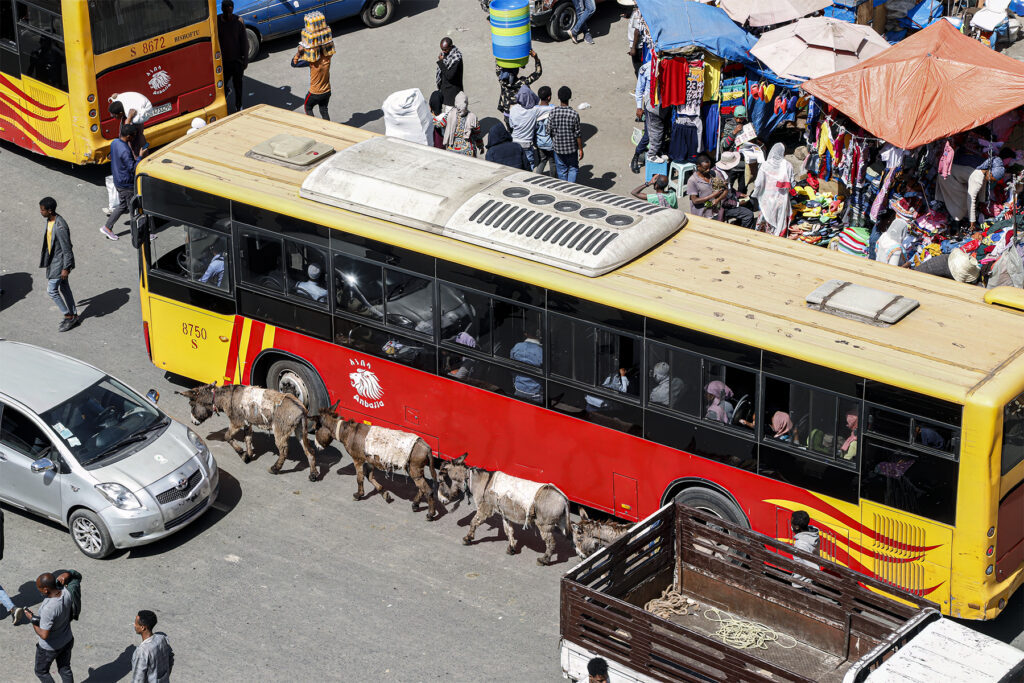
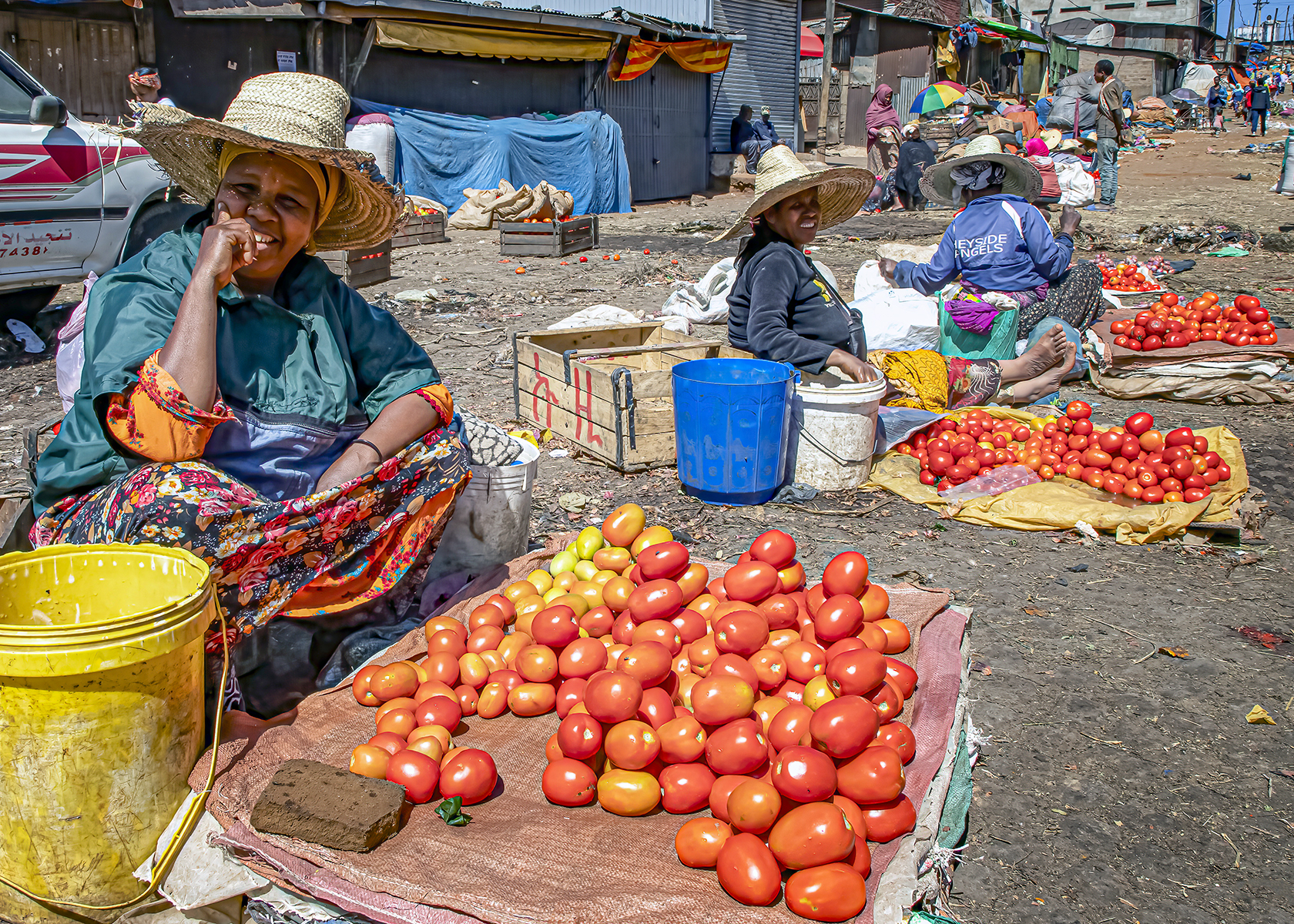
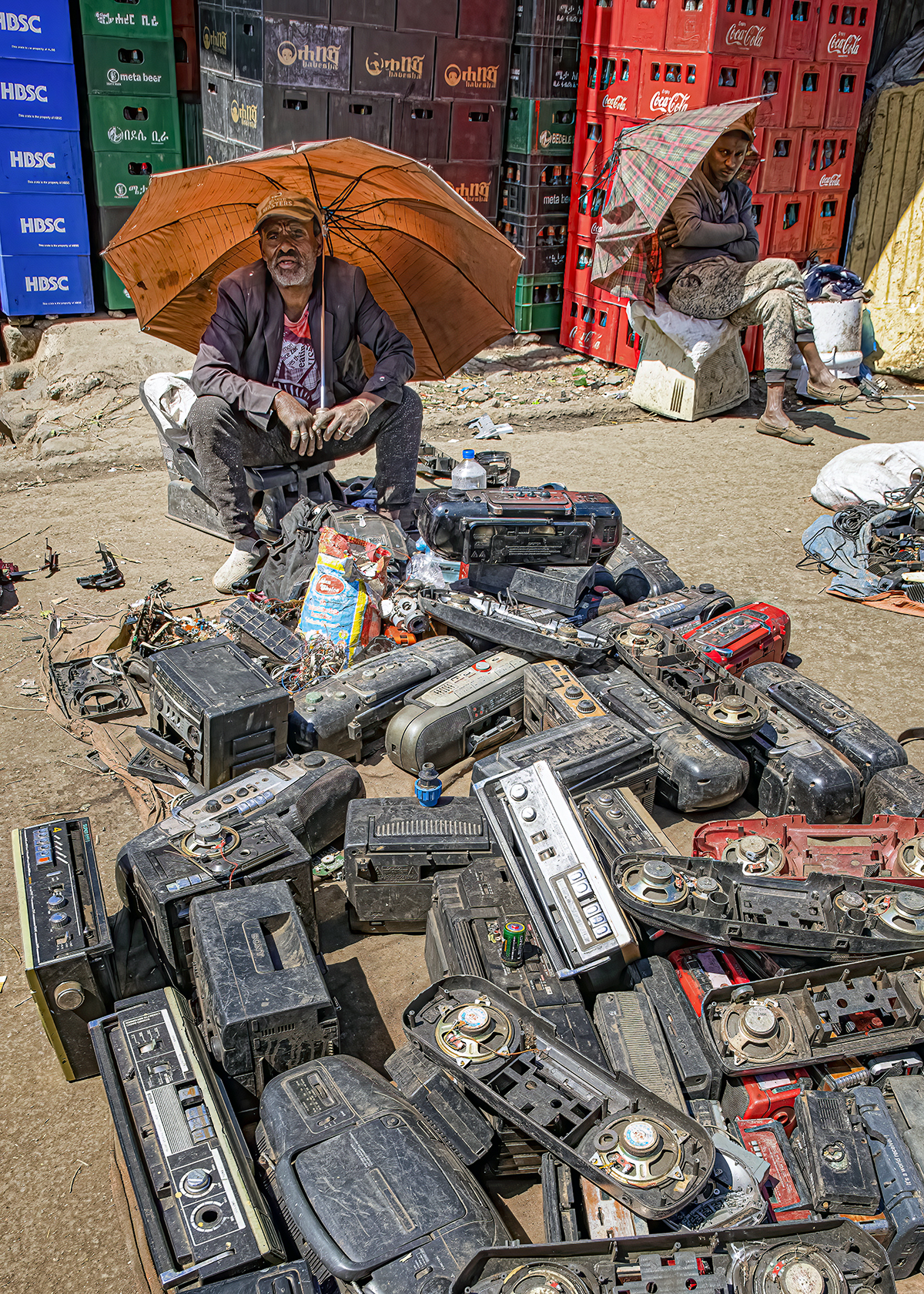
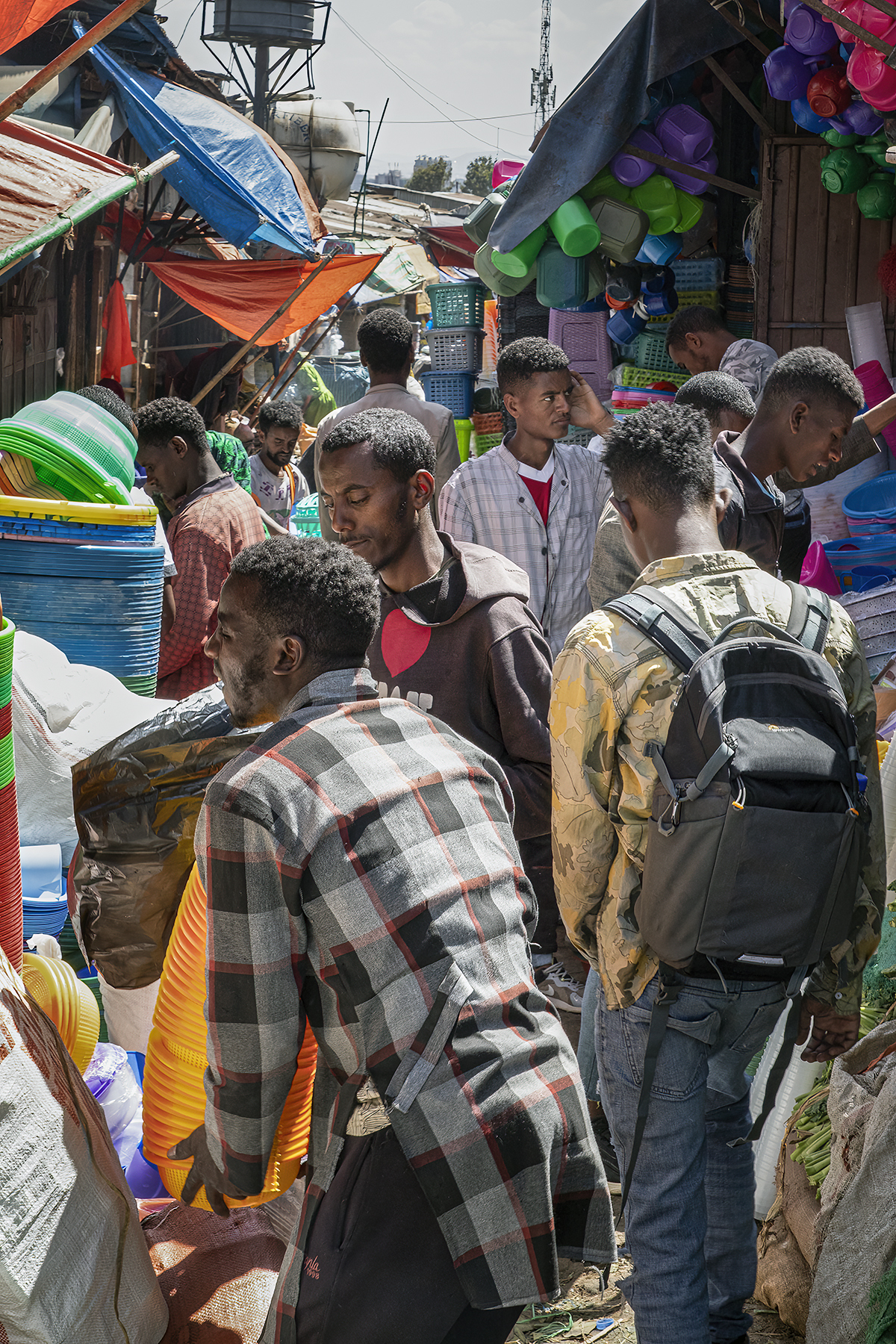
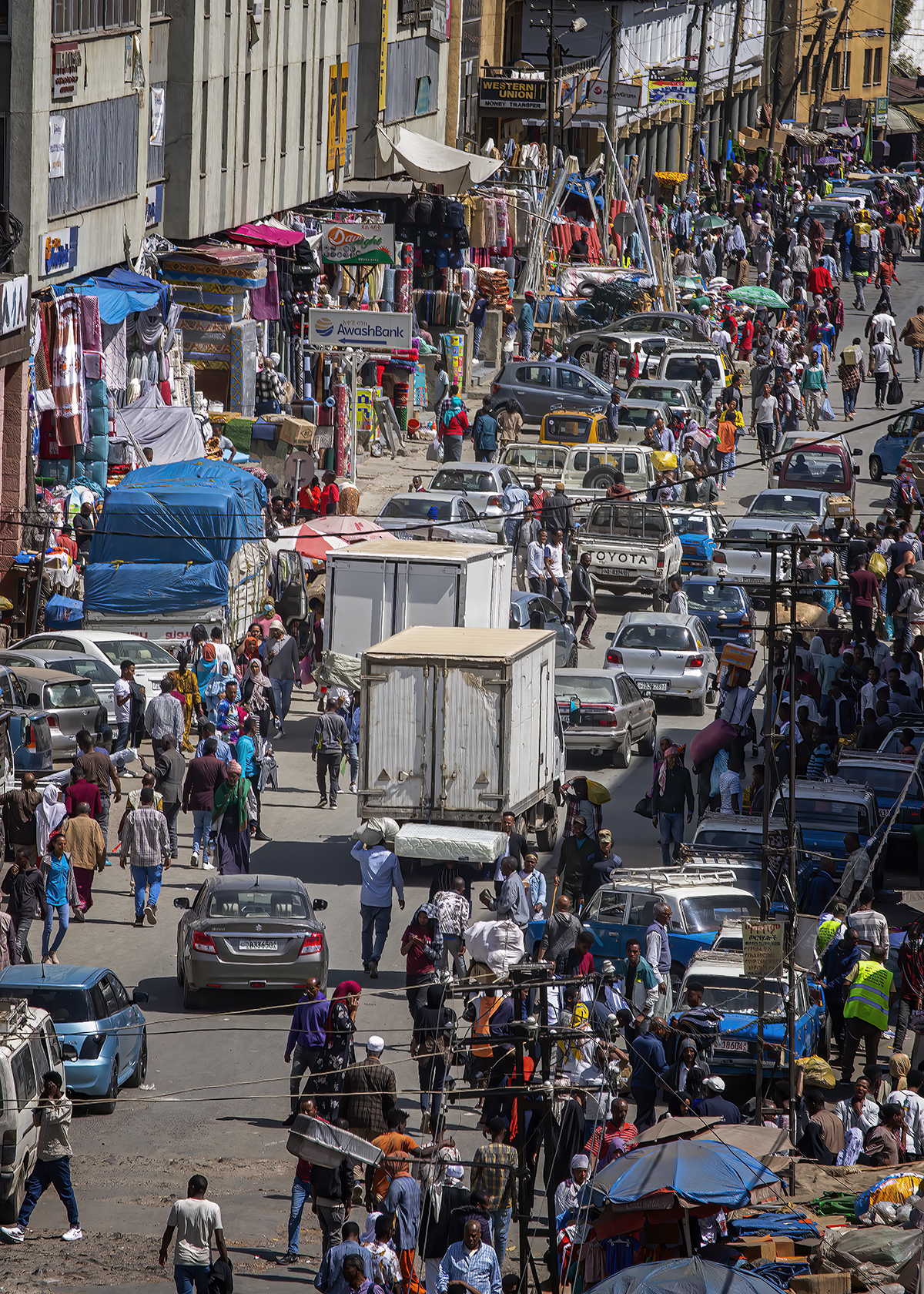
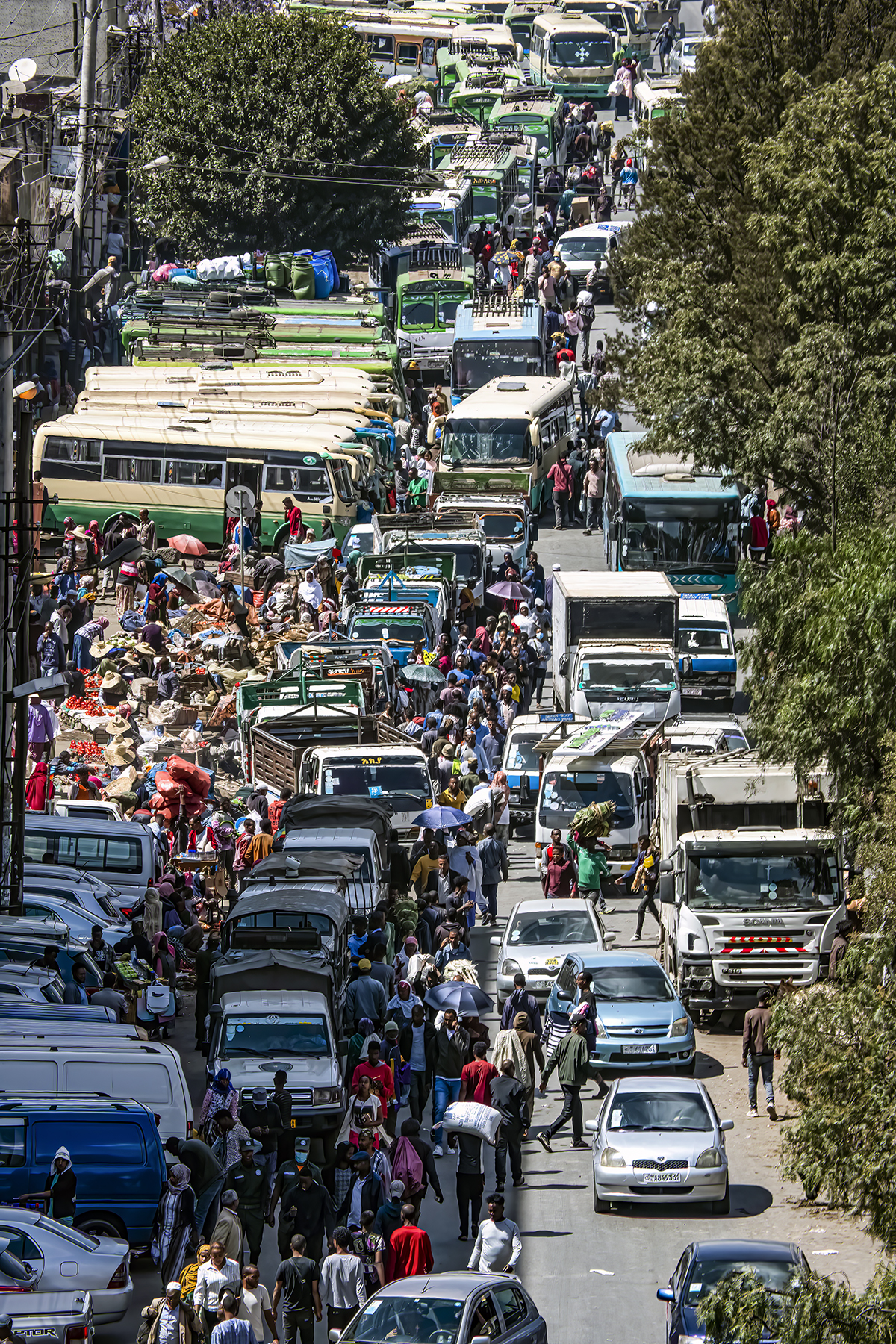
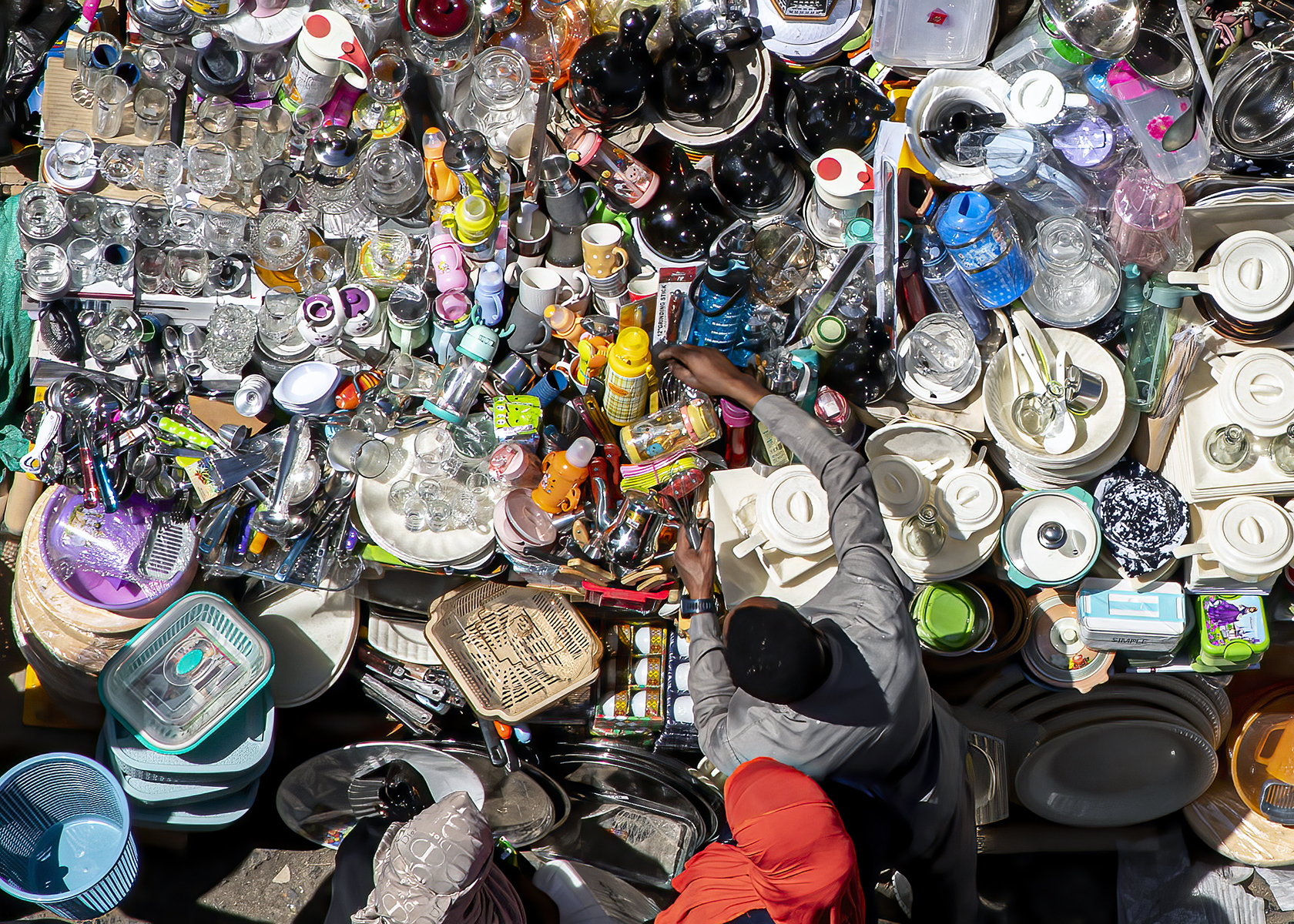
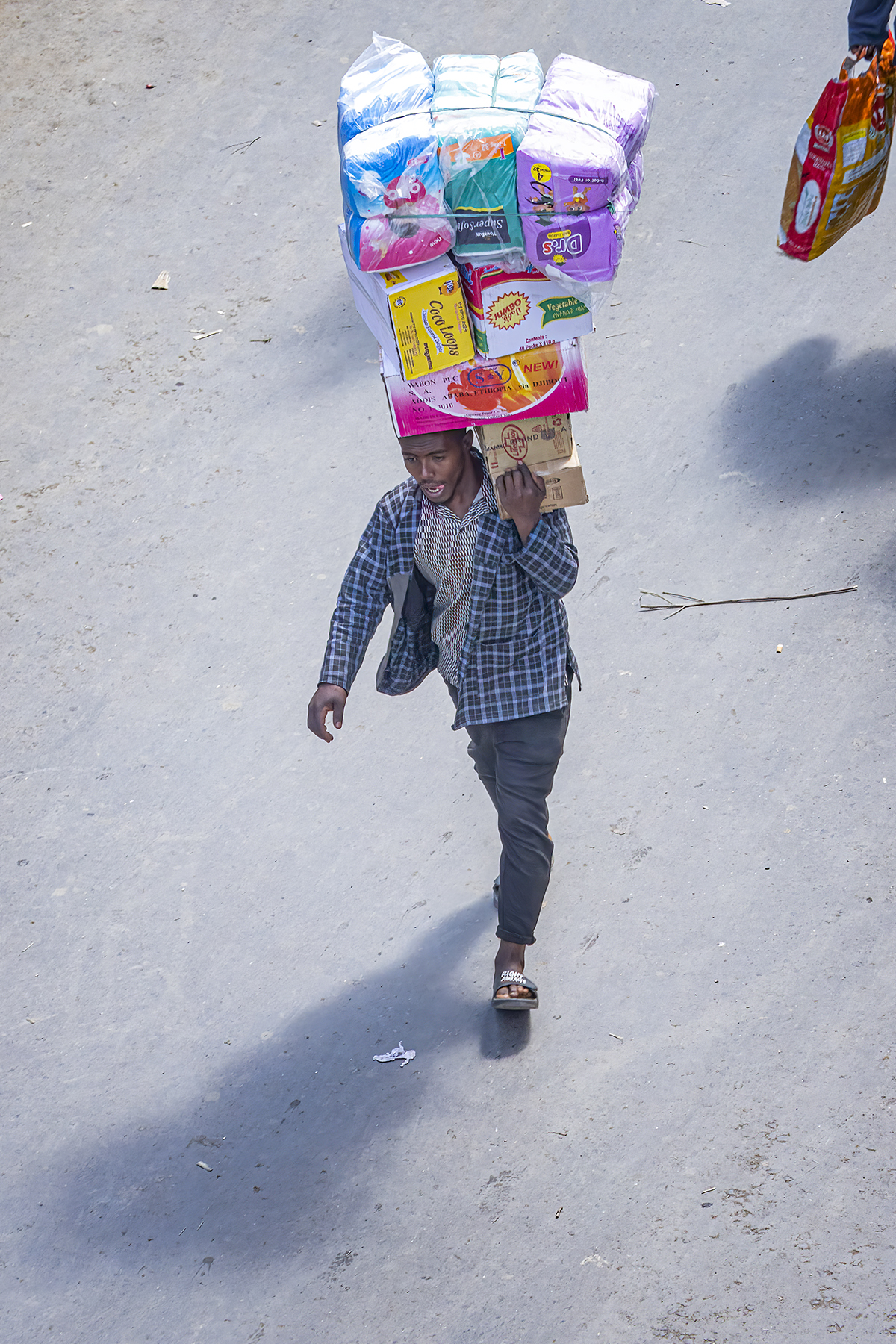
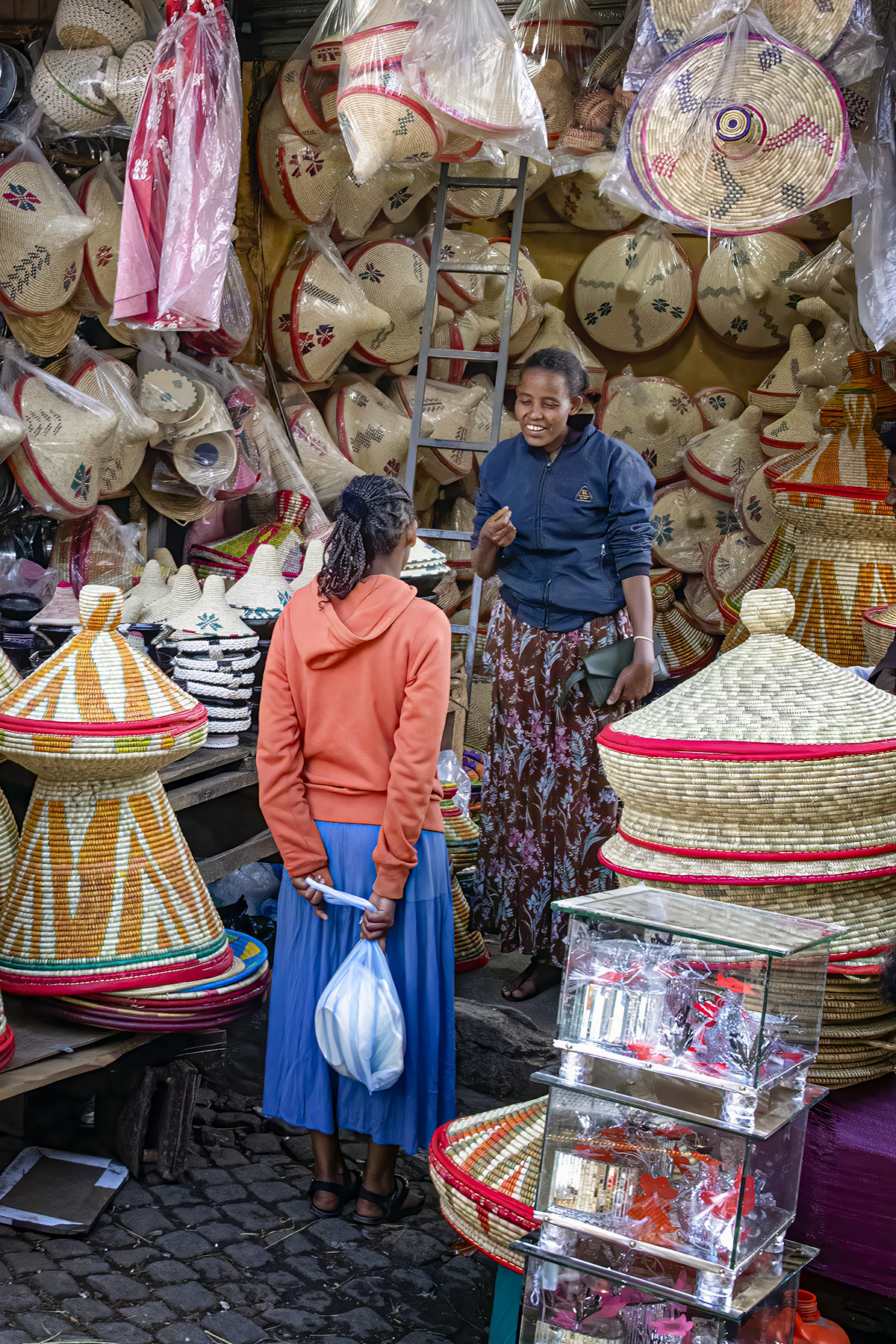
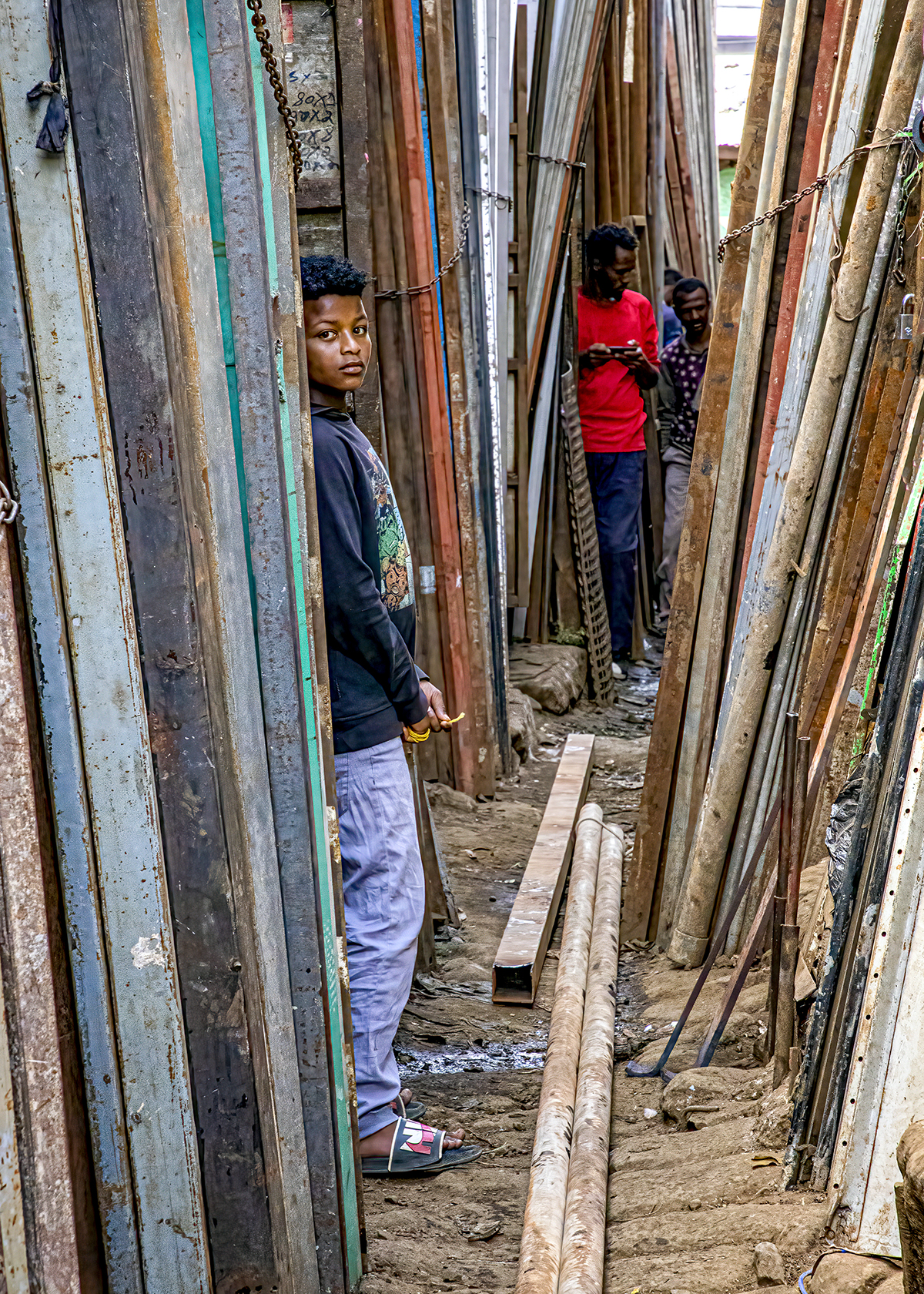
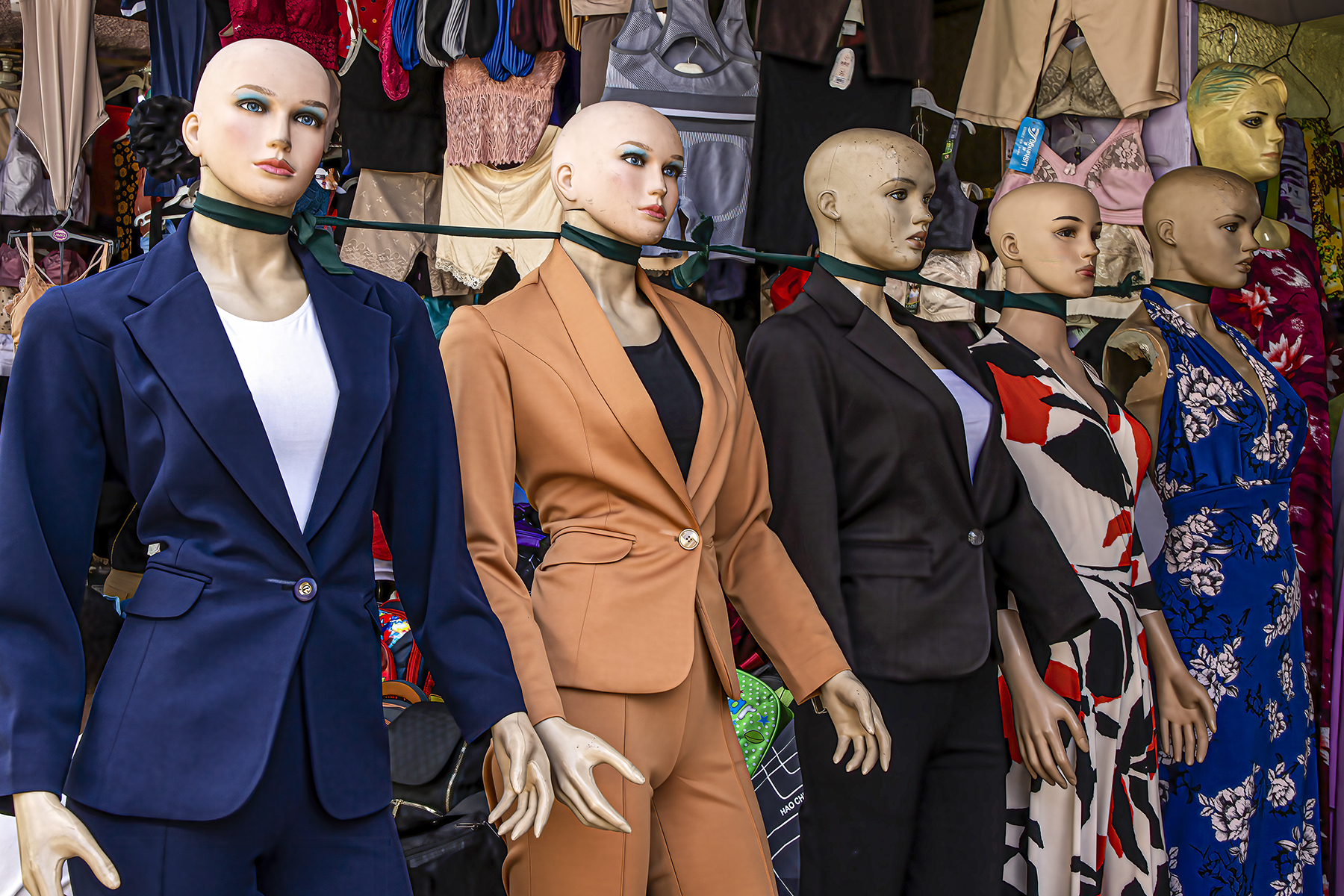
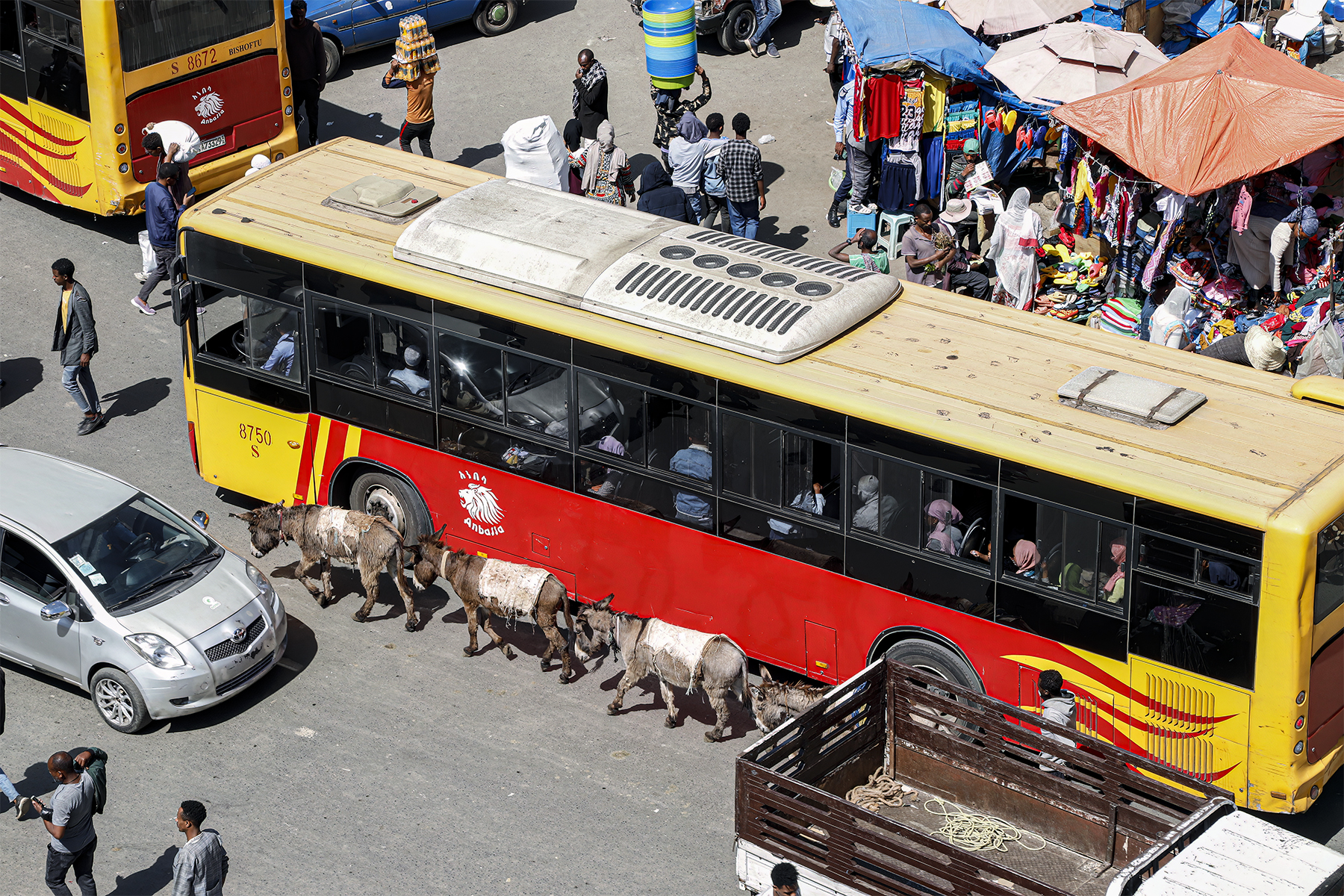
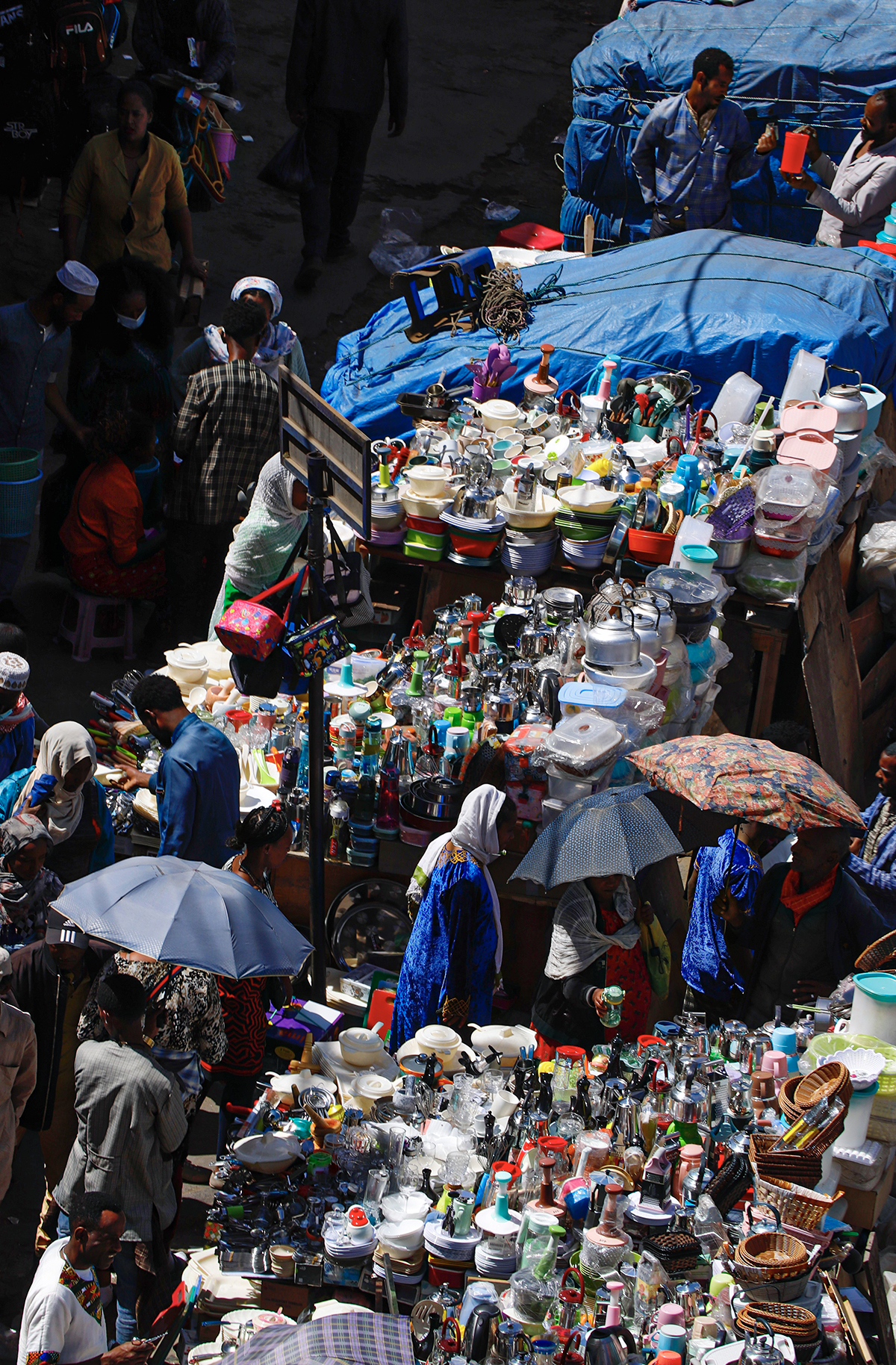
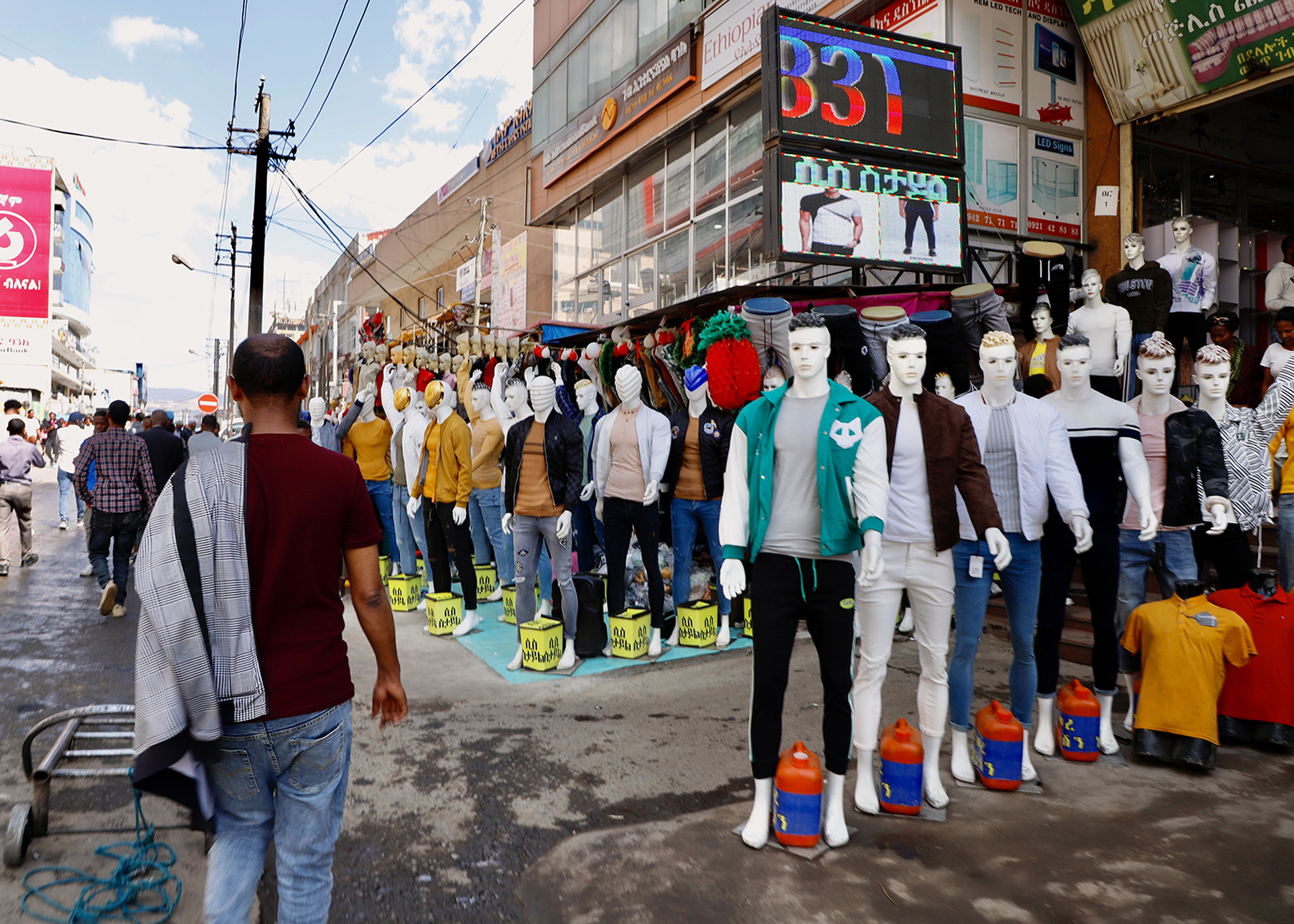
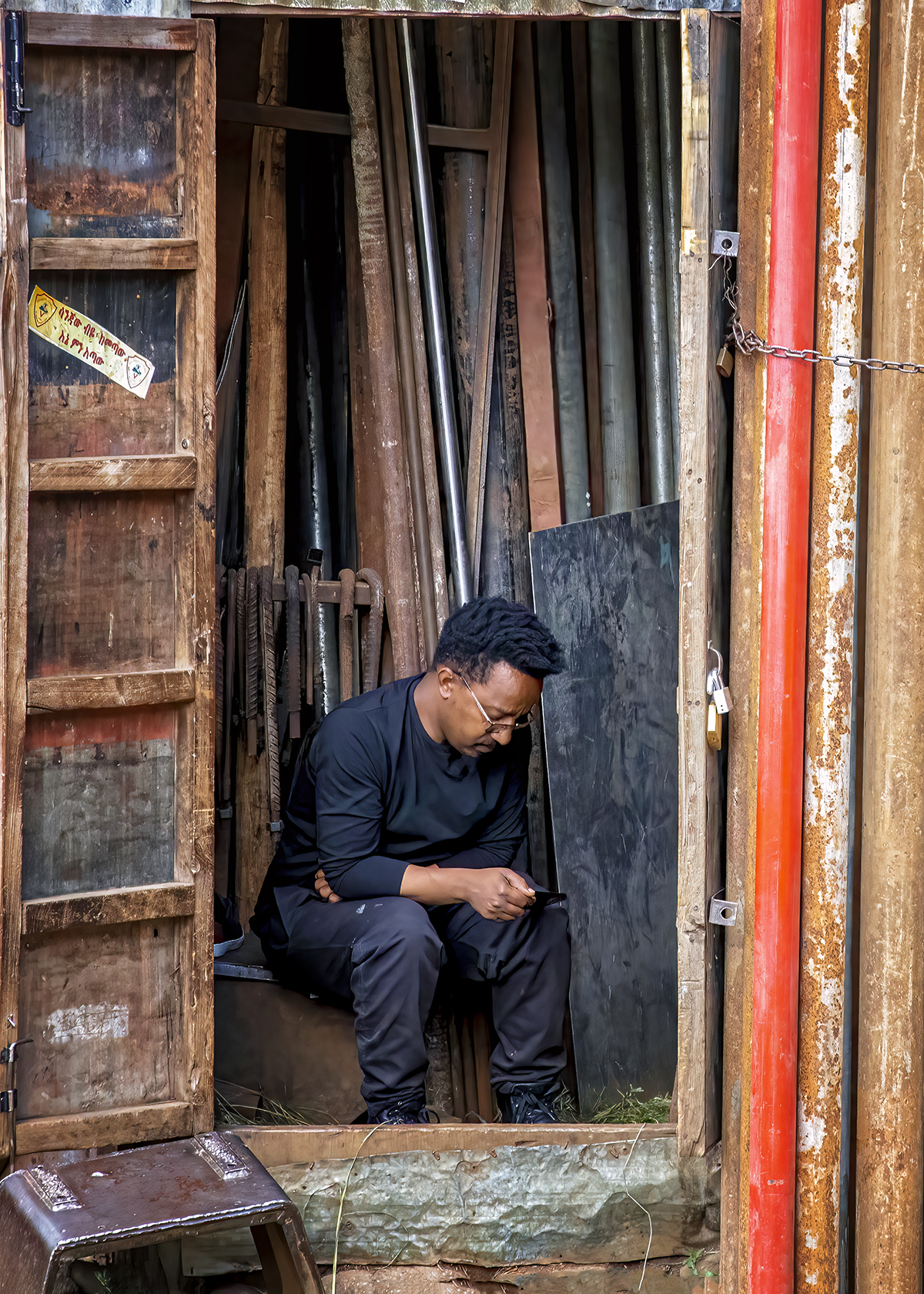
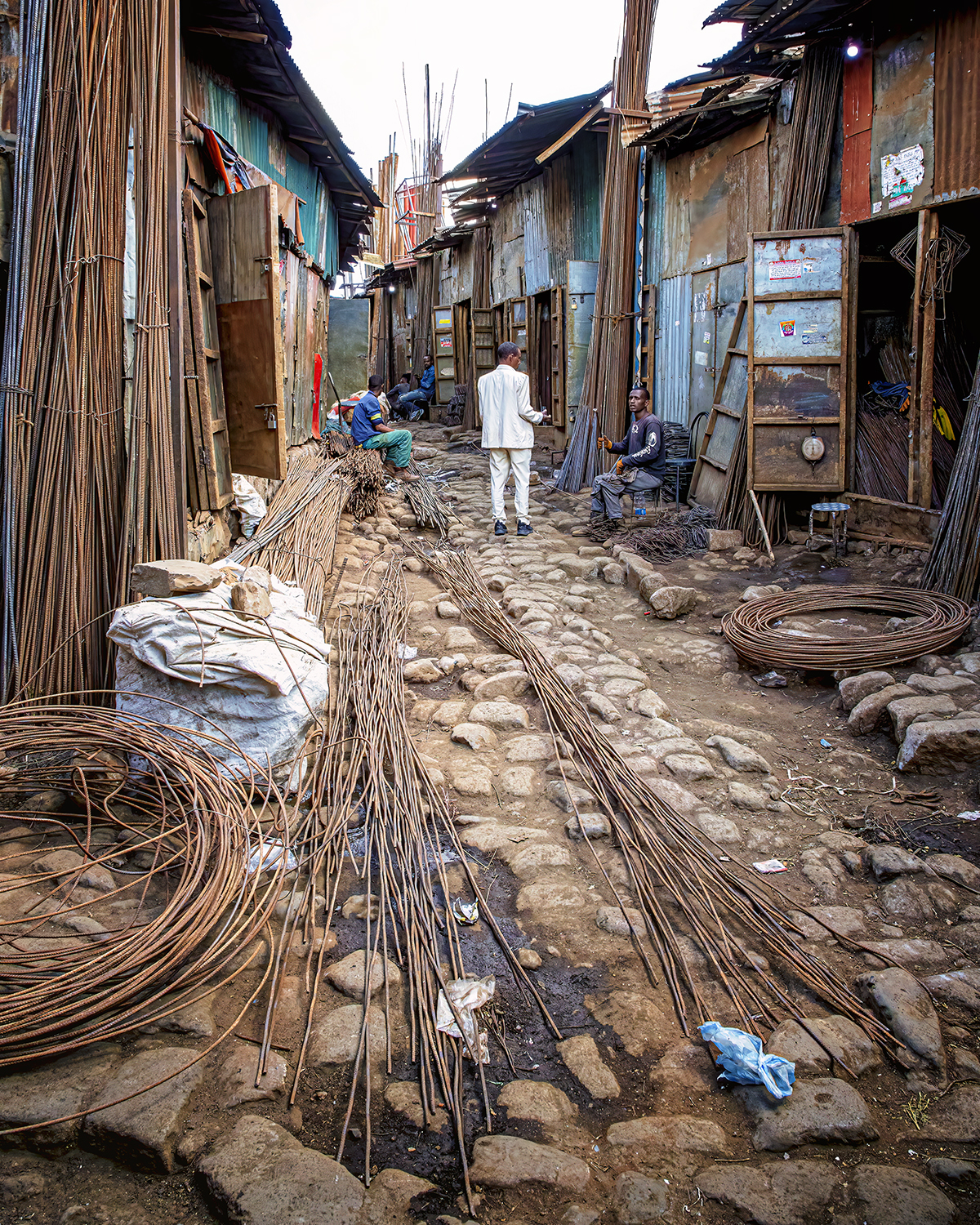
Crowds and chaos were my first impression. The market is enormous, from the streets on the outside to the twisty alleys as we went deeper and deeper. I would have been utterly lost without Yared. He took me to the areas selling spices, metalwork, grain, butter, coffee, recycled bits, and other local goods.

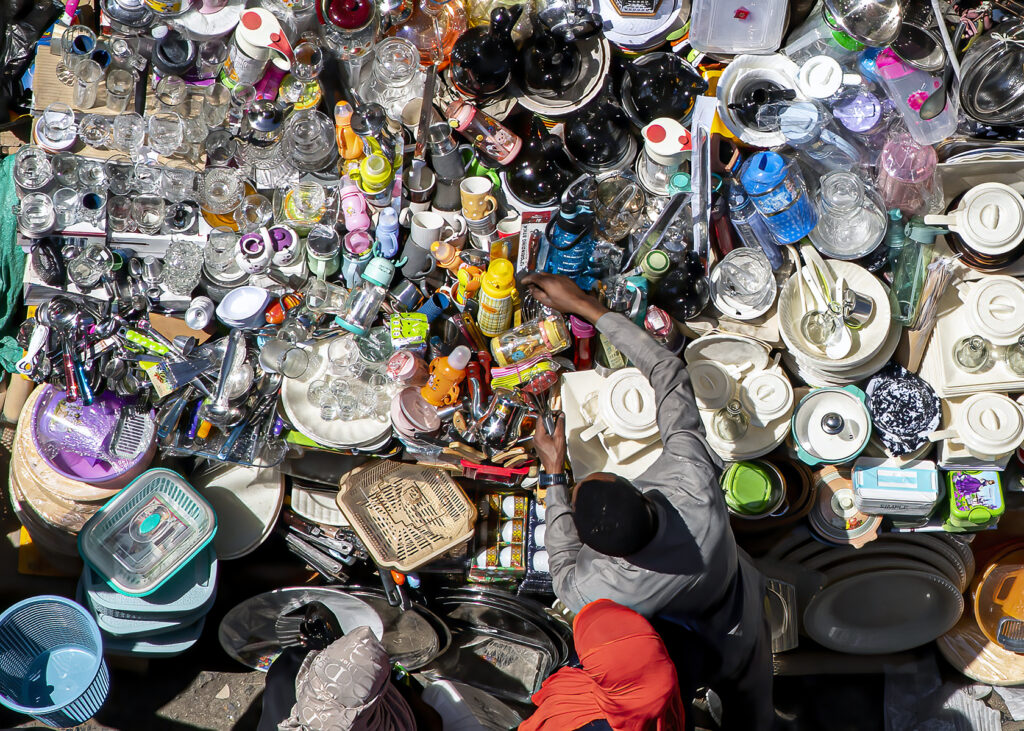
Yared’s favorite thing about the Mercado is the recycling. He said nothing goes to waste.
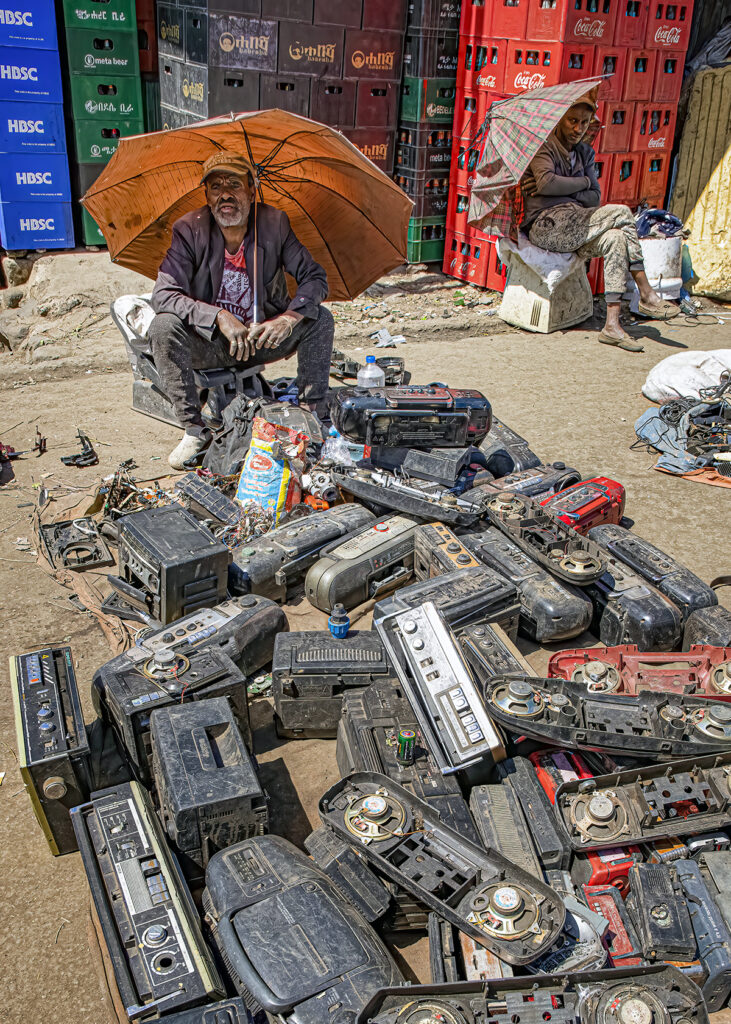
People did double-takes when they saw me; I’m obviously a foreigner here. There were calls of “Welcome!”, “Hello!” and “Ferenji” (pronounced Fur-EHN-gee), meaning foreigner. Almost everyone was friendly, but at one point that first day, friends of Yared’s whispered in his ear, and he told me the “glue sniffers” were watching us. We had to get out of that area. He hustled me away, his head on a swivel. A security guard carrying a big stick saw us and walked alongside us until we were clear of that area.
On the second day, Yared brought another man along with us.
We had many adventures. I tried coffee beans, local beer, and cardamom that Yared picked up off a tarp on the ground. He handed me some green leaves and told me to chew them. I asked what they were, and he said I’d like them. I returned half to him (the locals cracked up) and put the other half in my cheek. It was khat, a stimulant, and Yared chewed it throughout the day. I didn’t feel anything, so I spit it out after a while.
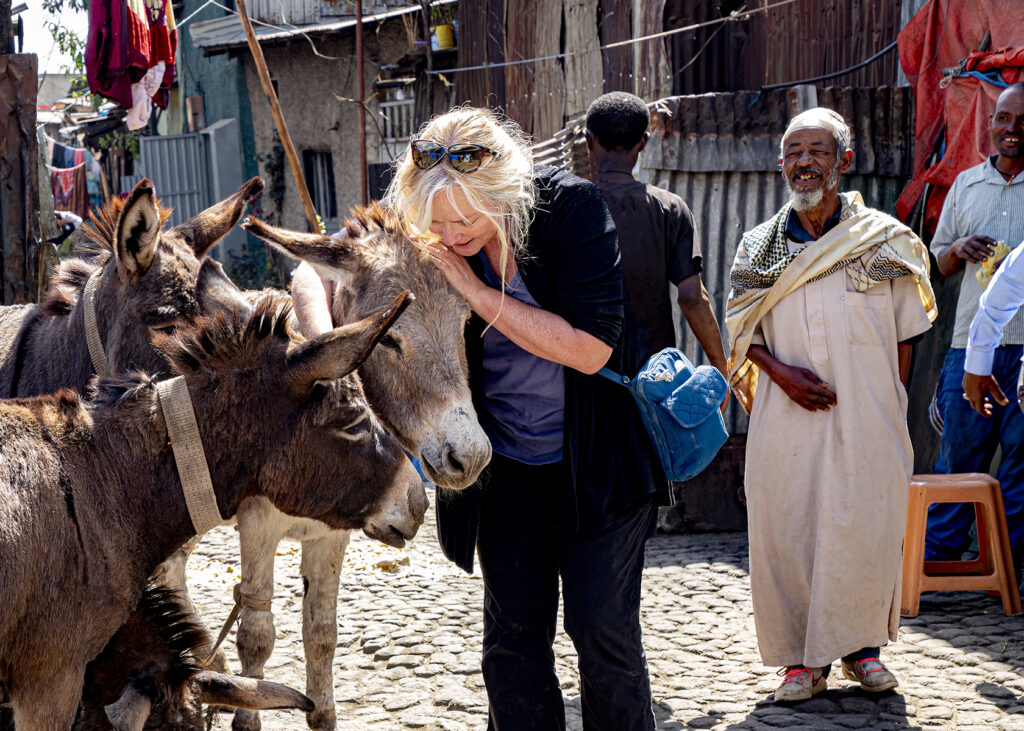
I made the locals laugh again when I petted and hugged some donkeys. I couldn’t help myself.
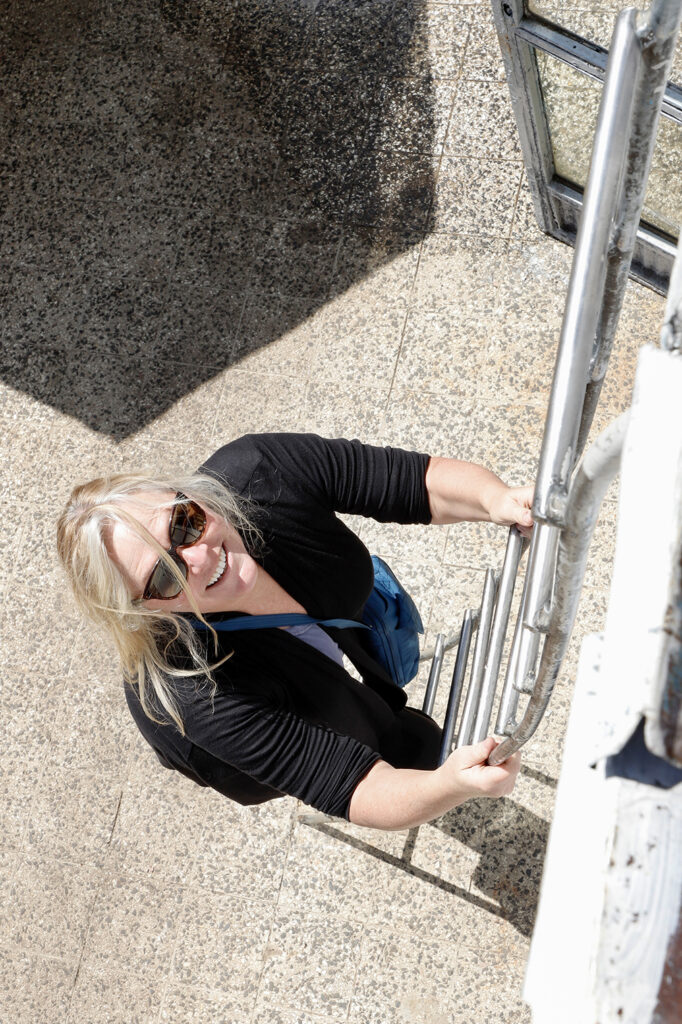
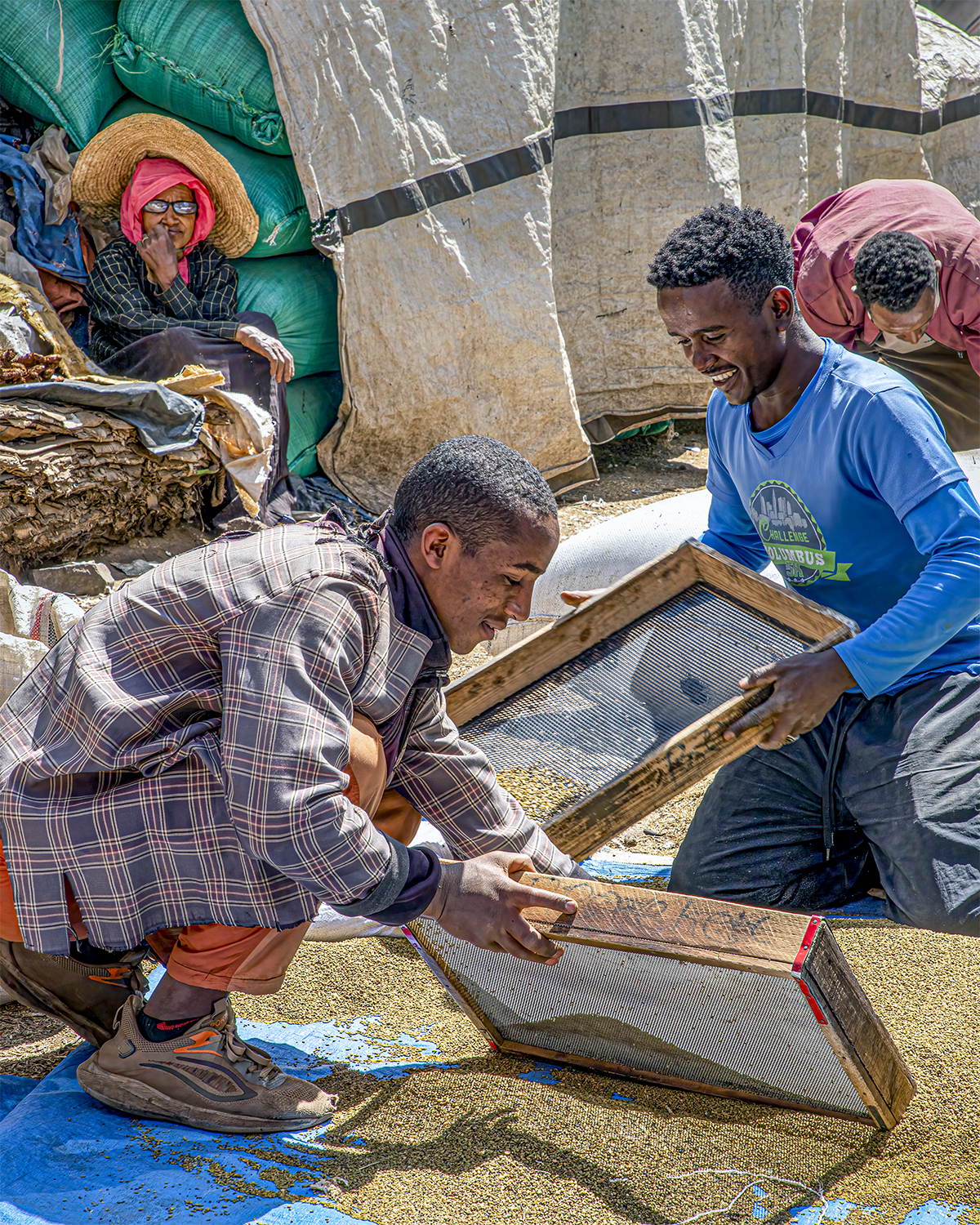
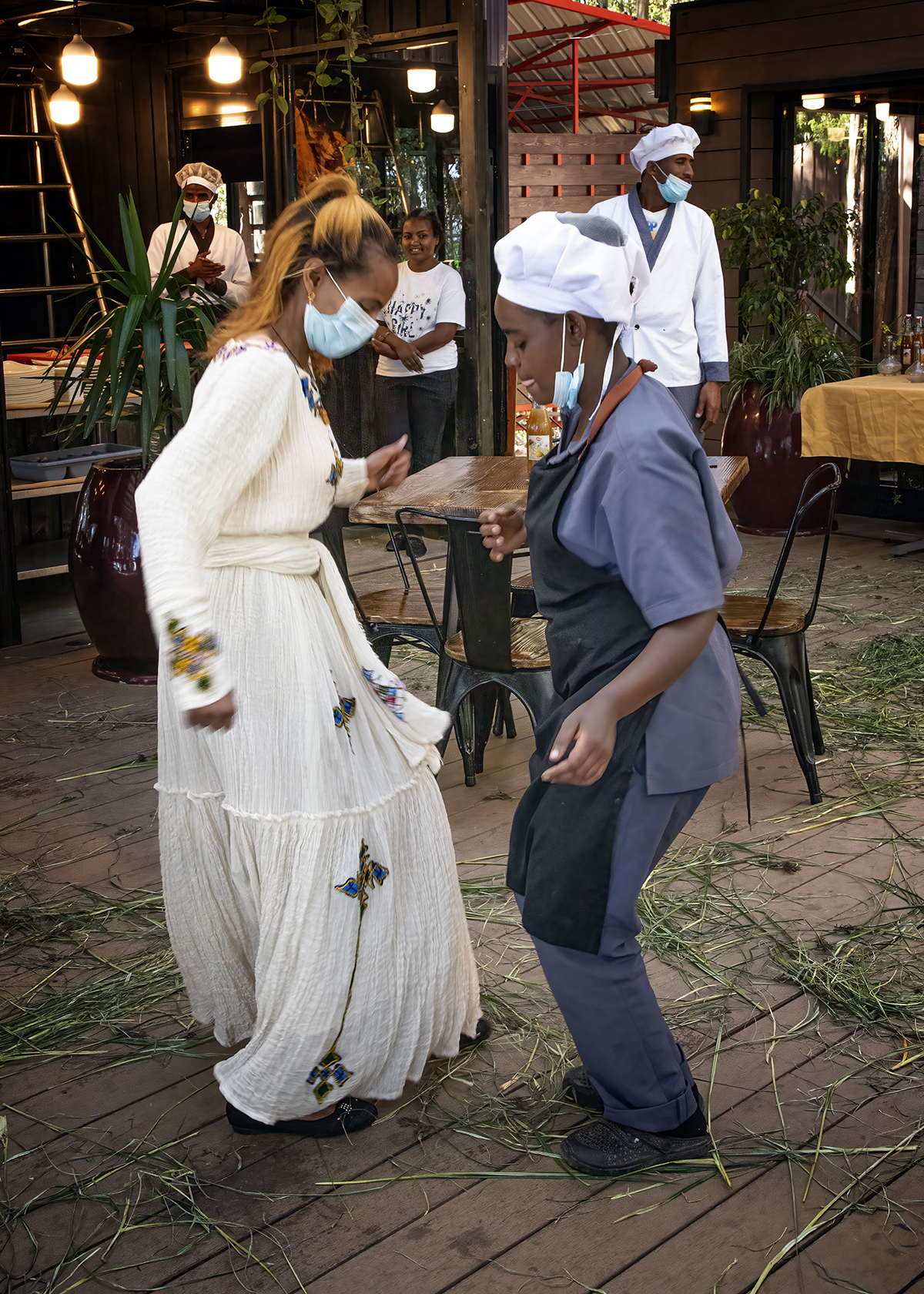
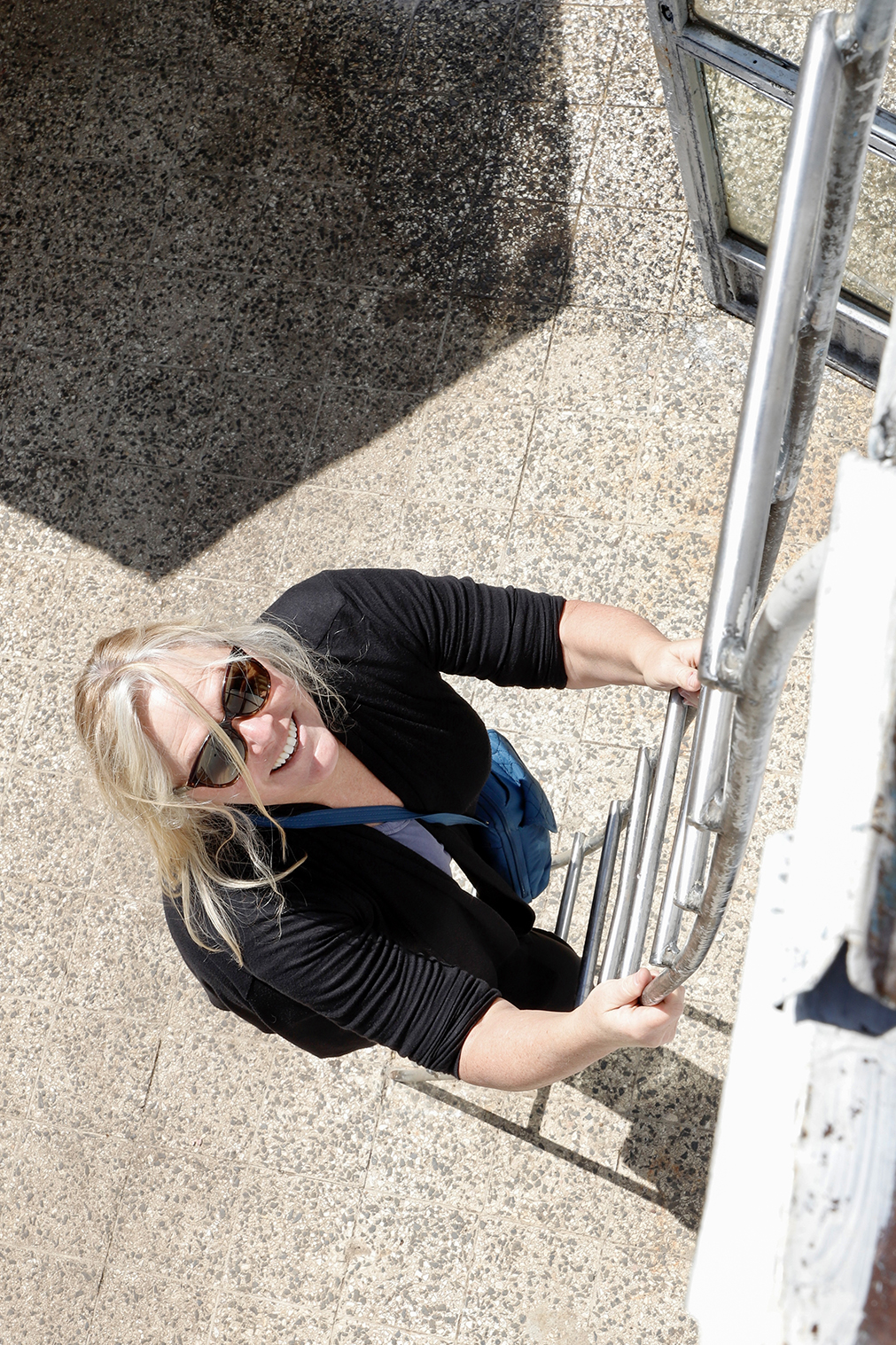
Yared had me do a variety of activities: sift grain (teff) in a small tin warehouse, climb a ladder to a hostel rooftop to view the crowded streets below, sit in an alley and have some coffee, and watch him demonstrate the chicken dance (Ethiopians LOVE dancing!).
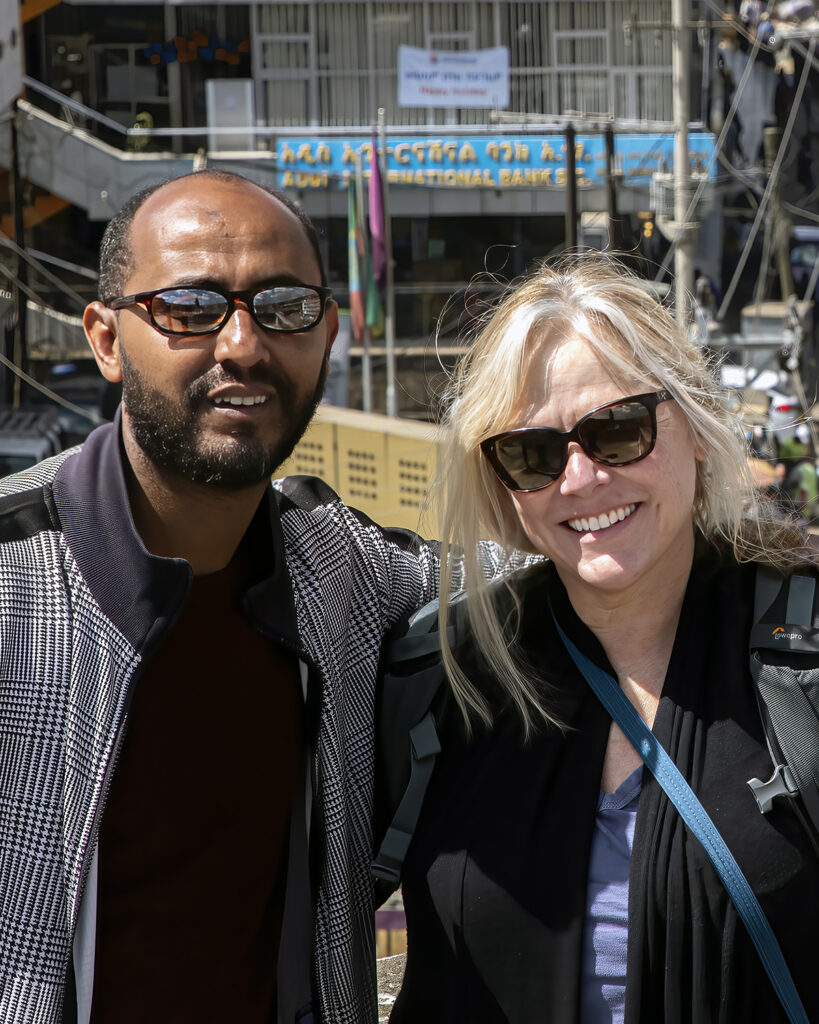

I learned that Ethiopians love America because so many Ethiopians work in the U.S. to help their families.
Ethiopians take great pride in their country’s history of never being colonized. Because of that, their calendar is seven years behind ours. It was 2015 there, 2023 everywhere else.
Yared is from the north. He told me his people are the soul of hospitality. When you visit, they wash your feet, invite you in for food, and light incense. (I noticed that incense was lit anytime we sat down for coffee or a meal). Rushes on the ground in doorways are a sign of welcome.
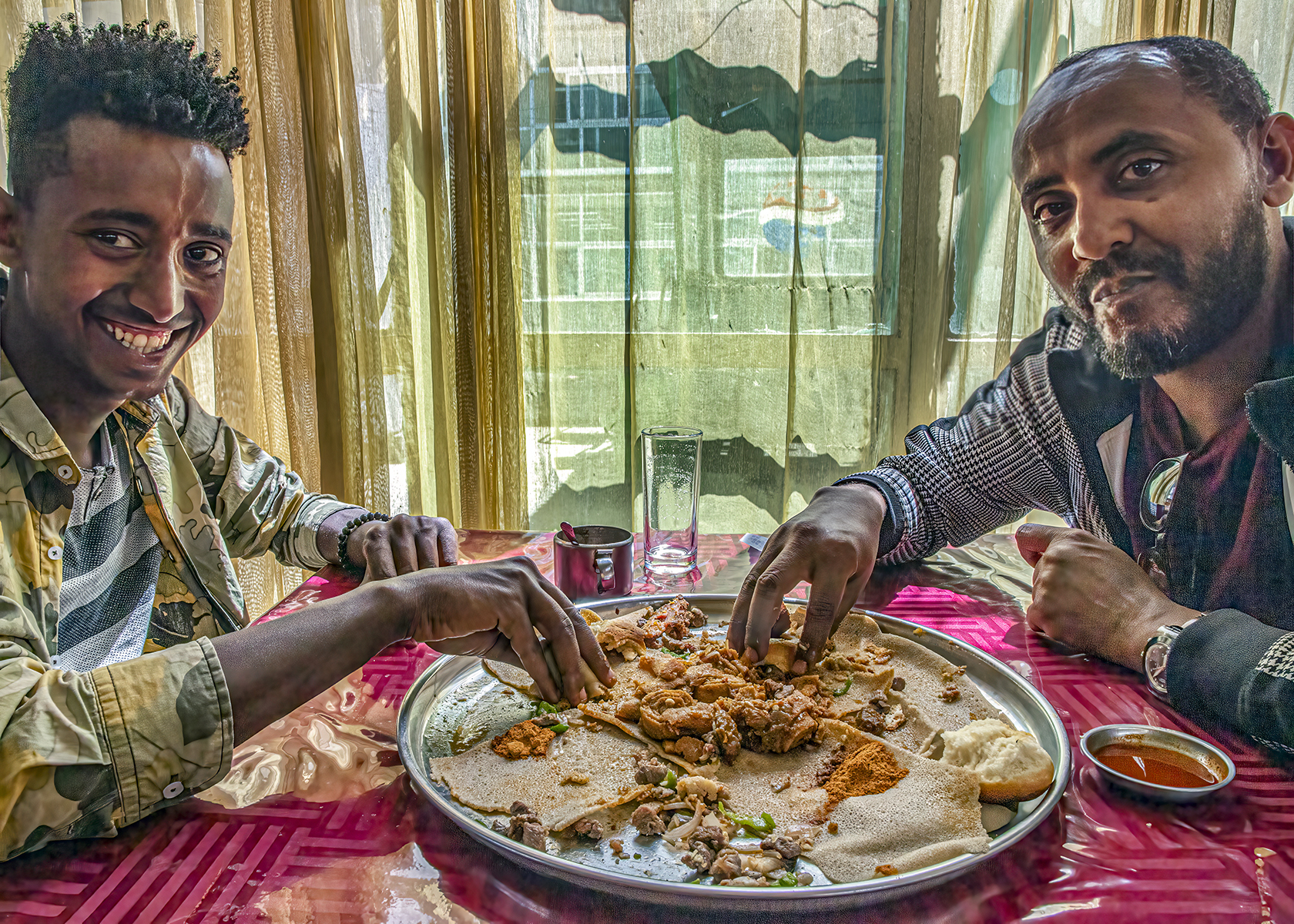
We went to a restaurant for traditional lunch, injera. Yared tore off some of the injera bread and rolled it in meat and spice. He reached towards me, and I extended my hand to take the piece. Nope. He wanted to place the food directly in my mouth. He said the practice is called gursha, and feeding someone by hand is an act of honor. It takes place three times to be complete. I went with it, grateful for his kindness.

He believes most Ethiopians have very soft, kind hearts. He said the country is primarily Orthodox Christian, followed by Muslim and Protestant. Yared told me that Muslims control all the trade, and he hates the small segment that has become all about money, no longer offering warm greetings or kindness.
We visited a small restaurant in someone’s home, where an empty water bottle on a stick outside indicated the type of beer they served. Then Yared dropped me off at an Orthodox museum. The tour guide there, an older man, was so soft-spoken and kind. Whenever I exclaimed over something he showed me or shared, he would smile, bow, and say, “Thank you.” The stories he told me of the Emperor were touching and sweet.

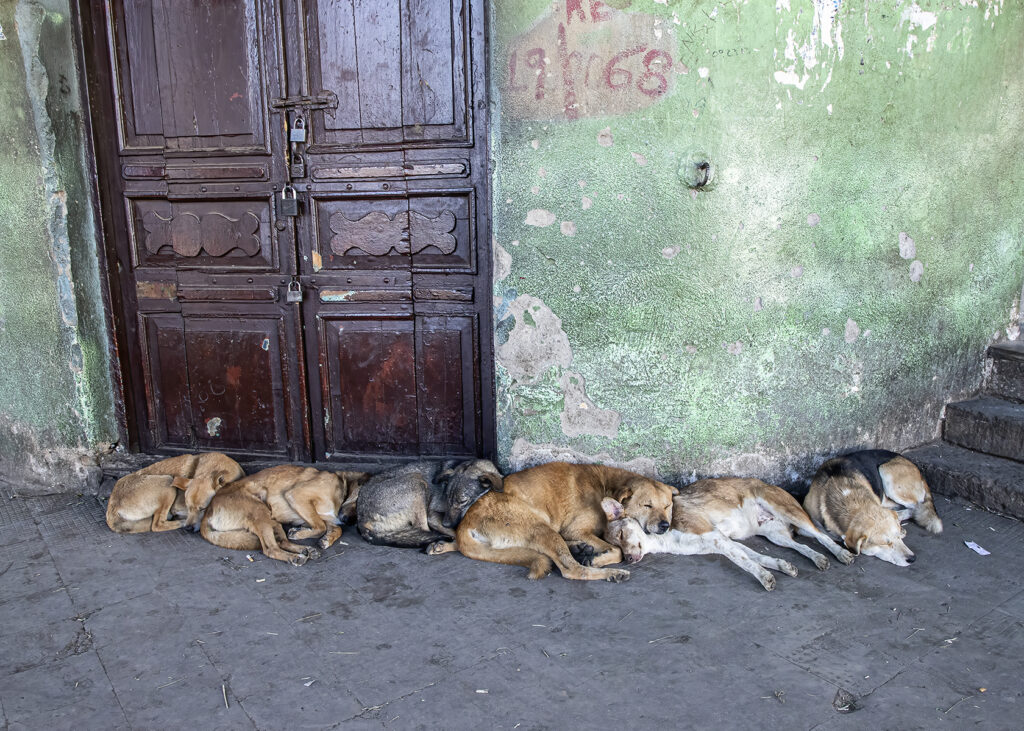
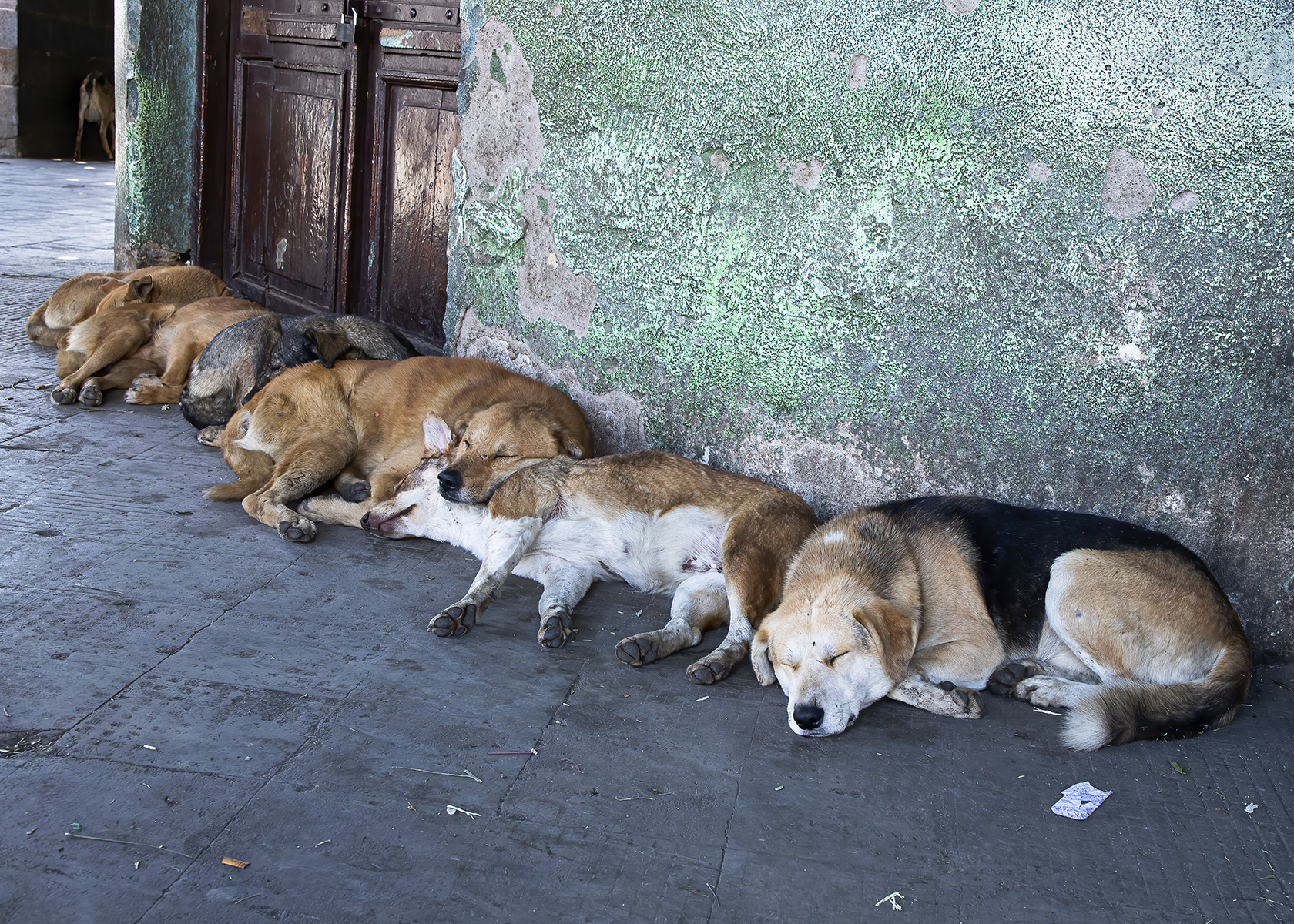
After the tour, Yared and I continued. I learned so much from just walking and talking with him. Ethiopians love raw beef; they love 2008 because Obama was elected (blew their minds!); they love dogs and believe they belong to everyone. Dogs are called wisha, which sounds like woosha, and they tickled me to death.

We talked about family and history, current events, and traditions. I learned he could not get Advil, cough medicine, or antibiotic ointment in Addis. I left him all that I had. Spending time with Yared in Addis epitomized the best of travel for me – the honor of making friends and seeing a whole different world.











MORE STORIES
Scroll for more stories